The Maextro Paradox: Can Huawei’s Halo Save JAC Motors from a Governance Crisis?

JAC Motors is facing a dual crisis of governance and profitability, as a massive corruption purge and mounting losses from its Volkswagen joint venture overshadow its successful premium partnership with Huawei. Despite strong sales of the high-end Maextro brand, the company remains deep in the red due to systemic internal failures and a weakening traditional car business.

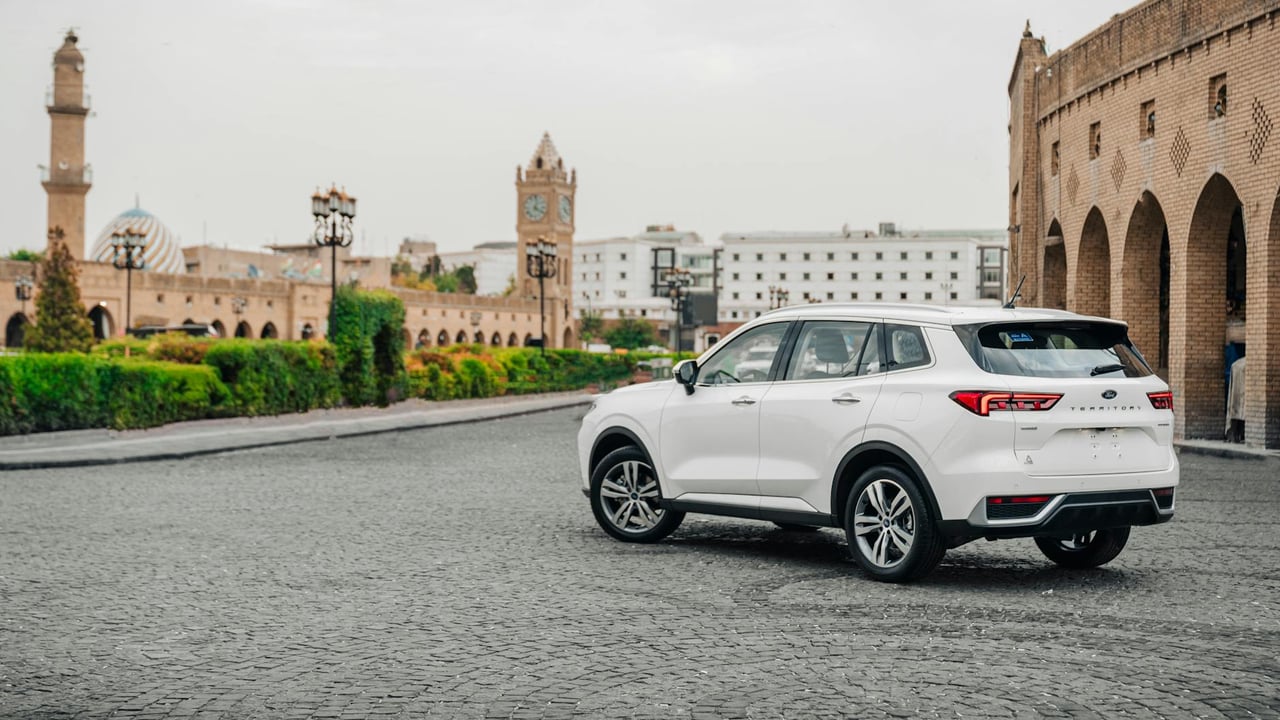
White SUV parked in a historic square in Erbil, Iraq with traditional architecture.

Key Takeaways

  • 1JAC Motors reported a 2025 net loss of 1.7 billion yuan despite a 10.35% increase in total revenue.
  • 2The joint venture with Volkswagen Anhui remains a major financial drain, contributing 4.32 billion yuan in total losses for the year.
  • 3A major corruption scandal has seen several top executives, including the former Chairman, investigated or expelled from the Party within a 12-month period.
  • 4The premium 'Maextro' brand, co-developed with Huawei, has become a market leader in the million-yuan segment but is not yet profitable enough to cover group-wide losses.
  • 5Environmental and quality control issues persist, including recent non-voluntary recalls and historical fines for emissions fraud.

Editor's
Desk

Strategic Analysis

JAC Motors represents a fascinating case study of the 'hollowing out' of legacy Chinese state-owned automakers. By hitching its wagon to Huawei’s Harmony Intelligent Mobility Alliance (HIMA), JAC has successfully moved upmarket where its own branding never could, yet it is simultaneously losing its identity as an independent manufacturer. The catastrophic governance failures and corruption cases suggest that while the company can build high-tech factories for Huawei, its internal management remains stuck in a legacy mindset of opacity and inefficiency. For global investors, the 'Maextro' success is a distraction from the structural reality: JAC is increasingly a manufacturing shell for more innovative partners, burdened by a money-losing joint venture with Volkswagen that has yet to achieve the necessary scale to survive China's brutal EV price war.

China Daily Brief Editorial
Strategic Insight
China Daily Brief

Anhui Jianghuai Automobile Group (JAC Motors) is currently navigating a precarious transition, caught between the prestige of its high-tech partnerships and a legacy of systemic internal failures. While the company’s recent ESG report highlights an aggressive push into the electric vehicle sector, its underlying metrics tell a story of a state-owned enterprise struggling with deep-seated governance issues and a deteriorating bottom line. Despite a double-digit revenue increase in 2025, the firm remains mired in significant losses, raising questions about the sustainability of its current trajectory.

The financial burden is largely fueled by the "growth without profit" phenomenon. JAC reported a net loss of 1.7 billion yuan for 2025, even as revenue climbed to 46.48 billion yuan. This disparity is primarily attributed to the massive capital requirements of its joint venture with Volkswagen, which saw losses exceeding 4.3 billion yuan last year. As the venture scales up production, JAC’s 25% stake has transformed into a major financial anchor rather than a propellant for growth.

Beyond the balance sheet, a crisis of integrity is eroding investor confidence. Within a single year, a purge of top leadership—including former Chairman An Jin and several high-ranking executives—has exposed a culture of corruption and internal control failures. These scandals are compounded by a troubling record of environmental and quality lapses, ranging from a record-breaking emissions fraud fine in 2019 to recent recalls initiated only after regulatory intervention. Such systemic weaknesses suggest that JAC's current ESG rating remains precarious.

The sole bright spot in this turbulent landscape is Maextro (Zunjie), the ultra-luxury brand developed in collaboration with Huawei. The Maextro S800, priced upwards of 700,000 yuan, has defied market trends to become a leader in its segment, delivering over 15,000 units in its debut year. However, the high costs of brand building and infrastructure mean this premium success has yet to offset the losses from JAC’s declining traditional passenger car business, which continues to lose ground to domestic giants like BYD and Geely.

Share Article

Related Articles

📰
No related articles found