Unearthing the Past: How a Teenager’s Discovery Reignites China’s Quest for Historical Accountability

A 16-year-old Chinese student has discovered a significant cache of wartime artifacts, including classified Japanese military letters and original invasion drafts, which he intends to donate to the Nanjing Massacre memorial museum. These findings offer new evidence of civilian casualties during the Zhongtiao Mountain Campaign and reinforce China's historical narrative regarding Japanese aggression.

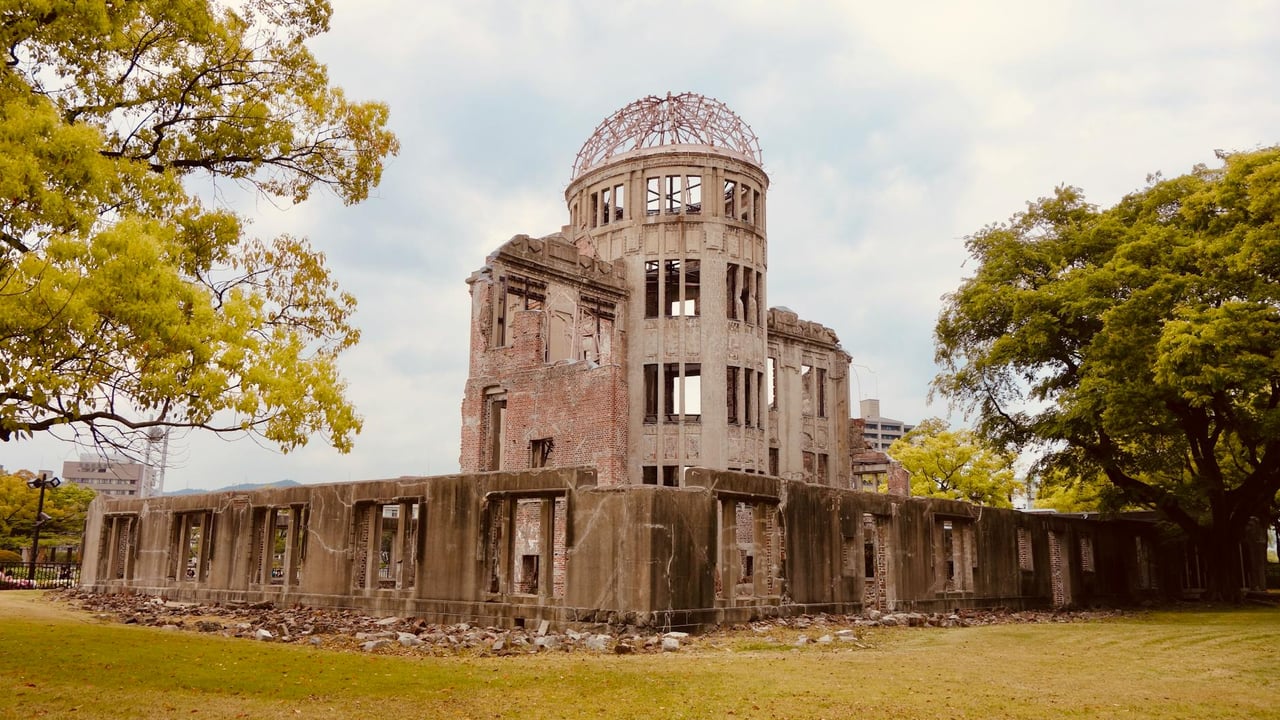
The iconic Hiroshima Genbaku Dome, a UNESCO World Heritage Site, set amidst spring foliage.

Key Takeaways

  • 1A teenager from Jiangsu found new evidence of Japanese war crimes, including secret letters recording 18,000 deaths.
  • 2The findings suggest a high proportion of civilian casualties in the Zhongtiao Mountain Campaign, contrary to some historical military accounts.
  • 3Primary source material from the Ushijima Unit provides a rare look at the invasion of Nanjing from the perspective of the Japanese military.
  • 4The 16-year-old discoverer, Yu Ningpeng, plans to donate all materials to the Memorial Hall of the Victims in Nanjing.
  • 5This discovery highlights the role of patriotic education and grassroots research in preserving China's wartime history.

Editor's
Desk

Strategic Analysis

The discovery of these artifacts by a member of the 'Generation Z' cohort is a testament to the success of the Chinese Communist Party’s patriotic education campaigns, which have deeply ingrained historical grievances into the youth identity. Strategically, such 'new evidence' serves as a recurring diplomatic lever for Beijing, allowing it to exert moral pressure on Tokyo whenever bilateral tensions rise. By framing these finds as 'ironclad proof' (铁证), the state effectively links individual actions—like those of Yu Ningpeng—to a broader national struggle for historical justice. This case also illustrates a shift where private citizens are becoming active participants in the state's narrative-building, turning historical research into a form of modern-day nationalism that transcends textbook learning.

China Daily Brief Editorial
Strategic Insight
China Daily Brief

In the quiet corners of Xuzhou, Jiangsu province, a 16-year-old high school student named Yu Ningpeng has emerged as an unlikely protagonist in China’s ongoing efforts to document the Second Sino-Japanese War. Through various channels, Yu has assembled a collection of wartime artifacts that historians suggest could provide fresh evidence of the Imperial Japanese Army’s conduct during the late 1930s and early 1940s.

Among the most significant finds are classified military letters detailing the Zhongtiao Mountain Campaign in Henan province. The documents record the deaths of 18,000 Chinese individuals—a figure that, when contextualized against the historical backdrop of the offensive, is believed to consist primarily of unarmed civilians rather than combatants. This discrepancy highlights the brutal reality of a campaign often sanitized in historical military reports.

Beyond the correspondence, the collection includes original pictorial drafts from the Ushijima Unit, an infantry division involved in the invasion of Nanjing. These rare primary sources offer a granular, unfiltered look at the occupation through the eyes of the aggressors. For a nation that views the 1937 Nanjing Massacre as a foundational trauma, such artifacts serve as vital instruments of collective memory and national identity.

Yu’s decision to donate these materials to the Memorial Hall of the Victims in Nanjing follows a previous contribution he made in late 2025. His actions underscore a broader trend within China: the decentralization of historical preservation. While the state remains the primary arbiter of history, grassroots efforts by the younger generation are increasingly filling gaps in the historical record, ensuring that the 'century of humiliation' remains central to the public consciousness.

These discoveries arrive at a time when historical narratives continue to frictionally define Sino-Japanese relations. By placing these 'ironclad proofs' in a public museum, Yu and the supporting historical community aim to counter revisionist tendencies abroad. For China, these artifacts are not merely relics of a bygone era; they are the physical manifestations of a moral high ground that dictates much of its modern diplomatic posture in East Asia.

Share Article

Related Articles

📰
No related articles found