

The ambitious Future Combat Air System (FCAS), a cornerstone of European strategic autonomy, is not dead despite persistent rumors of its demise. French President Emmanuel Macron used an informal summit in Cyprus to forcefully reject claims that the project had stalled, asserting that France and Germany remain committed to the next-generation fighter. This diplomatic reassurance comes at a critical juncture where industrial friction between Dassault Aviation and Airbus had threatened to derail the continent’s most expensive defense initiative.
Speaking on the sidelines of the summit, Macron emphasized that his recent discussions with German Chancellor Merz were constructive and forward-looking. Rather than focusing solely on the hardware of a sixth-generation jet, the leaders have reportedly instructed their respective defense ministers to broaden cooperation across a suite of military domains. This shift suggests a move to wrap the fighter jet project into a larger, more resilient framework of bilateral defense integration that can withstand individual industrial disputes.
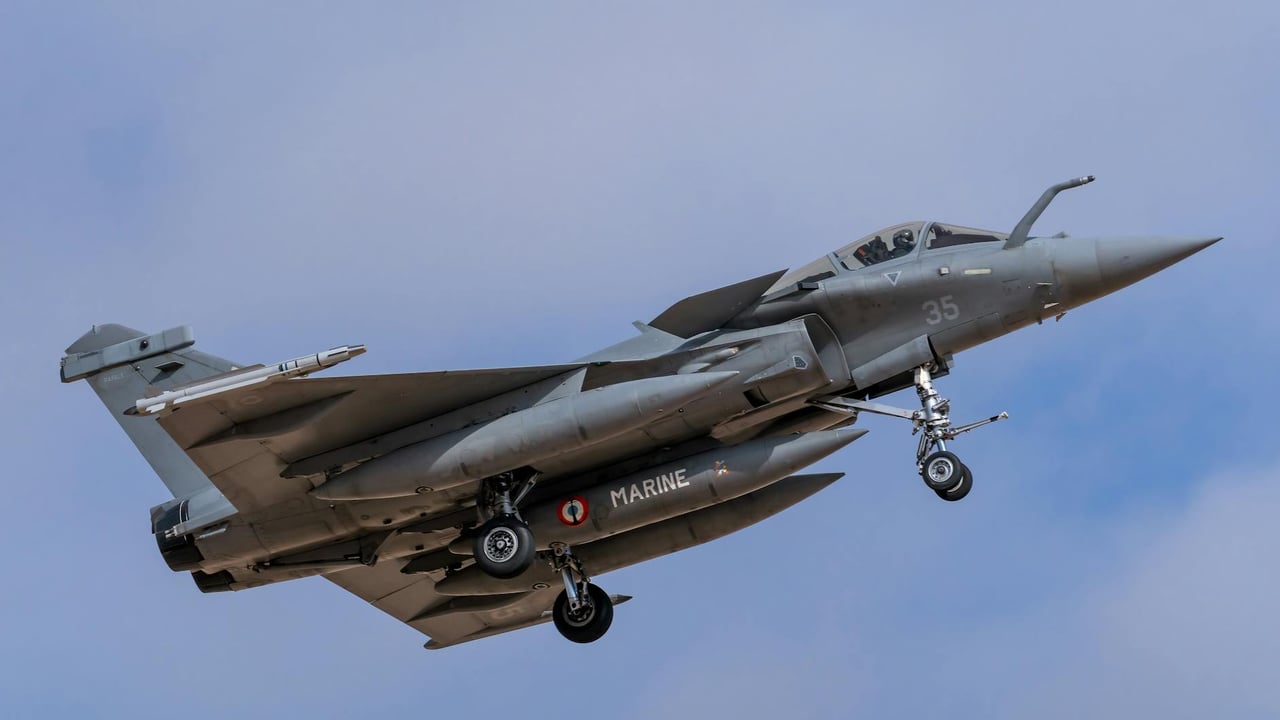
Launched in 2017, the FCAS program represents more than just a replacement for the aging Rafale and Typhoon fleets; it is designed as a 'system of systems' connecting manned aircraft with swarms of drones and advanced satellite networks. With a total budget projected to reach €100 billion, the project is the ultimate test of the Franco-German engine’s ability to drive a unified European defense policy. However, the path to 2040 has been marred by a fierce tug-of-war over intellectual property and manufacturing leadership between France’s Dassault and Germany’s Airbus.
While the political rhetoric remains optimistic, the industrial reality is more complex as mediators have so far failed to resolve the core dispute over project leadership. The stakes extend far beyond the aerospace sector, as a failure of FCAS would likely force European nations back into the arms of American defense contractors, dealing a catastrophic blow to the concept of European 'strategic autonomy.' For now, Macron’s declarations serve as a political lifeline for a project that the Elysee views as indispensable for Europe’s future relevance in a polarized global order.