
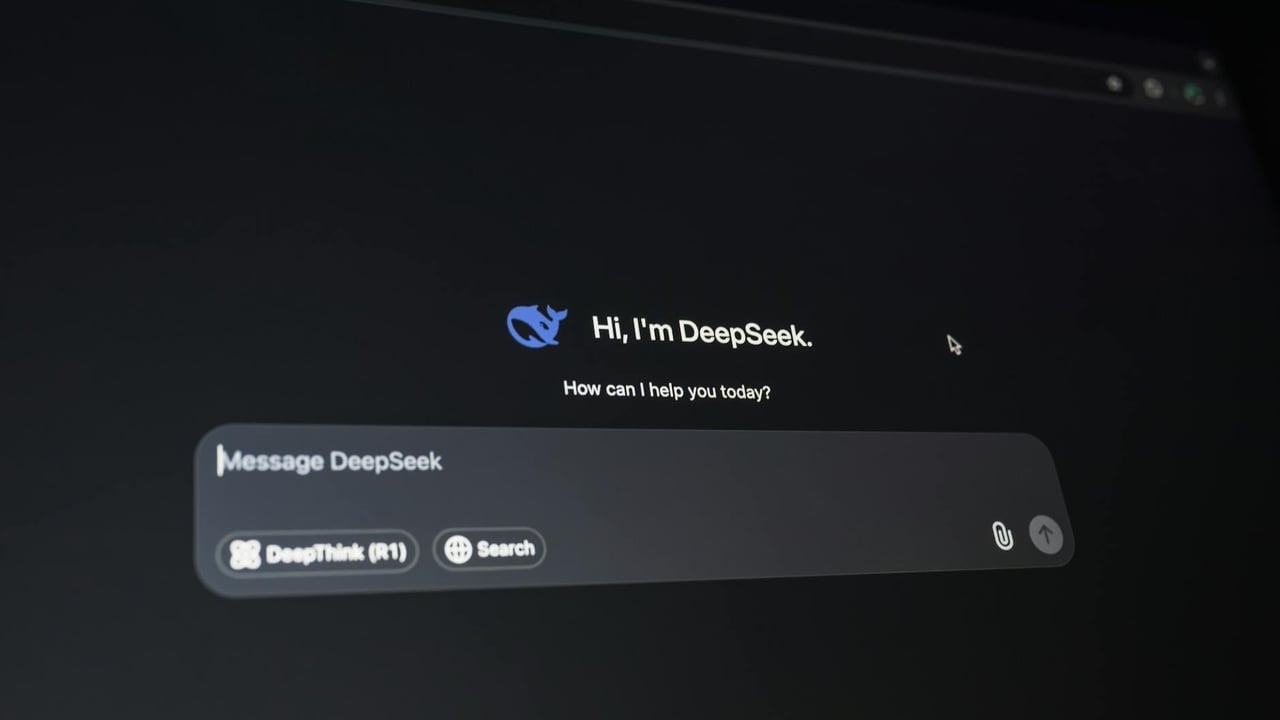

China’s National Supercomputing Infrastructure (NSI) has officially integrated the DeepSeek-V4 large language model into its ecosystem, launching a limited-time free dialogue service on April 26. This initiative allows enterprises, research institutions, and individual developers to access the model’s advanced capabilities through the NSI’s dedicated portal. The move signals a tightening of the relationship between China’s public computing infrastructure and its most promising domestic artificial intelligence developers.
The deployment of DeepSeek-V4 on the national supercomputing network highlights the model's significant technical specifications, most notably its support for a 1-million-token long-context window. This capability puts it in direct competition with global leaders like Google’s Gemini and OpenAI’s GPT series in handling massive datasets and complex, multi-layered conversations. By providing real-time, fluent dialogue services for free, the NSI aims to lower the barrier for domestic innovation and accelerate the adoption of high-end AI tools across various industrial sectors.
Historically, China’s supercomputing power has been concentrated in disparate regional centers, but the "Supercomputing Internet" platform represents a strategic shift toward a unified national computing grid. By treating computing power as a standardized utility, Beijing is attempting to solve the bottleneck issues facing many AI startups that lack the capital to compete for expensive, high-end GPUs. The integration of DeepSeek, a company that has gained international acclaim for its cost-efficient training methods, underscores a push for a distinctively Chinese path toward AI sovereignty.
This rollout also serves as a critical test for the NSI’s scalability and real-world utility for commercial and academic applications. As the geopolitical landscape continues to restrict access to advanced Western hardware, the success of such state-coordinated platforms becomes vital for maintaining the momentum of China's AI industry. The free access period is expected to generate a massive influx of user data and feedback, allowing the DeepSeek team to refine the model further while showcasing the robustness of the national computing infrastructure.