

The 14th China CNC Machine Tool Exhibition (CCMT2026) in Shanghai has signaled a definitive shift in the world’s largest manufacturing ecosystem. What was once a showcase for basic metal-cutting hardware has transformed into an arena for artificial intelligence, digital twins, and the nascent humanoid robotics supply chain. With over 210,000 attendees and record-breaking floor space, the event highlights how 'industrial mother machines' are no longer just tools, but intelligent nodes in a fully digitized factory floor.
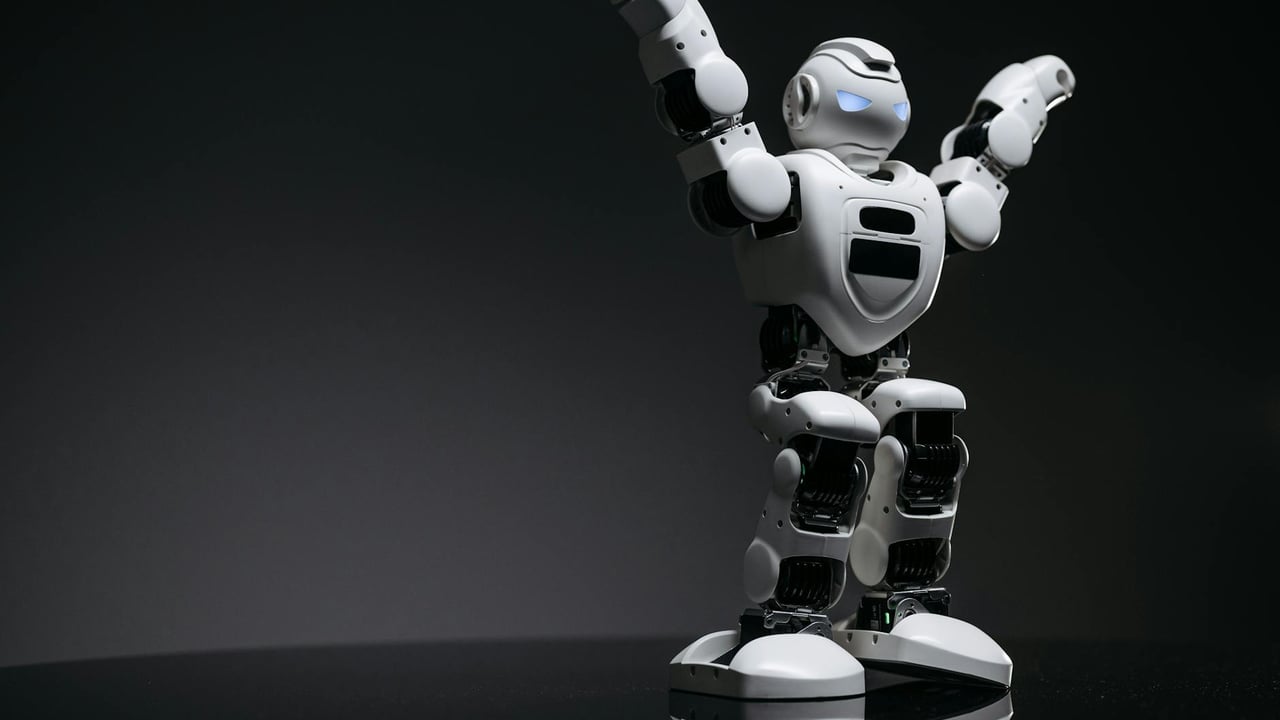
At the heart of the exhibition is the unexpected 'crossover' of humanoid robotics into the industrial machinery sector. Major players like Genesis and Shenyang Machine Tool are now debuting specialized five-axis machining centers tailored specifically for the complex, curved surfaces of robot joints and skeletal components. This transition from general manufacturing to high-precision robotics reflects a strategic pivot toward higher-margin, low-volume, and high-complexity production that defines the next generation of global competition.
Artificial Intelligence has officially graduated from a marketing buzzword to a standard configuration in Chinese-made machinery. Systems like the Huazhong 10 AI-powered numerical control represent a breakthrough in localizing the 'brain' of the machine. By embedding large model capabilities and edge computing, these machines can now handle self-adaptive processing and predictive maintenance, challenging the long-standing dominance of international giants like Siemens and Fanuc in the high-end software layer.
Beyond the technological spectacle, a powerful economic cycle is providing the tailwinds for this industrial upgrade. Domestic machine tools typically follow an eight-to-ten-year replacement cycle, and with the last peak occurring between 2011 and 2014, the industry is currently entering a massive equipment renewal phase. This structural demand is further amplified by state-led initiatives for 'new productive forces,' pushing factories to swap aging legacy hardware for AI-integrated, five-axis systems capable of meeting the rigorous standards of the aerospace and new energy sectors.