
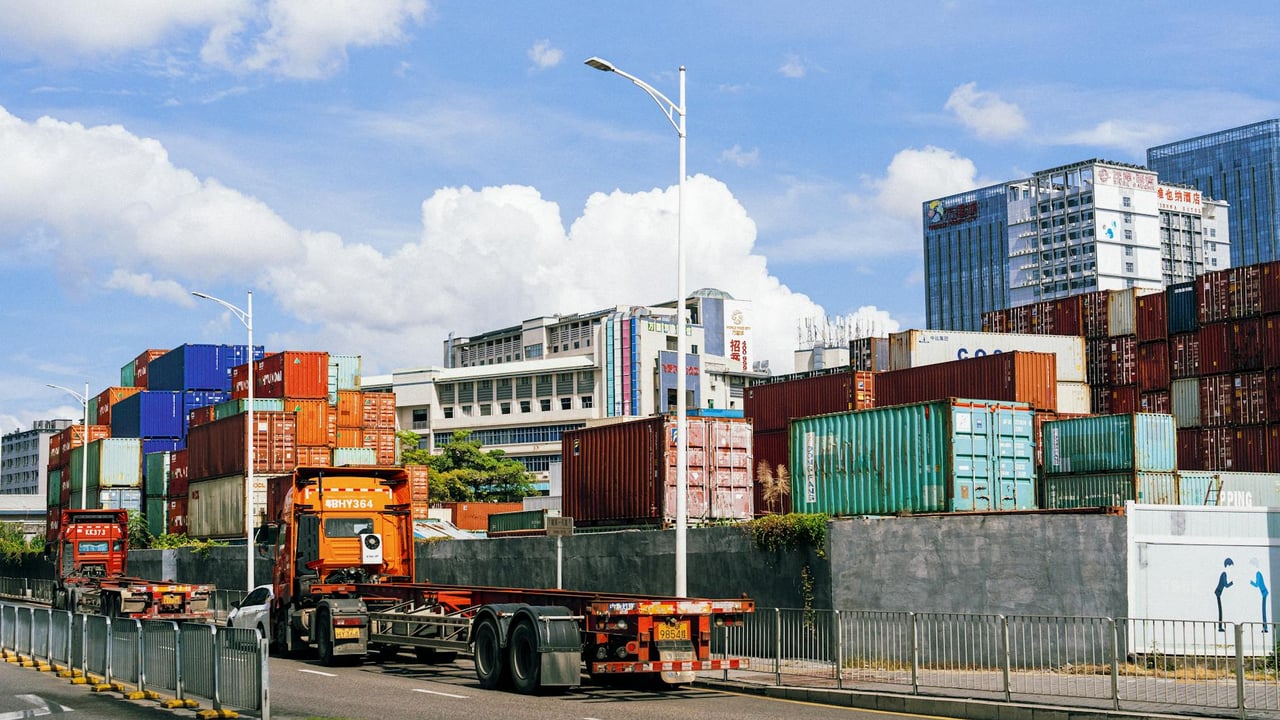

In the industrial heartland of Mannheim, where the Rhine and Neckar rivers converge, a new kind of infrastructure is taking shape. Cainiao, the logistics arm of Alibaba Group, has inaugurated its first specialized battery warehouse, signaling a profound shift in its global strategy. For years, the company was synonymous with 'light and fast' cross-border e-commerce parcels; now, it is venturing into the high-stakes, heavily regulated world of 'Class 9' dangerous goods.
This move is a direct response to the shifting tides of Chinese exports. As the domestic market saturates, China’s 'New Three' industries—electric vehicles, lithium-ion batteries, and solar products—are flooding into Europe. In 2025 alone, Chinese energy storage shipments surged nearly 100%, with Europe accounting for 42% of the total market. Cainiao is no longer just delivering cheap consumer electronics; it is positioning itself as the critical link for the hardware powering Europe’s green energy transition.
The transition from shipping sweaters to lithium batteries is fraught with regulatory complexity. In Germany, a nation famous for its 'Gründlichkeit' (thoroughness), the compliance requirements for hazardous materials are exhaustive. Every drop of wastewater must be tracked, fire suppression systems must cover every square inch of the facility, and transportation follows a strict '1000-point' safety protocol. For a Chinese firm used to the breakneck speed of domestic expansion, the five-month setup period in Mannheim was a lesson in European bureaucratic rigor.
Cainiao is entering a territory long dominated by European titans like DHL and Kuehne+Nagel. These incumbents possess decades of trust and established hazardous-goods networks. However, Cainiao believes it has a unique opening. Chinese manufacturers often find the slow, email-heavy communication of European logistics firms frustrating. By offering a 'Chinese-speed' service model combined with high-tech automation—such as climbing robots and smart inventory systems where locals are slower to innovate—Cainiao aims to bridge the cultural and technical gap.
Operational friction remains, particularly in 'last-mile' delivery. Unlike its end-to-end control in the e-commerce sector, Cainiao must still rely on local giants like DHL and DPD for final transit. These partners often impose strict daily quotas on hazardous materials, leading to bottlenecks that clash with the 'instant-fulfillment' expectations of Chinese clients. Negotiating these limitations while maintaining 100% compliance is the primary challenge for the Mannheim team.
Ultimately, the Mannheim facility is a pilot for a much larger European expansion. By moving up the value chain into industrial logistics, Cainiao is seeking higher margins and deeper integration with global manufacturing giants like CATL and BYD. In the cutthroat world of global logistics, the company is betting that safety and compliance, rather than just low prices, will be the true currency of the future.