
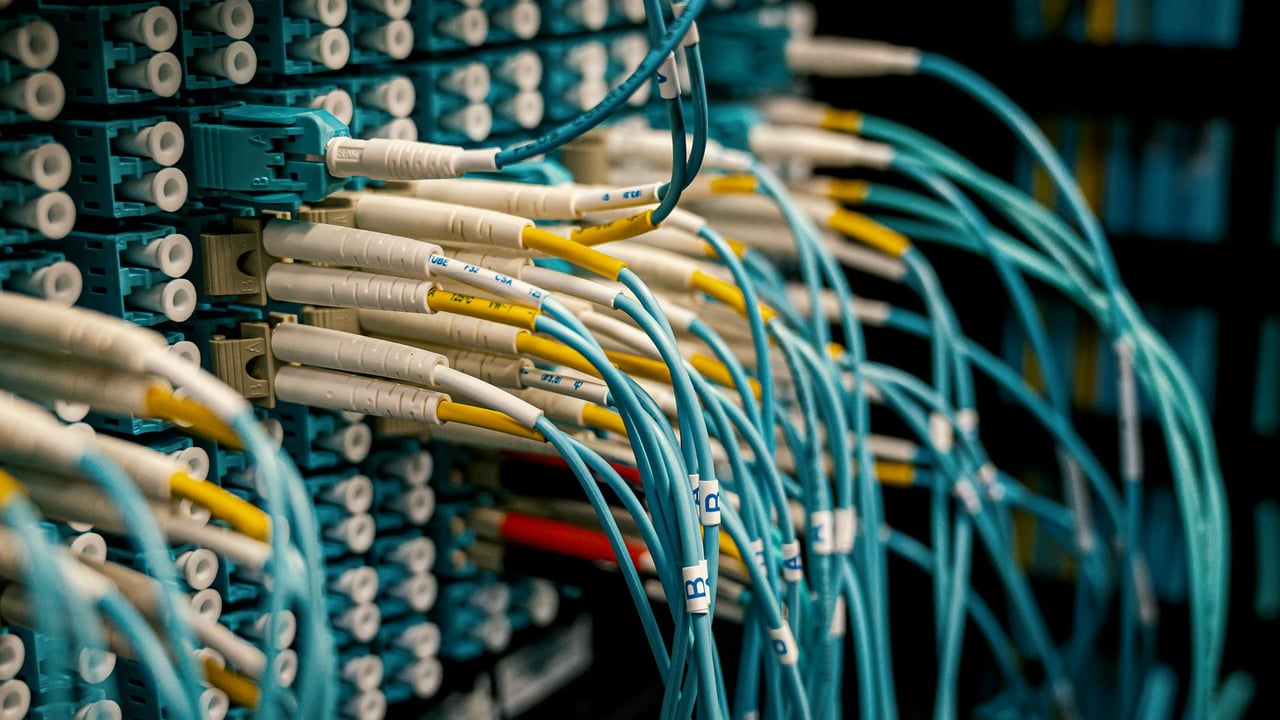

On April 23, 2026, Zhongji Innolight marked a watershed moment in China’s technology sector. The optical module giant’s market capitalization briefly eclipsed the 1 trillion RMB mark, securing its position in an elite club of just eight A-share companies. This surge highlights the company’s pivotal role as a primary supplier of high-speed optical transceivers, the essential plumbing for global artificial intelligence infrastructure.
The rally was ignited by a stellar first-quarter earnings report that defied even the most optimistic market expectations. Revenue skyrocketed 192% year-over-year to 19.496 billion RMB, while net profit surged 262% to 5.735 billion RMB. In a single quarter, the company earned more than it did in the entirety of 2024, a feat fueled by relentless demand for 800G and 1.6T high-end optical products from global cloud service providers.
Behind this corporate success story is the personal ascent of 75-year-old Wang Weixiu. As the founder and actual controller of the firm, Wang has seen his family wealth jump by 456% over the past year to 105 billion RMB. This meteoric rise has cemented his status as the wealthiest individual in Yantai and a key figure in the so-called 'Yi-Zhong-Tian' trio, a nickname for the three dominant Chinese firms controlling the global optical module market.
Despite the glittering financial performance, the company faces mounting operational pressures that suggest a fragile supply-demand equilibrium. Prepayments to suppliers exploded tenfold in the first quarter, reaching nearly 1.5 billion RMB as the firm scrambles to lock down scarce raw materials like indium phosphide substrates and high-end laser chips. This reflects a broader industry bottleneck where capacity expansion for core components cannot keep pace with the frantic build-out of AI clusters.
Furthermore, Zhongji Innolight’s strategic profile remains deeply exposed to geopolitical and concentration risks. Over 90% of its revenue originates from overseas markets, primarily North America, while its top five customers account for over 75% of total sales. This heavy reliance on Western hyperscalers makes the firm a prime target for potential trade barriers or tariff escalations in the ongoing tech rivalry between Washington and Beijing.
Skeptics also point to a fundamental technical vulnerability: the company’s lack of proprietary core chip capabilities. Critics argue that while the firm dominates assembly and packaging, it remains a 'high-end laborer' dependent on overseas semiconductor IP. If the AI investment cycle reaches a plateau or if diversified giants like Luxshare Precision successfully pivot into the space, the firm’s current premium valuation could face a severe correction.