
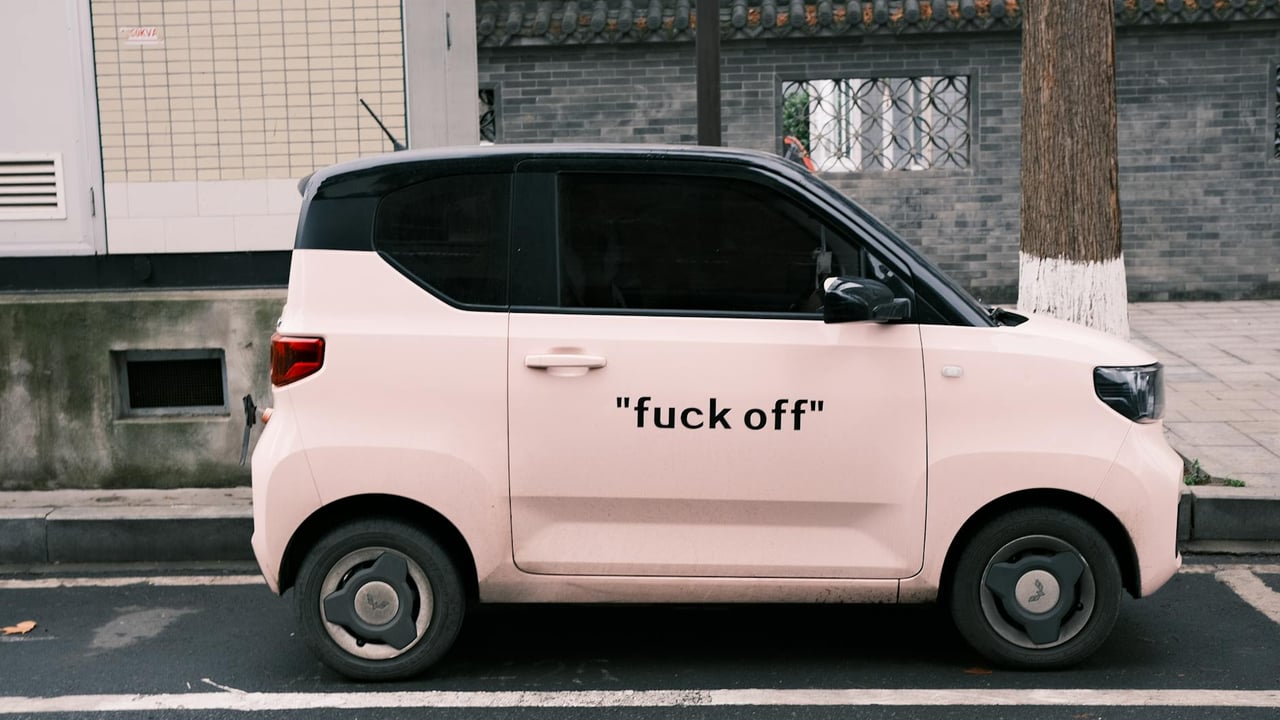

In the race to dominate the global electric vehicle (EV) market, China is increasingly looking inward to solidify its industrial foundations. The recent inauguration of the Guangxi New Energy Vehicle High-end Aluminum Alloy Component Innovation Consortium in Liuzhou marks a significant step in this consolidation. Led by SAIC-GM-Wuling (SGMW), the joint venture behind some of China’s best-selling micro-EVs, the initiative aims to transform the region into a self-sufficient powerhouse for advanced automotive materials.
The consortium has already achieved tangible results with the establishment of the Pan-Aluminum advanced manufacturing base in Laibin. Mass production is currently underway for critical parts such as steering knuckles and gear housings, which are essential to the structural integrity of modern EVs. This move toward vertical integration allows for tighter control over quality and cost, a vital advantage as the domestic Chinese market faces an intensifying and protracted price war.
Looking toward 2030, the consortium’s roadmap is remarkably aggressive, targeting the localization of eight specific categories of high-end components. The ultimate objective is to achieve a 100% local supply rate for all critical materials used in these components. This strategy not only bolsters regional economic growth in Southern China but also aligns with Beijing's national directive to insulate high-tech sectors from global logistics shocks and geopolitical volatility.
The specific focus on aluminum alloys highlights a critical engineering trend in the transition to green energy. As manufacturers strive to increase driving range, reducing vehicle mass through "lightweighting" has become a paramount challenge. High-end aluminum offers the strength required for safety while significantly reducing weight compared to traditional steel, making it the material of choice for the next generation of energy-efficient transport.