Wings over the East: The PLA Navy’s Delicate Balance of Public Diplomacy and Combat Readiness

A naval aviation unit under the PLA's Eastern Theater Command held an open day that combined public hardware displays with live-action combat training. The event illustrates China's strategic effort to integrate national defense education with visible demonstrations of high-readiness military capabilities.

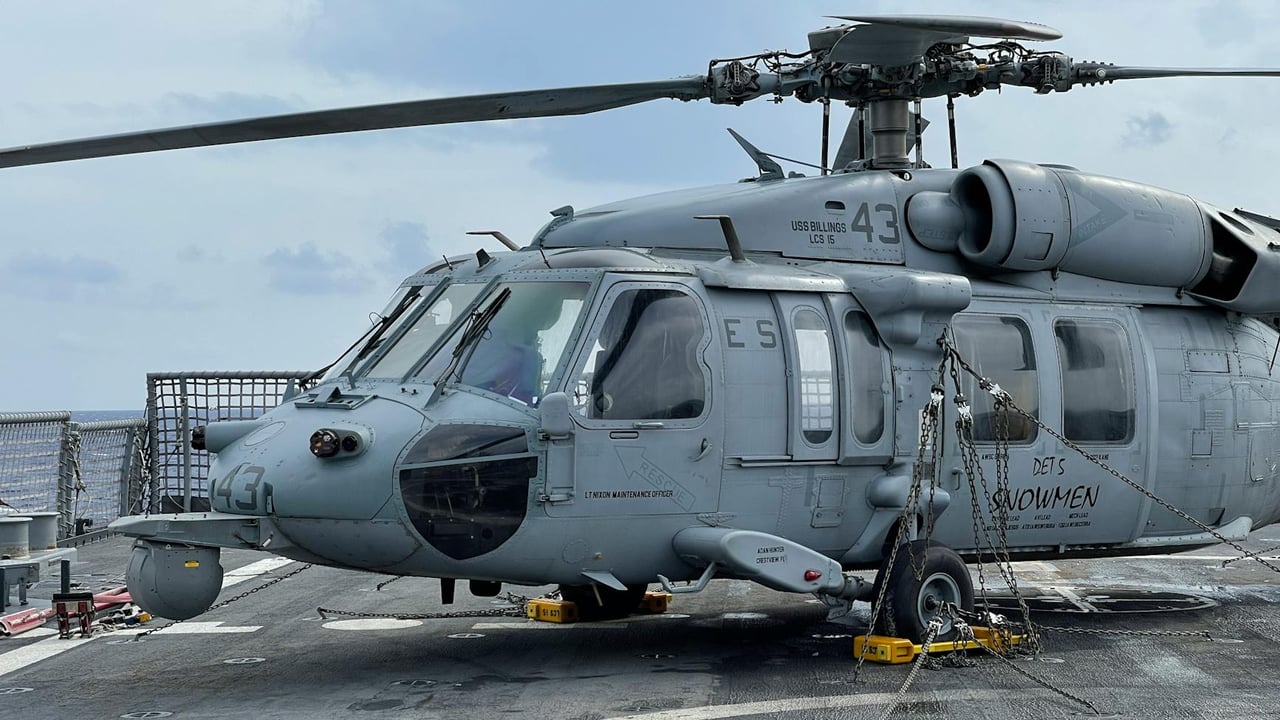
Close-up of Sikorsky SH-60 Seahawk helicopter secured on a naval ship deck.

Key Takeaways

  • 1The Eastern Theater Command Naval Aviation unit hosted a rare 'open day' for local civilians, featuring static aircraft displays and tactical demonstrations.
  • 2Active-duty training, including anti-submarine warfare and flight operations, continued simultaneously with the public event.
  • 3The initiative reflects China's 'National Defense Education' strategy aimed at strengthening civilian support for military modernization.
  • 4Operational commanders emphasized that the event was structured to ensure zero impact on primary combat readiness missions.

Editor's
Desk

Strategic Analysis

The decision to hold a public event at an Eastern Theater Command (ETC) facility is a calculated move in psychological signaling. As the command primarily responsible for operations concerning Taiwan and the East China Sea, the ETC usually maintains a high level of operational security. By allowing the public to witness active ASW and flight drills, the PLA is projecting a sense of 'normalized readiness'—the idea that high-intensity combat training is now a routine, sustainable background to Chinese civil life. This transparency serves a dual purpose: it builds domestic resilience and 'war-mindedness' among the populace while signaling to regional observers that the PLA's training cycle is now robust enough to accommodate public scrutiny without losing its edge.

China Daily Brief Editorial
Strategic Insight
China Daily Brief

In the shadow of the Eastern Theater Command’s strategic reach, a naval aviation unit recently opened its gates to the public, offering a rare glimpse into the heart of China’s maritime power. The event featured a curated display of multiple naval aircraft and specialized drills, including firearm handling and combat casualty care, designed to foster a sense of national pride among the local populace. This exercise in public diplomacy is part of a broader push by the People’s Liberation Army (PLA) to normalize its presence and cultivate a domestic 'defense culture.'

While children marveled at static displays on one side of the tarmac, the other side remained a hive of high-intensity activity. In a display of operational transparency and confidence, the unit continued its live-flight training schedules, including anti-submarine warfare (ASW) maneuvers and rapid takeoff and landing drills. The roar of departing 'War Hawks' served as a visceral reminder that even during community engagement, the command responsible for the Taiwan Strait remains on high alert.

Commanding officers noted that the event required a sophisticated logistical choreography to ensure that public outreach did not degrade the unit's core mission. By optimizing personnel allocation and staggered maintenance schedules, the unit demonstrated a 'dual-track' capability. This approach highlights the military's shift toward maintaining a constant state of readiness, even when engaging in the soft-power tactics of civil-military integration.

The juxtaposition of curious civilians and active-duty combat drills underscores the CCP’s emphasis on 'National Defense Education.' By bringing the public to the front lines, the PLA seeks to bridge the gap between its modernization efforts and the civilian world. It reinforces the narrative of a 'People's Army' that is both approachable to its citizens and formidable to its adversaries.

Share Article

Related Articles

📰
No related articles found