
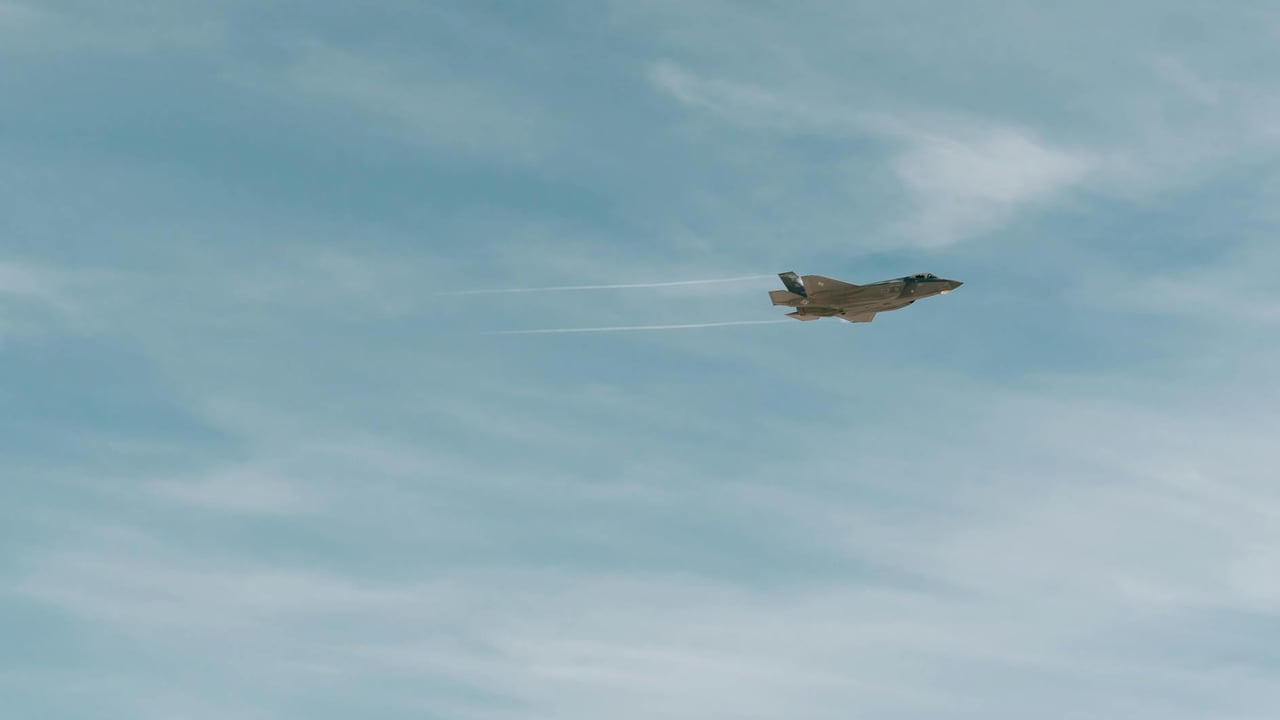

Recent reports from the Islamabad Times have sent ripples through the global defense community, suggesting a massive $12 billion arms deal involving forty J-35A stealth fighters, six KJ-500 early warning aircraft, and several batteries of the highly advanced HQ-19 anti-ballistic missile system. While the scale of the acquisition is staggering, the true narrative lies in the evolving security triad between Beijing, Islamabad, and Riyadh, signaling a fundamental shift in how Middle Eastern security is structured.
Simultaneous to these rumors, approximately 13,000 Pakistani troops equipped with Chinese-manufactured hardware have reportedly moved into Saudi Arabia’s interior. This deployment follows a Mutual Strategic Defense Agreement signed between Riyadh and Islamabad, marking a transition from theoretical cooperation to tangible operational presence. The arrangement appears to follow a pragmatic blueprint: Saudi capital finances the hardware, Pakistan provides the battle-hardened personnel, and China supplies the sophisticated technological backbone.
Financial realities, however, suggest that the rumored $12 billion figure should be viewed with significant skepticism. Pakistan’s entire defense budget for the 2025-26 fiscal year is roughly $9 billion, an amount already strained by domestic economic pressures and regional tensions with India. Such an acquisition would be impossible without a total financial underwriting by the Saudi crown, reinforcing the perception that Riyadh is now the primary venture capitalist for regional defense alternatives.
From a technical perspective, the inclusion of the HQ-19 in the rumored package raises serious questions about export feasibility. The HQ-19 is China’s premier strategic interceptor, designed to counter ballistic missiles and orbital threats, and has never been cleared for international sale. Furthermore, the J-35A is still ramping up production for the People’s Liberation Army Air Force, making the immediate delivery of forty units to a foreign partner a logistical improbability in the near term.
Despite these technical inconsistencies, the underlying trend remains undeniable: the Middle East’s traditional security architecture is fraying. For decades, the United States was the sole guarantor of regional stability, but Riyadh is increasingly unwilling to keep its security interests in a single basket. By integrating Pakistani manpower and Chinese technology, Saudi Arabia is experimenting with a diversified security net that operates outside of the traditional Washington-led framework.
This emerging 'Middle Easterners defending Middle Eastern land' model reflects a broader move toward regional autonomy. While the U.S. maintains a massive footprint in the Gulf and the Saudi F-15 fleet remains dependent on American logistics, the cracks in the old order are widening. The rumored deal may be exaggerated for sensationalist effect, but the movement toward a Sino-centric military supply chain in the Gulf is a reality that Western planners can no longer ignore.