
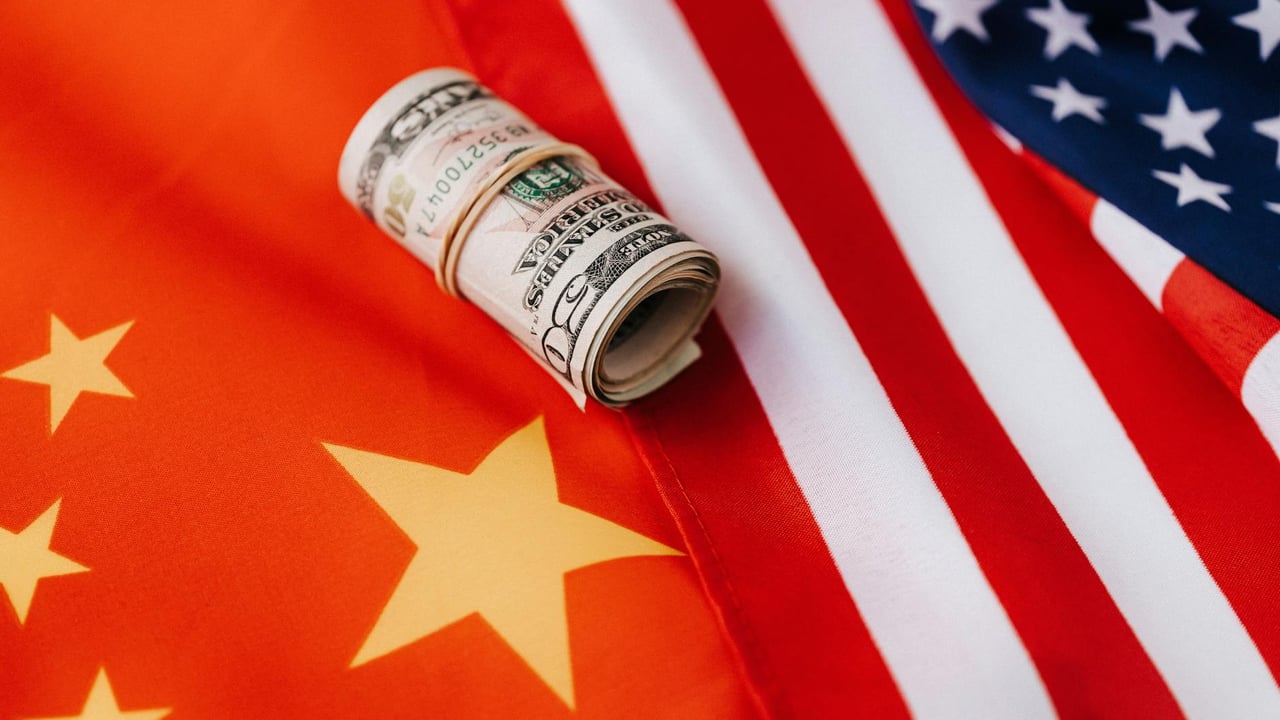

Despite a backdrop of intensifying military maneuvers in the South China Sea and heated rhetoric over the Taiwan Strait, a significant diplomatic shift is unfolding. Both Tokyo and Washington are signaling an urgent desire for high-level re-engagement with Beijing, suggesting that economic survival is beginning to outweigh ideological posturing. This pivot comes as the structural dependencies of the global supply chain collide with the domestic political realities facing leaders in both the United States and Japan.
In Tokyo, the administration is reportedly dispatching Minister for Economic Revitalization Ryosei Akazawa to the upcoming APEC Trade Ministers' meeting in Jiangsu. This move marks a delicate attempt to thaw relations that have been frozen since Japanese leadership adopted a more aggressive stance on the 'Taiwan contingency.' The impetus is clear: Japan’s critical semiconductor and automotive sectors are reeling from China’s upgraded export controls on essential materials, proving that military expansionism cannot easily coexist with economic decoupling.
Simultaneously, the United States is preparing for a high-stakes mission as Senator Steve Daines leads a congressional delegation to Beijing and Shanghai. This visit is widely viewed as a precursor to a planned trip by Donald Trump in mid-May, aimed at securing an economic 'off-ramp' for a domestic crisis. With U.S. soybean inventories exceeding 30 million tons and prices hitting historic lows, the American agricultural heartland is looking to China as a vital buyer of last resort.
The political stakes for Trump are exceptionally high, with recent polling indicating a 58% dissatisfaction rate among voters primarily driven by persistent inflation and a ballooning $39 trillion national debt. Consequently, Trump’s recent rhetoric has taken a surprising turn toward de-escalation. By publicly dismissing criticisms of Chinese logistics to Iran—pointing out that the U.S. similarly moves goods globally—Trump is signaling a willingness to shield Beijing from diplomatic 'mud-slinging' in exchange for tangible trade concessions.
Beijing, however, remains cautious and continues to demand a high price for this re-engagement. For Japan, the price of admission is a formal retraction of provocative statements regarding Taiwan and a cooling of its military expansionist rhetoric. For the United States, China is demanding 'mutual benefit' in the form of lowered tariffs and a relaxation of tech blockades, signaling that it will no longer provide a safety net for the American economy without significant strategic reciprocity.
The upcoming weeks will serve as a critical window for the future of trilateral relations in the Indo-Pacific. If Akazawa’s visit is permitted and Trump’s delegation secures an audience, it will signal a temporary return to 'business first' diplomacy. Yet, beneath the surface of these 'pleas for cooperation' lies a hard-nosed reality: neither Japan nor the U.S. is acting out of goodwill, but rather out of a desperate need to plug domestic economic holes that only China can fill.