

The fragile hope for a diplomatic breakthrough in the two-month-old conflict between the United States and Iran has all but evaporated following President Trump’s abrupt cancellation of a high-level diplomatic mission to Pakistan. The decision to recall special envoy Steven Witkoff and senior advisor Jared Kushner just hours before their scheduled arrival in Islamabad signals a significant hardening of the American stance. Trump characterized the trip as a waste of time and resources, citing what he described as internal 'chaos' within the Iranian leadership and a refusal to engage in meaningful dialogue.
Tehran, however, views the situation through a lens of deep-seated distrust and strategic defiance. Iranian President Masoud Pezeshkian has dismissed the American outreach as inherently contradictory, arguing that Washington cannot expect productive diplomacy while simultaneously intensifying its military and economic 'maximum pressure' campaign. This sentiment is underscored by the memory of recent indirect nuclear talks which, from Tehran’s perspective, resulted not in sanctions relief but in coordinated US-Israeli military strikes against Iranian interests.
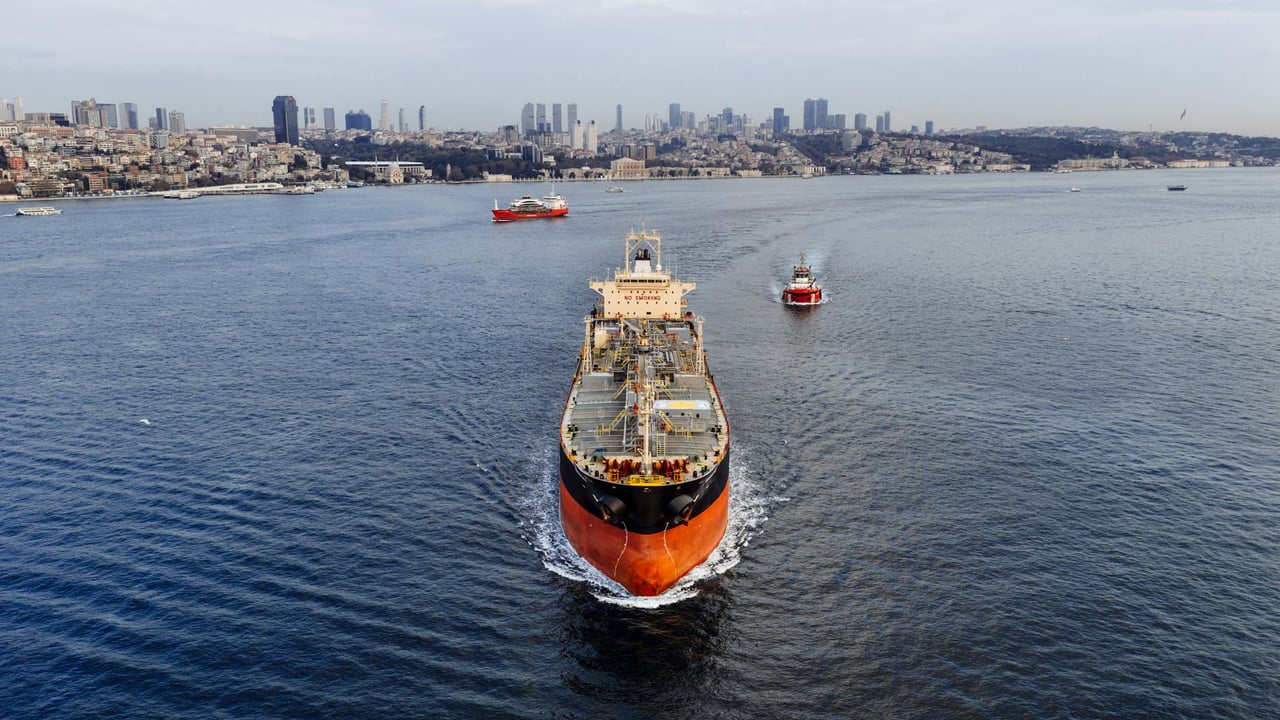
While the diplomatic track remains paralyzed, the theater of conflict has shifted toward a suffocating maritime blockade. The US Central Command recently announced the interception of the 'Pinckney,' a sanctioned vessel, marking the 37th ship diverted since the blockade of Iranian ports began. This aggressive naval posture has brought the global economy to a standstill in the Strait of Hormuz, a critical chokepoint where the near-total cessation of oil, gas, and fertilizer shipments is fueling international anxiety and domestic price hikes.
Despite the economic strangulation, the Iranian leadership appears to be leaning into its 'resistance economy' model, betting that time may be on their side. Tehran is acutely aware that the Trump administration is facing its own set of internal pressures, including mounting public discontent over regional entanglement and the looming specter of the US midterm elections. Furthermore, reports suggesting that Iranian retaliatory strikes on US bases have caused billions of dollars in undisclosed damage are beginning to surface, potentially shifting the domestic political calculus in Washington.
As Foreign Minister Abbas Araghchi maneuvers between Islamabad and Muscat to coordinate with regional mediators, the window for a 'third-party' solution is closing. The failure of the initial 21-hour marathon session in Islamabad suggests that neither side is yet willing to offer the concessions necessary for a sustainable ceasefire. For now, the region remains locked in a dangerous stalemate, where a single miscalculation at sea or a further escalation in base attacks could ignite a broader conflagration that both sides claim they are trying to avoid.