
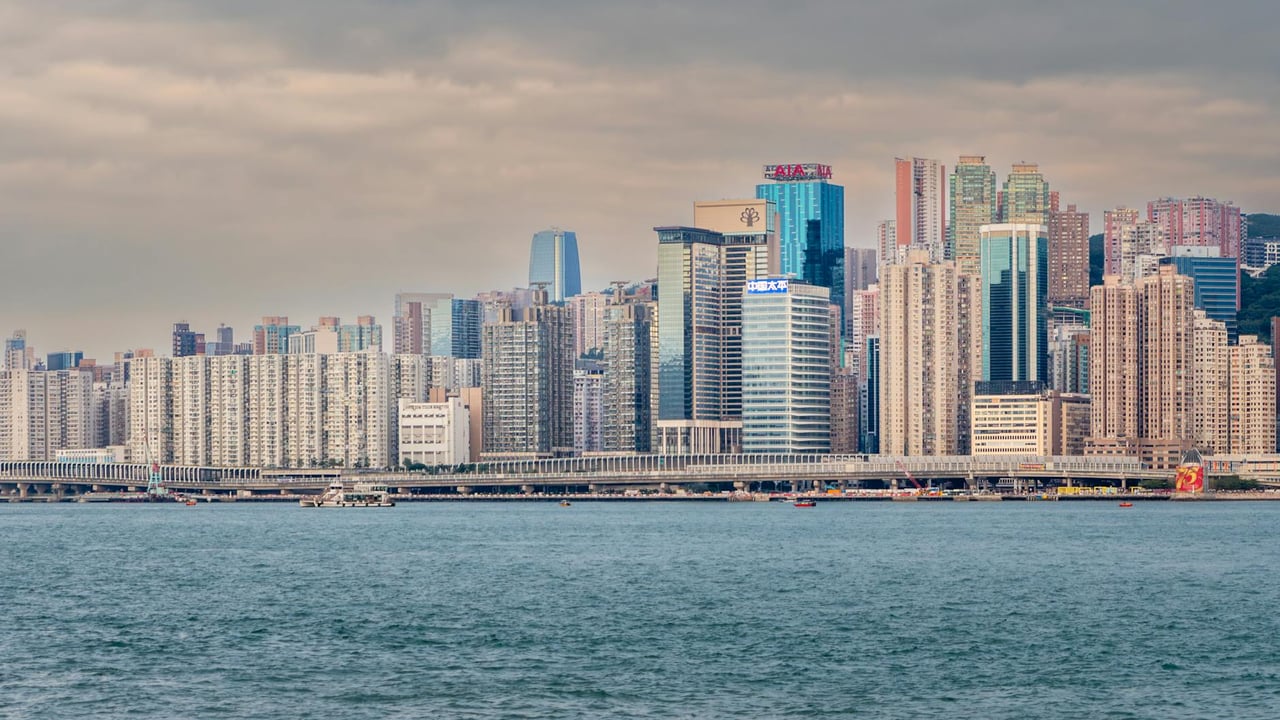

The rhythmic bustle has returned to Hong Kong’s sales offices, signaling the end of a multi-year slumber in the world’s least affordable housing market. In a striking display of demand, a high-end residential project in Hung Hom recently cleared its entire 218-unit inventory in a single weekend. This 'sold-out' phenomenon, once a relic of the pre-pandemic era, is being fueled by a resurgence of mainland Chinese buyers who have become the indispensable pillars of the city’s real estate recovery.
Market data from the first quarter of 2026 paints a picture of a sector in the midst of a V-shaped rebound. Transaction volumes for new homes surged by nearly 30% year-on-year, while the total transaction value nearly doubled to 62.8 billion HKD. This 'unseasonal' spring is defying traditional market cycles, driven by a convergence of easing interest rates, a buoyant stock market, and a massive influx of mainland professionals under the city’s expanded talent schemes.
Of particular note is the return of 'bulk-buying' behavior, where a single investor snaps up multiple units within the same development. Recent statistics indicate that these bulk purchases accounted for over 10% of total new home registrations in the first quarter, reaching levels not seen since 2008. Industry proxies, such as the use of Mandarin pinyin names in land records, suggest that over half of these high-stakes players are originating from the mainland, looking to hedge against currency volatility and capitalize on rising rental yields.
Beyond pure speculation, the market is benefiting from a structural shift in demographics. Over 260,000 mainland professionals have been approved to move to Hong Kong via various talent entry programs over the past two years. These new arrivals are now transitioning from the rental market to homeownership, viewing Hong Kong real estate as a unique 'middle ground' that offers both proximity to the mainland and a safe harbor for asset diversification.
Supply-side dynamics are further tightening the market as the government’s residential completion forecasts show a steady decline through 2027. With new housing stock expected to drop while population figures rebound, the classic pressure of 'too much capital chasing too little land' is reasserting itself. For many mainland investors, the math is simple: as rental yields begin to outpace mortgage costs, the city has once again become a high-conviction bet in a turbulent global economy.