
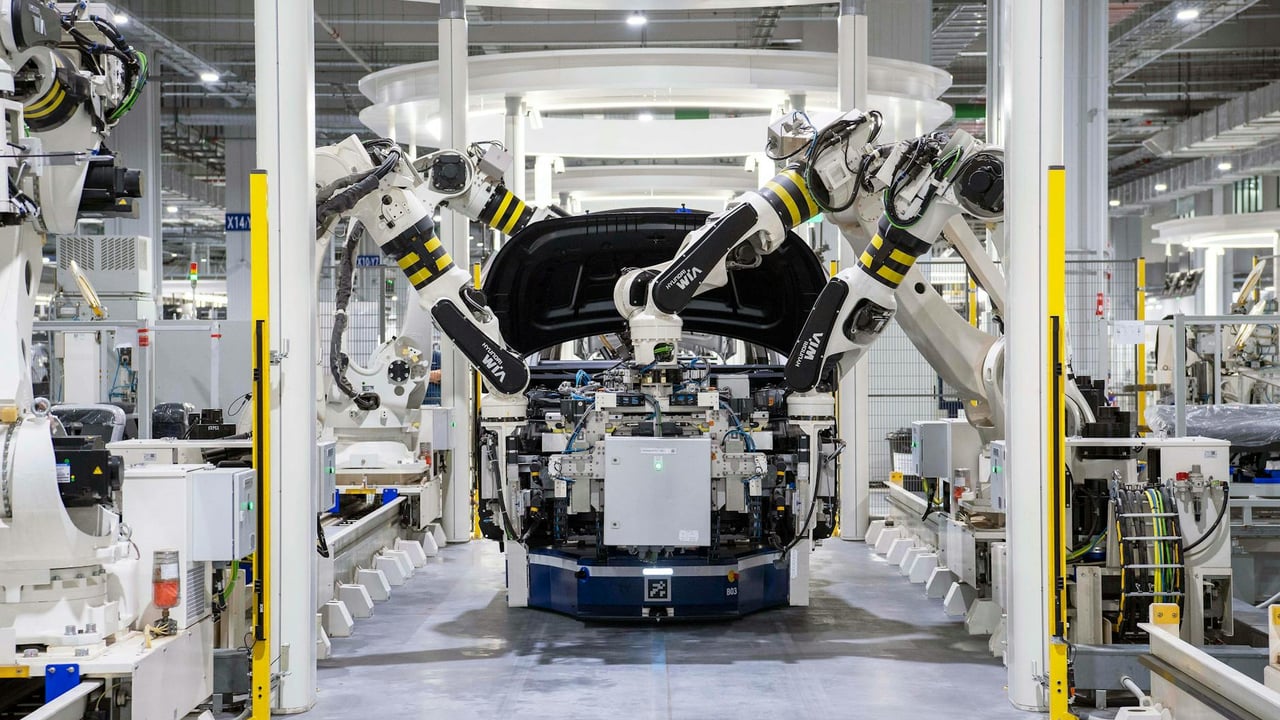

China’s industrial sector posted a robust 15.5% profit growth in the first quarter of the year, signaling a significant acceleration as the country doubles down on high-end manufacturing. Data from the National Bureau of Statistics reveals that profits for major industrial firms reached 1.69 trillion yuan, with March performance specifically showing a 15.8% year-on-year increase. This momentum suggests that Beijing’s efforts to pivot toward 'new quality productive forces' are beginning to yield measurable financial results.
The standout performer remains high-tech manufacturing, where profits skyrocketed by 47.4% during the quarter. This surge was primarily fueled by the explosive growth of the artificial intelligence and semiconductor sectors, which catalyzed demand for everything from optical fibers to sophisticated display devices. In particular, optical fiber manufacturing saw profits leap by over 330%, illustrating the scale of the digital infrastructure build-out currently underway across the mainland.
Beyond pure tech, the equipment and raw material sectors provided substantial support to the bottom line. Electronics profits surged by 124.5%, while non-ferrous metal industries benefited from the rapid expansion of aerospace and new energy sectors. However, this production-heavy growth highlights a persistent structural imbalance: while China’s factories are humming, the domestic consumer base has yet to show a matching level of enthusiasm, creating a 'strong supply, weak demand' dynamic that policymakers must eventually address.
External pressures also cast a shadow over the otherwise optimistic data. Global geopolitical tensions, particularly in the Middle East, present a double-edged sword by potentially boosting commodity prices for upstream producers while simultaneously disrupting shipping routes and stoking global inflation. For Chinese exporters, the challenge lies in maintaining profit margins as raw material costs rise and overseas demand faces the headwinds of high interest rates and logistical volatility.