
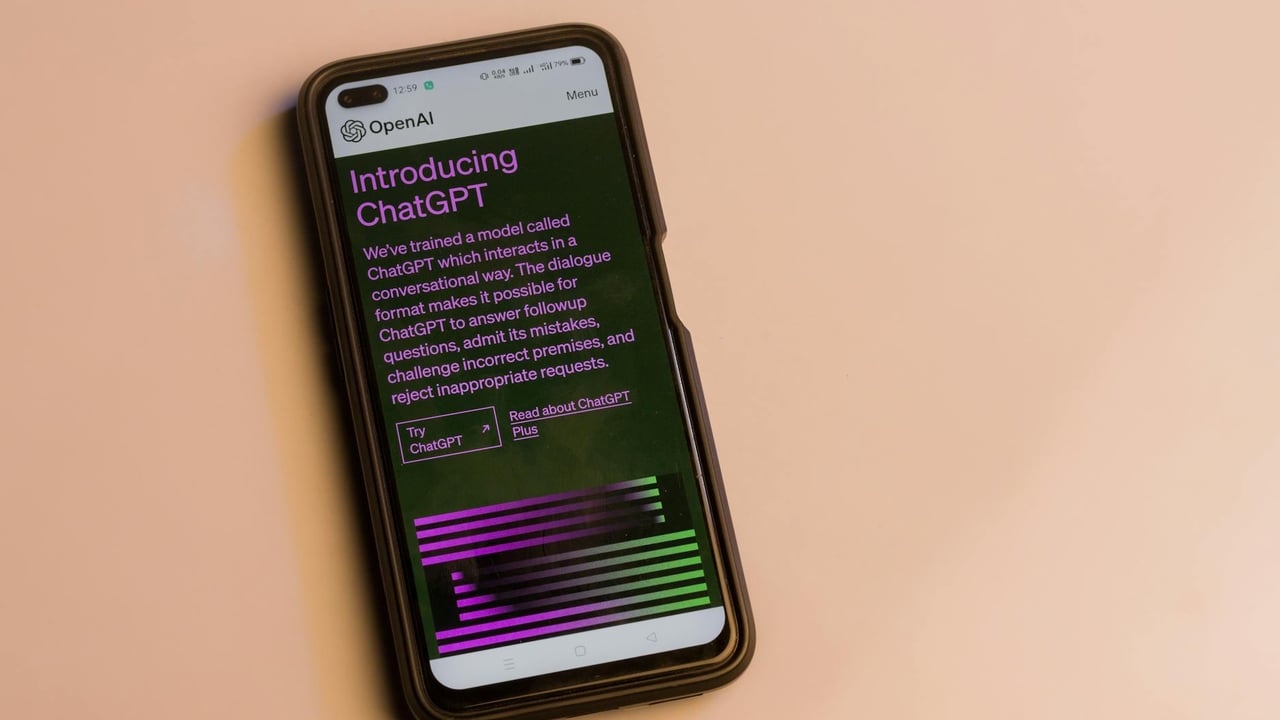

OpenAI, the organization that ignited the generative AI revolution, is reportedly preparing a direct assault on the world’s most personal technology: the smartphone. According to veteran tech analyst Ming-Chi Kuo, the San Francisco-based company is collaborating with chip giants MediaTek and Qualcomm to develop proprietary processors for an AI-native handset. Targeted for mass production by 2028, the project marks a pivot from being a mere service provider to a vertically integrated tech titan capable of challenging the mobile status quo.
This hardware venture is driven by a fundamental belief that the current smartphone architecture, which prioritizes a fragmented ecosystem of individual applications, is obsolete in an era of autonomous AI agents. OpenAI’s vision replaces the app-grid interface with a task-oriented system where the hardware and operating system are unified under a single intelligence. By controlling the physical device, OpenAI can capture a user’s "real-time state," providing the contextual data necessary for an AI to act as a truly proactive personal assistant.
The logistical groundwork for this ambition is already being laid through strategic alliances in the Asian supply chain. While MediaTek and Qualcomm provide the silicon muscle, Luxshare Precision—a key assembler in Apple’s orbit—is slated as the exclusive system design and manufacturing partner. This partnership structure suggests that OpenAI is bypassing the traditional learning curve by leveraging the very infrastructure that builds the world’s most successful consumer electronics.
The company’s hardware division is increasingly staffed by the architects of the modern smartphone era. OpenAI has reportedly assembled a 200-person hardware team, poaching top-tier talent from Apple, including former design veterans Tang Tan and Evans Hankey. This "Apple-ization" of the workforce is complemented by a collaborative project with Jony Ive’s startup, signaling that the aesthetic and functional philosophy of the device will likely lean toward high-end, premium design rather than experimental prototypes.
OpenAI’s roadmap extends far beyond a single phone, aiming to create a comprehensive hardware matrix that blankets every aspect of daily life. Current plans include a smart speaker arriving in 2027, followed by AI-integrated earbuds and smart glasses. This all-scenario strategy—encompassing the home, the commute, and the pocket—seeks to lock users into an OpenAI-powered reality, much like the ecosystems established by Google and Apple over the past two decades.
Despite a staggering valuation of $852 billion and a war chest filled by the likes of Microsoft, NVIDIA, and SoftBank, the path to market dominance is fraught with risk. The smartphone market is notoriously stagnant and dominated by incumbents with deep-rooted brand loyalty and complex global service networks. OpenAI’s challenge will be to prove that its AI-first experience is compelling enough to force consumers to abandon their iPhones and Androids for a new, unproven platform.