
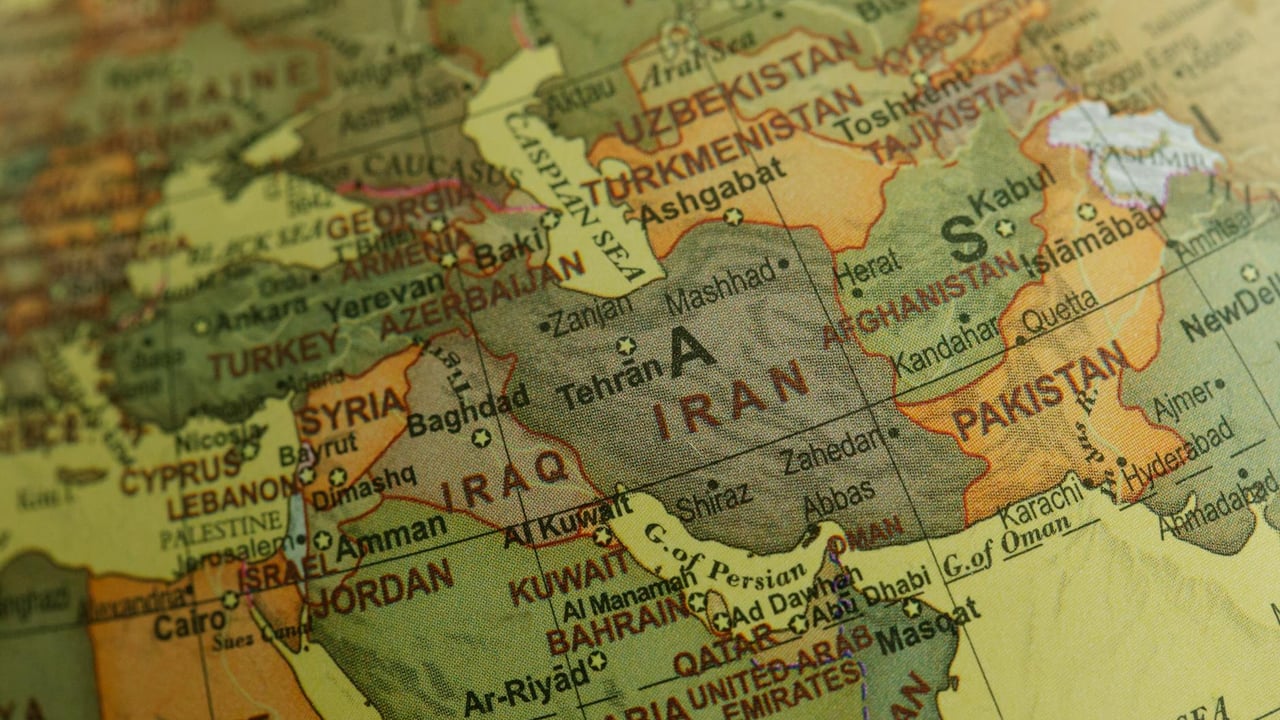

Global energy markets are once again grappling with a volatile cocktail of diplomatic paralysis and maritime insecurity. International benchmark Brent crude surged over 2% to surpass $107 per barrel, while West Texas Intermediate (WTI) climbed past $96. This recent spike is not merely a technical correction but a direct response to the deepening impasse in negotiations between the United States and Iran, coupled with intensifying restrictions in the Strait of Hormuz.
The stalling of nuclear talks represents a significant setback for global supply expectations. Analysts had long anticipated that a successful diplomatic breakthrough would pave the way for the return of Iranian barrels to the global market, providing much-needed relief to tight inventories. As those prospects dim, the market is pricing in a 'no-deal' scenario that keeps Iranian supply sidelined for the foreseeable future.
Simultaneously, the physical movement of energy is under siege. The Strait of Hormuz, a critical chokepoint through which approximately one-fifth of the world’s oil consumption passes, remains subject to varying degrees of operational restriction. These logistical hurdles, combined with heightened regional tensions, have reintroduced a significant risk premium that traders are currently unwilling to ignore.
The intersection of failed diplomacy and restricted shipping lanes underscores the fragility of the current energy landscape. As major economies continue to battle inflationary pressures, the persistence of triple-digit oil prices driven by geopolitical friction creates a challenging environment for central banks and policymakers worldwide. Without a clear path toward de-escalation, the upward pressure on energy costs appears structurally entrenched.