

Iranian Foreign Minister Abbas Araghchi’s return to Pakistan marks a sophisticated pivot in Tehran’s diplomatic maneuvering, shifting the focus from immediate military confrontation to a structured, three-stage peace proposal. By delivering these conditions through Islamabad, Iran is signaling a desire to decouple its urgent security concerns—such as maritime blockades and military aggression—from the long-stalled nuclear file. This strategic separation allows Tehran to demand immediate relief and legal concessions in the Strait of Hormuz before even approaching the negotiating table for its atomic program.
The centerpiece of Araghchi’s proposal is a tiered framework that begins with a total cessation of hostilities and ironclad guarantees against future aggression in Iran and Lebanon. Only after these security pillars are established does Tehran envision moving to the second stage: a fundamental renegotiation of the legal regime governing the Strait of Hormuz. The final stage, involving nuclear discussions, is strictly contingent upon the success of the first two phases, effectively using maritime stability as a prerequisite for nuclear compliance.
Simultaneously, the rhetoric from Washington remains characteristically blunt, as President Donald Trump expressed a willingness to talk while insisting that the conflict will inevitably end in an "American victory." The recent cancellation of a high-level meeting in Islamabad by the U.S. delegation highlights the deep-seated skepticism defining this relationship. While Trump urges Iran to be "smart" and initiate contact, his administration appears focused on a resolution that mirrors total capitulation rather than a mutual compromise.
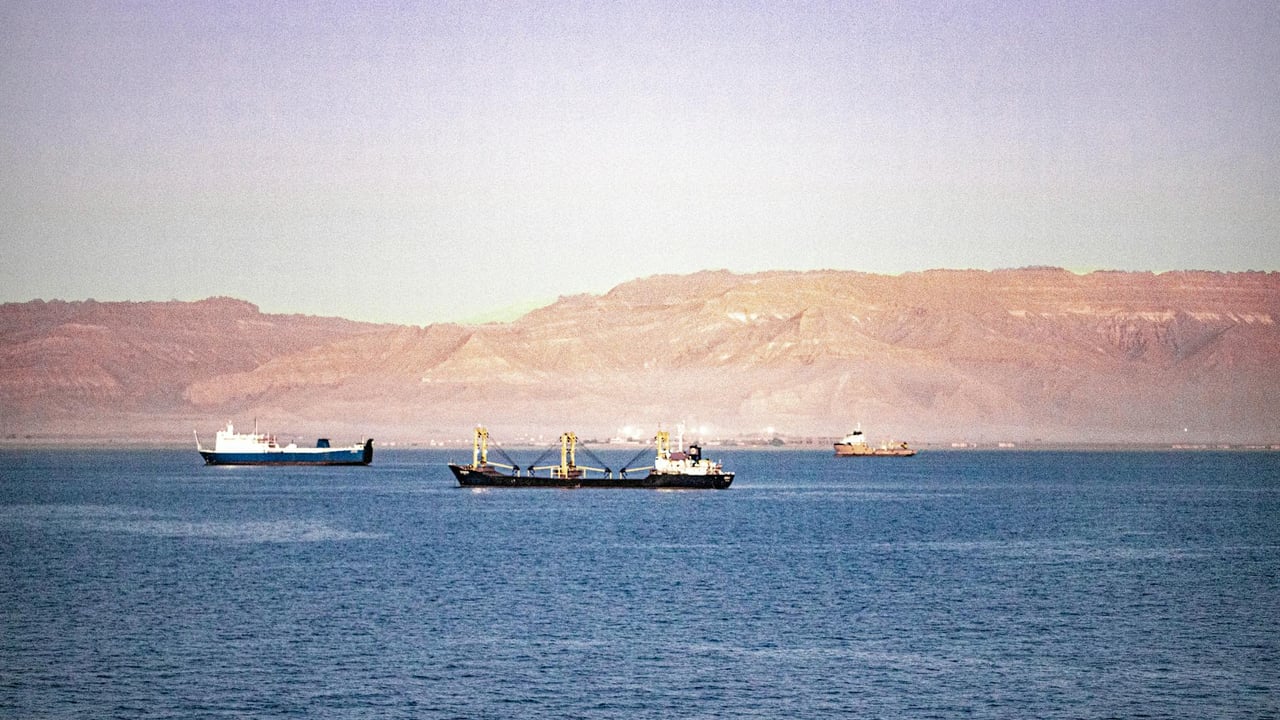
The battleground for this diplomatic tug-of-war has increasingly shifted to the Strait of Hormuz, where Iranian officials are now floating the idea of mandatory transit tolls for all vessels. This move has drawn sharp condemnation from the United Kingdom and the United States, who view the free flow of commerce through the passage as vital to the global economy. As London and Paris coordinate military planning to ensure passage, the sea lane has become the primary point of leverage for an Iranian leadership determined to rewrite the rules of regional engagement.
Ultimately, the success of Araghchi’s shuttle diplomacy hinges on bridging a chasm of mistrust that has only widened during the recent escalation. While Tehran seeks to codify its control over the Strait and secure financial compensation, Washington’s "victory" narrative leaves little room for the nuances of the Iranian three-stage plan. Without a significant shift in either side’s core demands, the diplomatic circuit through Muscat and Islamabad may serve as little more than a record of irreconcilable differences.