

In the wet markets and supermarket aisles of China, a quiet economic milestone was reached this April. National hog prices plummeted to an average of 10.40 yuan per kilogram, a staggering 31.4% year-on-year decline that marks an eight-year low. In some provinces, live hog prices have dipped into the '3-yuan era,' creating a surreal marketplace reality where a pound of pork often costs less than a pound of broccoli.
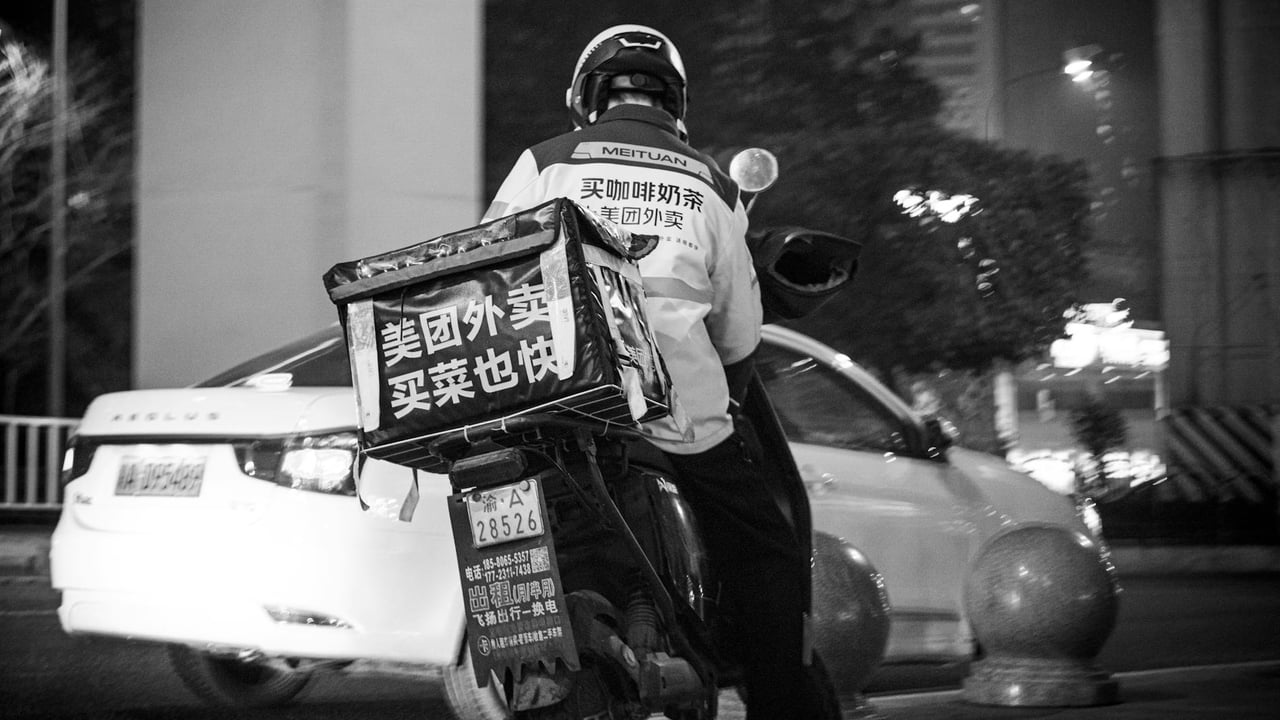
This collapse in the 'pig cycle' is doing more than squeezing farmers; it is fundamentally altering the cost structure of China’s massive food delivery industry. On platforms like Meituan’s 'Pinhaofan,' ultra-budget meals such as chili shredded pork or braised trotters are now selling for between 9.5 and 12 yuan (approximately $1.30 to $1.65). While consumers initially greeted these prices with skepticism, the underlying economics reveal a calculated shift toward extreme efficiency rather than a compromise in food safety.
The math behind a 9.9-yuan meal is surprisingly sustainable under current deflationary conditions. With wholesale pork prices at a low, the meat component of a standard rice bowl costs barely 1.3 yuan. When combined with bulk-purchased vegetables and minimal packaging, the total material cost of a popular dish like potato and pork rice sits between 3.8 and 4.5 yuan. This leaves enough margin for small-scale operators to turn a profit, provided they abandon the traditional restaurant model.
For decades, Chinese urban diners have unwittingly paid a 'rent tax' on their meals, with up to 60% of a dish's price going toward high-street storefront leases and service staff. The new breed of delivery-first 'cloud kitchens' has stripped these costs away. By operating out of low-rent side streets and limiting menus to just three or five high-volume items, these businesses function more like precision assembly lines than traditional kitchens, reducing labor and food waste to near-zero levels.
This shift represents a broader 'return to rationality' in Chinese consumption. As the economy recalibrates, the premium once paid for dining ambiance is being discarded by office workers in favor of raw utility. The 10-yuan lunch is not merely a symptom of a 'consumption downgrade,' but a market correction that reflects the actual cost of food when decoupled from the overhead of China’s expensive commercial real estate.