
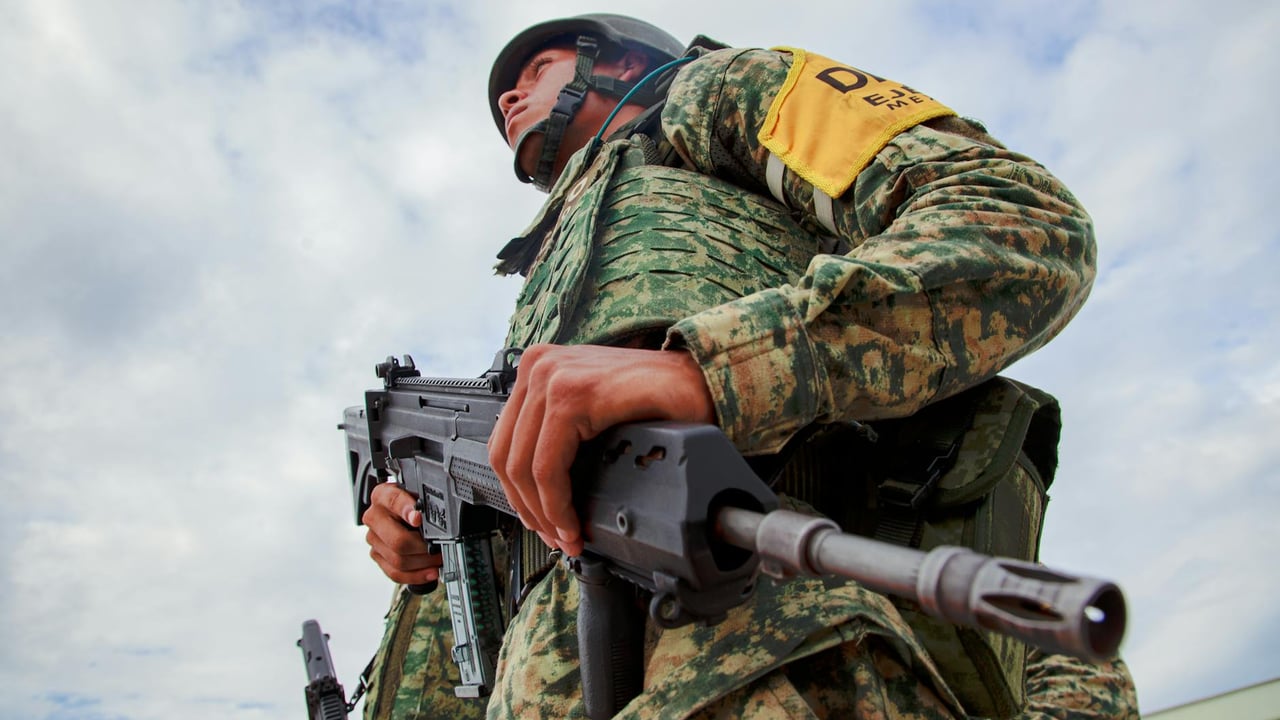

Deep in the training grounds of a People’s Liberation Army (PLA) brigade, the focus is shifting from simple marksmanship to a more grueling form of comprehensive tactical mastery. A recent multi-dimensional sniper exercise highlighted a pivot in how Chinese ground forces prepare for modern conflict, emphasizing psychological endurance and environmental adaptation over mere target practice. These drills represent a small but significant piece of Beijing’s broader objective to transform its massive infantry into a nimble, professionalized force capable of high-intensity operations.
The training regimen showcased by the brigade integrates complex maneuvers such as long-distance infiltration, clandestine movement through hostile terrain, and rapid target acquisition under high-stress conditions. Unlike traditional static range shooting, these exercises force snipers to operate in environments that simulate the unpredictability of a real battlefield. By prioritizing 'comprehensive' training, the PLA is signaling that its specialized units must be proficient in multi-disciplinary skills, including advanced navigation and radio silence protocols.
This evolution is part of a decade-long push to modernize the PLA’s small-unit tactics, a lesson gleaned from observing modern conflicts in Eastern Europe and the Middle East where small, highly skilled teams have disproportionate impacts on the front line. The role of the sniper is being reimagined not just as a lone marksman, but as a critical reconnaissance asset and force multiplier. This professionalization is essential for China as it approaches its 2027 military modernization milestones, aiming for a force that is ‘intelligentized’ and integrated.
Furthermore, the emphasis on realism suggests a move away from the scripted drills that have historically hampered PLA operational readiness. By testing soldiers against shifting weather conditions and variable terrain, the brigade is attempting to bridge the gap between theory and the friction of combat. While the physical equipment—ranging from high-precision rifles to advanced optics—is a factor, the focus of this particular training cycle is clearly on the 'human hardware' of tactical discipline and mental fortitude.