Bitcoin Retreats Below $77,000 as Macroeconomic Jitters Dampen Crypto Optimism

Bitcoin fell below the $77,000 mark on April 27, 2026, amid a 1.45% daily decline. The drop coincides with stalled U.S.-Iran negotiations and a broader retreat in gold prices, signaling a cautious shift in global investor sentiment toward liquidity.

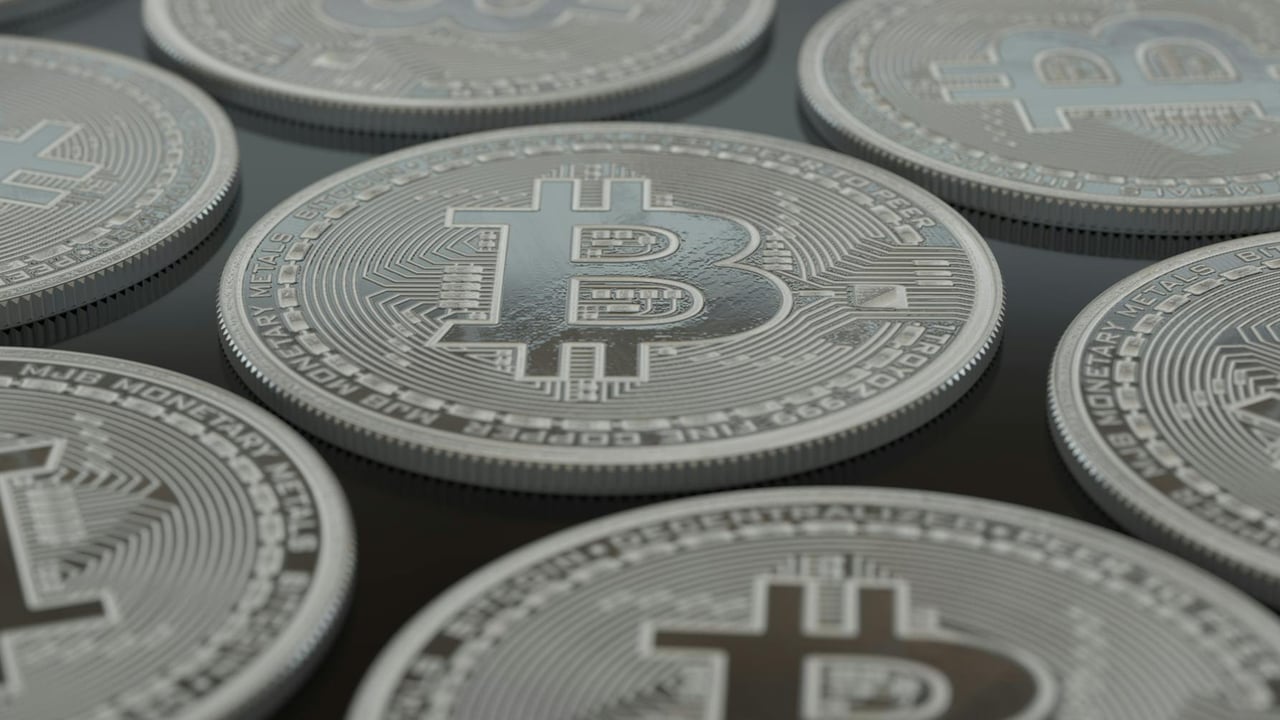
Detailed close-up of silver Bitcoin coins showcasing digital currency concepts.

Key Takeaways

  • 1Bitcoin fell to $76,974.7, breaking below a key psychological resistance level.
  • 2The 24-hour decline of 1.45% is part of a wider market correction affecting both crypto and gold.
  • 3Geopolitical tensions, particularly in the Strait of Hormuz and U.S.-Iran relations, are driving investors toward cash reserves.
  • 4Gold prices also saw a significant drop below $4,700, indicating a temporary cooling of inflation-hedging strategies.

Editor's
Desk

Strategic Analysis

The current dip in Bitcoin below $77,000 is less a commentary on the internal health of the blockchain ecosystem and more a reflection of a tightening global liquidity environment. In the 2026 fiscal landscape, Bitcoin has matured into a macro-correlated asset that often reacts in tandem with energy markets and geopolitical stability. The failure of U.S.-Iran talks has likely prompted a 'risk-off' move, where even 'digital gold' is liquidated to cover positions in more traditional markets. For long-term holders, this represents a consolidation phase, but for the broader market, it highlights that Bitcoin is not yet immune to the gravity of traditional geopolitical and energy-driven economic shocks.

China Daily Brief Editorial
Strategic Insight
China Daily Brief

The digital asset market faced a wave of selling pressure on April 27, 2026, as Bitcoin slipped below the psychologically significant $77,000 threshold. Trading data shows the world's largest cryptocurrency fell to approximately $76,974, marking a 1.45% decline over a 24-hour period. This localized volatility reflects a broader cooling of investor sentiment across both traditional and decentralized finance sectors.

The retracement comes at a time of heightened geopolitical friction and shifting commodity cycles. While Bitcoin has historically been touted as 'digital gold,' its recent price action mirrors a broader retreat in safe-haven assets. Specifically, gold prices have simultaneously dipped below $4,700 per ounce, as stalled negotiations between the United States and Iran and cooling inflation expectations weigh heavily on speculative hedges.

Market participants are also closely monitoring the energy sector and global trade routes, which continue to inject uncertainty into the financial system. Reports indicating that only two vessels passed through the Strait of Hormuz on the previous day suggest that supply chain disruptions are far from resolved. In this environment, the prevailing 'cash is king' sentiment has led many institutional players to reduce their exposure to high-beta assets like Bitcoin.

Despite the minor drawdown, the cryptocurrency remains within a consolidate range established earlier in the year. Analysts suggest that the current price action is a necessary correction after the aggressive rallies of late 2025. The focus now shifts to whether Bitcoin can maintain support at the $75,000 level or if the current macroeconomic headwinds will force a deeper revaluation of the asset class.

Share Article

Related Articles

📰
No related articles found