
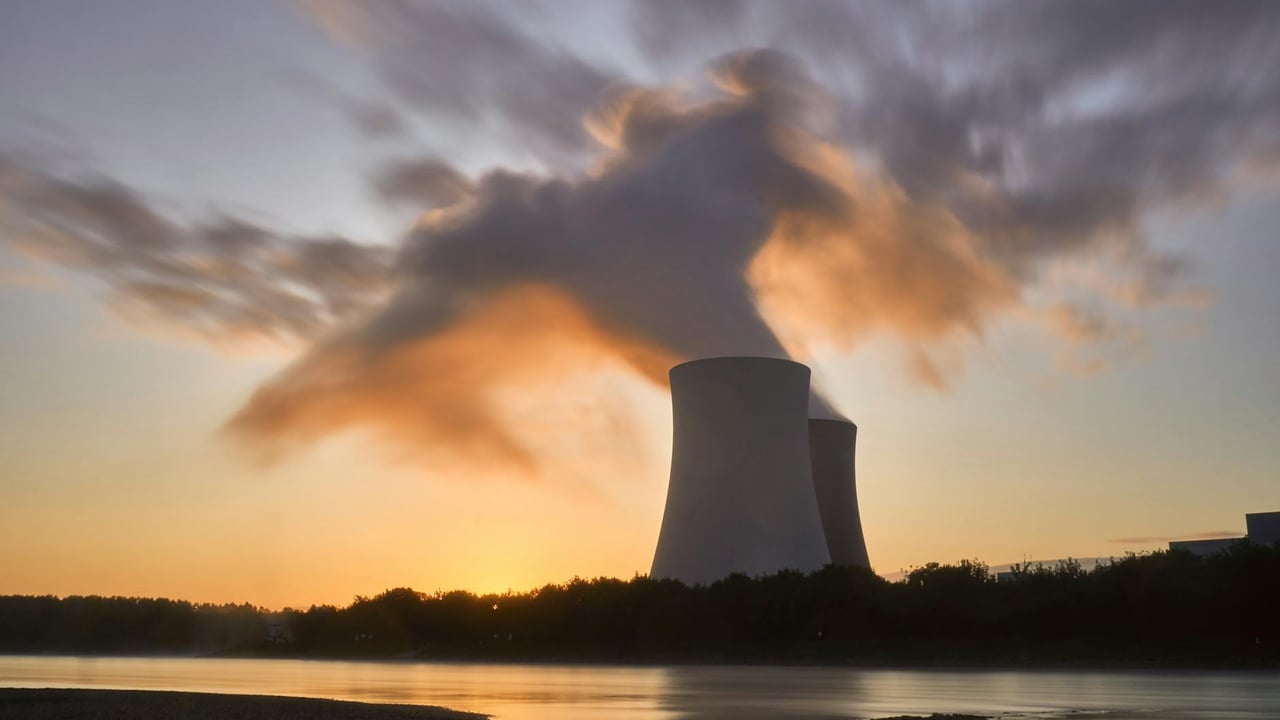

The 11th Review Conference of the Treaty on the Non-Proliferation of Nuclear Weapons (NPT) opened at the United Nations headquarters in New York on April 27, 2026, against a backdrop of profound geopolitical instability. UN Secretary-General António Guterres delivered a sobering address, warning that the world is succumbing to a dangerous “collective amnesia” regarding the catastrophic potential of nuclear warfare. As the international community grapples with the erosion of decades-old arms control frameworks, the risk of nuclear use has reached levels unseen since the height of the Cold War.
Guterres highlighted a stark and disturbing shift in global priorities, noting that military spending has surged to a record $2.7 trillion—thirteen times the amount allocated for global development assistance. For the first time in several decades, the total number of nuclear warheads in global stockpiles is on the rise, while the taboo against nuclear testing is being openly challenged by several states. This reversal of the post-Cold War disarmament trend suggests that the nuclear shadow, which many thought had retreated into history, is once again lengthening over international diplomacy.
The Secretary-General’s warning arrives as the NPT—the bedrock of global nuclear governance—faces a crisis of legitimacy. Despite intensive negotiations, the previous review cycles in 2015 and 2022 ended in deadlock, failing to produce a substantive consensus document. The current conference, scheduled to run until May 22, is tasked with reconciling the divergent interests of nuclear-weapon states and non-nuclear states in a climate defined by deep-seated mistrust and the collapse of traditional bilateral treaties.
Adding to the complexity are the risks posed by rapid advancements in emerging technologies. Guterres specifically identified artificial intelligence and quantum computing as new frontiers that could destabilize nuclear command and control systems. He urged delegates to ensure that human oversight remains central to nuclear decision-making, emphasizing that the treaty must evolve to meet the challenges of a digital age where the speed of escalation could outpace traditional diplomatic channels.
The presence of the “Hibakusha”—survivors of the Hiroshima and Nagasaki bombings—served as a visceral reminder of the human cost at stake. Their dwindling numbers underscore the urgency of Guterres’s message: that disarmament is not an idealistic “reward” for a peaceful world, but the very foundation upon which that peace must be built. As states begin their deliberations, the fundamental question remains whether the NPT can still function as a safeguard or if it is becoming a relic of a bygone era of cooperation.