
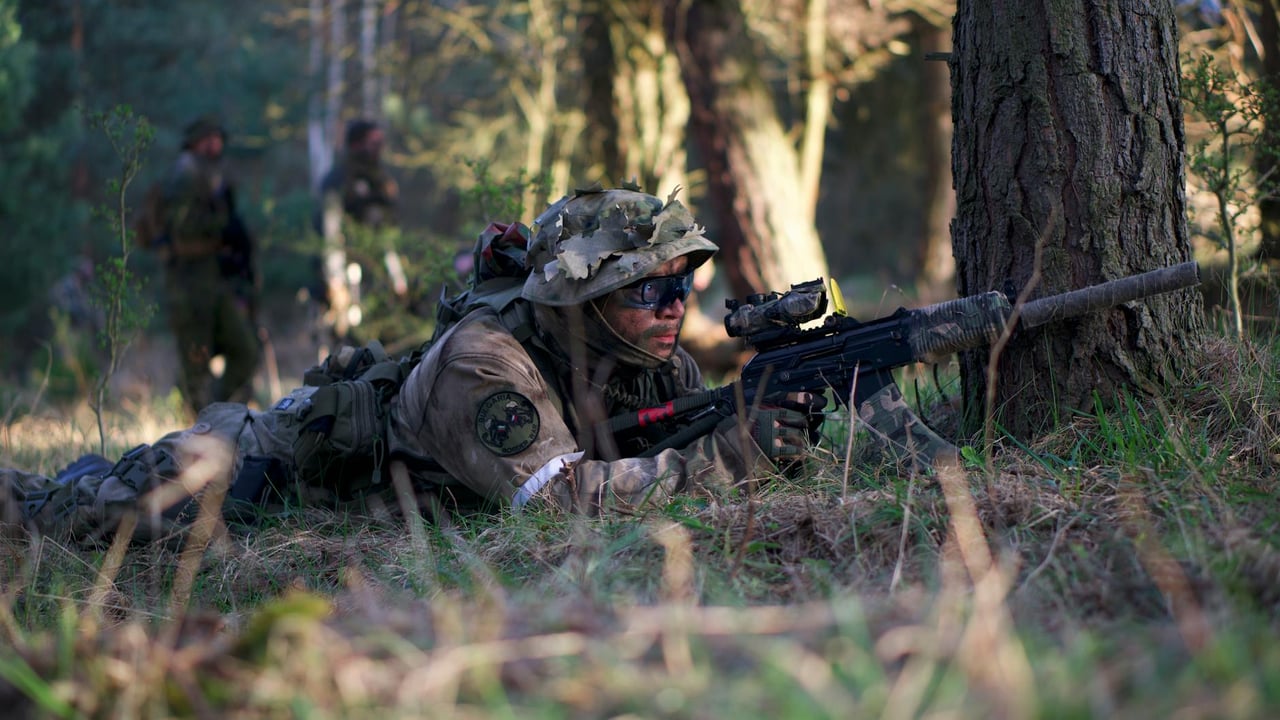

The People’s Liberation Army (PLA) continues to refine its elite combat capabilities, moving beyond traditional mass-infantry maneuvers toward highly specialized, precision-oriented warfare. A recent comprehensive sniper exercise conducted by an Army brigade highlights this tactical evolution. Rather than simple target practice, these drills emphasize the integration of endurance, camouflage, and psychological resilience, reflecting a broader mandate from the Central Military Commission to prioritize 'combat-readiness' in realistic environments.
Modern snipers within the PLA are no longer viewed merely as marksmen but as critical tactical nodes capable of operating independently or within sophisticated joint-force structures. The training modules observed in this latest exercise involve multi-terrain navigation, long-duration concealment, and rapid-fire engagement under extreme physical duress. By simulating high-pressure scenarios, the PLA aims to bridge the gap between theoretical capability and the unpredictable nature of modern theater operations.
This shift toward specialized training is a direct response to the changing landscape of global conflict, where urban warfare and 'gray zone' operations demand surgical precision over brute force. The PLA's focus on 'comprehensive' training suggests a move to align its special operations capabilities with international standards, particularly those of the United States and Russia. This involves not only mastering the hardware of high-caliber rifles and thermal optics but also the software of strategic patience and situational awareness.
Furthermore, the inclusion of these specialized units within standard brigade structures indicates a push for decentralized lethality. By embedding elite sniper teams deeper into conventional units, the PLA enhances its ability to disrupt enemy command chains and provide intelligence-led reconnaissance. As China continues its multi-decade modernization drive, the emphasis on individual tactical excellence serves as a force multiplier for its increasingly high-tech military machine.