Trump’s High-Stakes Gamble: Seeking an Iranian 'Soft Landing' Ahead of the Midterms

President Trump has publicly called for Iran to initiate peace negotiations as he seeks a diplomatic exit before the 2026 midterm elections. However, irreconcilable demands and a significant rift with European allies suggest that a 'soft landing' for the conflict remains unlikely in the near term.

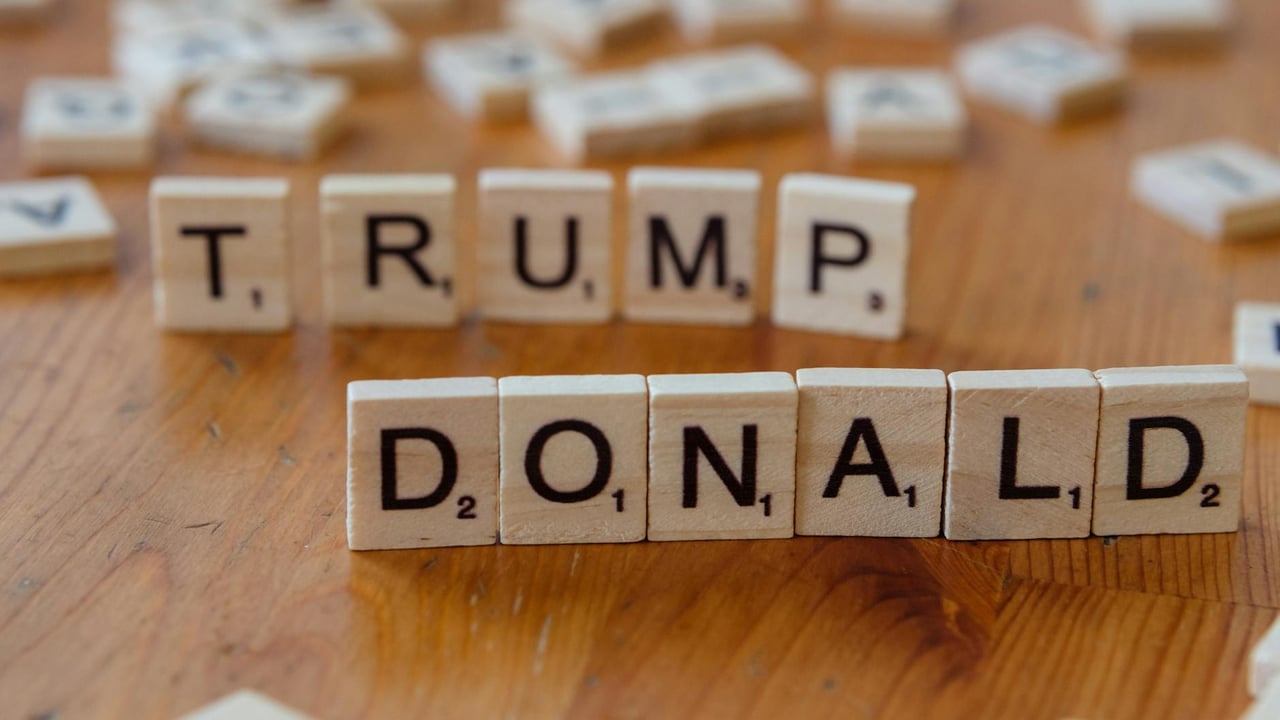
Close-up of Scrabble tiles spelling 'Donald Trump' on a wooden table.

Key Takeaways

  • 1President Trump is prioritizing a resolution to the Iran conflict to bolster his position ahead of the June 2026 midterm elections.
  • 2The cancellation of the Islamabad meeting indicates a total collapse of recent diplomatic attempts between Washington and Tehran.
  • 3Major European allies, specifically France and Germany, are actively distancing themselves from U.S. military actions against Iran.
  • 4Iran refuses to engage in 'humiliating' negotiations while under active military and economic pressure.
  • 5U.S. demands include permanent nuclear curbs and the surrender of Iranian missile development, which Tehran views as non-starters.

Editor's
Desk

Strategic Analysis

This maneuver represents a classic Trumpian tactic: utilizing public media to frame a geopolitical stalemate as a lack of 'intelligence' on the part of his adversary. Strategically, the U.S. is isolated not only from its target but also from its traditional allies. The refusal of France and Germany to assist military efforts indicates that the 'Maximum Pressure' campaign has reached its limit of international tolerance. For Trump, the 'soft landing' is a domestic political necessity, but for Tehran, any concession now would be viewed as a surrender. Without a significant shift in the U.S. demand for unilateral Iranian concessions, this verbal outreach is unlikely to translate into a functional peace process before the American electorate heads to the polls.

China Daily Brief Editorial
Strategic Insight
China Daily Brief

As the June 2026 midterm elections approach, President Donald Trump is signaling an urgent desire to find a 'soft landing' for the ongoing conflict with Iran. Speaking on Fox News, the President urged Tehran to take the initiative, suggesting that if they want to end the hostilities, they should simply 'be smart' and call him. This public overture, however, arrives at a moment of profound diplomatic stagnation and heightening military tensions.

The rhetoric of a potential peace deal masks a stark reality on the ground: the recent cancellation of a high-level meeting in Islamabad suggests that back-channel efforts have reached a dead end. Washington continues to demand permanent nuclear restrictions and the total abandonment of Iran’s missile programs. In contrast, Tehran remains firm in its refusal to negotiate under the duress of military strikes and unilateral sanctions, demanding full reparations before any formal dialogue can resume.

Adding to the complexity is a widening schism within the Transatlantic alliance. While the United States seeks a united front, core European powers including France, Germany, and Spain have pointedly refused to provide military bases or open their airspace for American operations. This internal NATO friction is highlighted by the United Kingdom’s lukewarm commitment to only provide maritime support after the conflict has concluded—a stance that has drawn public ire from the White House.

Ultimately, Trump’s call for negotiations appears to be an extension of his 'maximum pressure' doctrine rather than a genuine pivot toward diplomacy. By demanding that Iran make the first move, the administration seeks to maintain the upper hand while managing a domestic political clock. With Israel continuing to play a disruptive role in any potential de-escalation, the path toward a credible ceasefire remains obstructed by deep-seated mistrust and irreconcilable strategic demands.

Share Article

Related Articles

📰
No related articles found