

The global financial landscape is currently defined by a striking dichotomy: the exuberant rise of artificial intelligence and the sobering realities of Middle Eastern brinkmanship. On April 27, the Nasdaq and S&P 500 scaled new peaks, propelled by Nvidia's ascent to a staggering $5.26 trillion market capitalization. This rally was fueled by news of a strategic partnership between Qualcomm and OpenAI to develop mobile-centric AI processors, a move that signals the expansion of AI from massive data centers to the palm of the consumer’s hand.
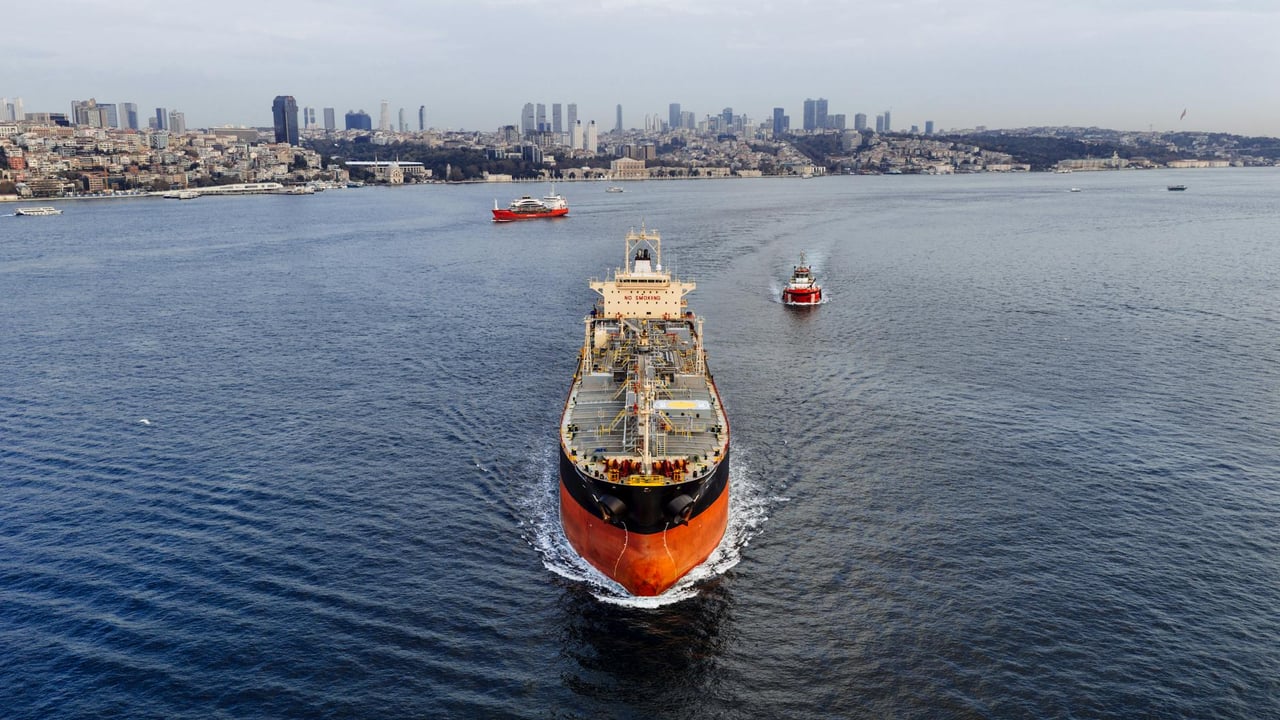
While Silicon Valley celebrates, the geopolitical focus has shifted to the White House, where President Trump and his national security team are evaluating a multi-stage peace proposal from Tehran. The Iranian plan, reportedly funneled through Pakistani intermediaries, seeks to de-escalate tensions in the Strait of Hormuz before tackling the thorny issue of nuclear enrichment. This diplomatic overture comes at a critical juncture, as oil prices have surged, with Brent crude crossing the $108 mark amid fears of a prolonged maritime blockade.
Investors remain in a state of high-stakes vigilance as they brace for a 'gauntlet' of earnings reports from the 'Magnificent Seven' tech giants. Markets are questioning whether the colossal capital expenditures in AI infrastructure are yielding quantifiable returns, or if the current valuations are built on a fragile foundation of speculation. These earnings, representing nearly half of the S&P 500’s total value, will likely determine if the April rally has the fundamental legs to withstand external shocks.
On the diplomatic front, the role of Moscow remains pivotal as President Vladimir Putin met with Iranian Foreign Minister Abbas Araghchi in St. Petersburg. Putin’s messaging suggests a Russia positioned as a regional mediator, even as he expressed support for Iranian sovereignty. The Iranian strategy appears to be a sequenced approach: first, a cessation of hostilities and maritime guarantees; second, the management of the Strait of Hormuz; and only finally, a return to the nuclear negotiating table—a sequence that tests the Trump administration's 'maximum pressure' legacy.