Japan Airlines Bets on Humanoid Robots to Solve Ground Crew Shortage

Japan Airlines will begin testing humanoid robots for ground cargo handling in May to combat severe labor shortages. The carrier aims for full commercial integration of these robotic workers by 2028.

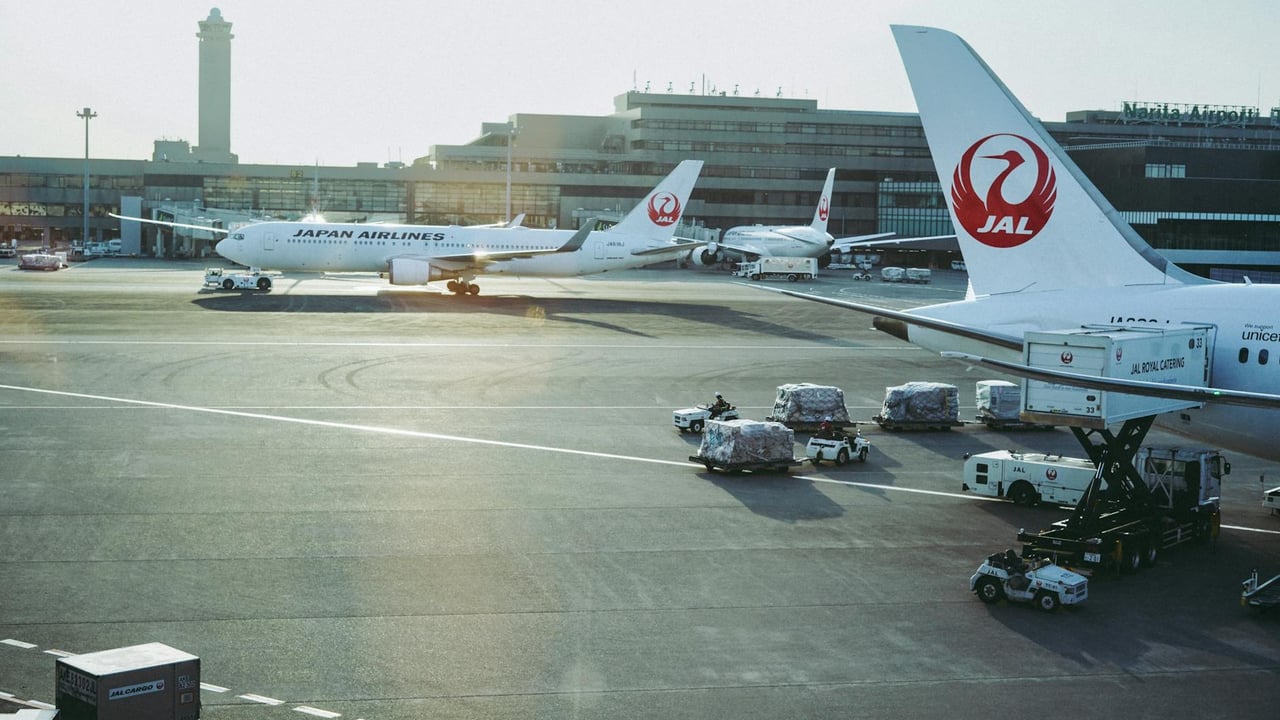
Japan Airlines planes on the tarmac at Narita International Airport in Chiba, Japan.

Key Takeaways

  • 1JAL to start trial of humanoid robots for cargo handling in May 2026.
  • 2Robots will focus on moving cargo containers from trailers to aircraft loading areas.
  • 3The initiative directly addresses Japan's critical shortage of airport ground staff.
  • 4Commercial implementation is targeted for 2028 following extensive field testing.

Editor's
Desk

Strategic Analysis

Japan’s 'Year 2024 Problem'—the culmination of logistics labor caps and a dwindling birthrate—is forcing industries to leapfrog traditional automation toward versatile humanoid robotics. Unlike specialized, fixed-purpose machines, humanoids are designed to function within human environments, meaning JAL can potentially automate ground handling without rebuilding its current airport infrastructure. If successful, this pilot program could establish a global blueprint for the aviation industry, proving that embodied AI is the only viable path to maintaining high-frequency logistics in societies facing demographic collapse. The four-year testing window suggests the technology is moving out of the lab and into the messy, unpredictable reality of industrial application.

China Daily Brief Editorial
Strategic Insight
China Daily Brief

Japan’s aviation sector is turning to robotics as a solution to its chronic labor deficit. Japan Airlines (JAL) announced it would begin trial runs for humanoid robots in ground operations starting this May. This move signals a significant shift in how the industry views high-dexterity physical labor traditionally reserved for humans.

The initial phase of the pilot program focuses on the transport of cargo containers from dollies to the vicinity of the aircraft. Ground handling is one of the most physically demanding sectors of aviation, involving heavy lifting and precise positioning in all weather conditions. By automating these tasks, JAL hopes to maintain operational efficiency despite a shrinking working-age population.

This initiative is not an immediate fix but a long-term strategic play. JAL intends to refine the robots' movements and integration with existing airport workflows through 2028, after which full-scale commercial deployment is expected. The timeline reflects the complexity of operating "human-like" machines in the high-stakes, fast-paced environment of an active tarmac.

Japan is increasingly becoming a global laboratory for embodied AI—robotics that can interact physically with the world. While simple automated carts have been used for years, the deployment of humanoids suggests a need for machines that can navigate spaces designed for people without requiring expensive infrastructural overhauls.

Share Article

Related Articles

📰
No related articles found