Strategic Truce: US International Trade Commission Terminates Semiconductor Patent Probe into Tech Giants

The US ITC has terminated its Section 337 investigation into semiconductor devices and downstream computing products after a settlement was reached with AMD and complaints were withdrawn against Lenovo and Super Micro. The resolution removes the threat of import bans, allowing these tech giants to continue their operations without the risk of regulatory exclusion.

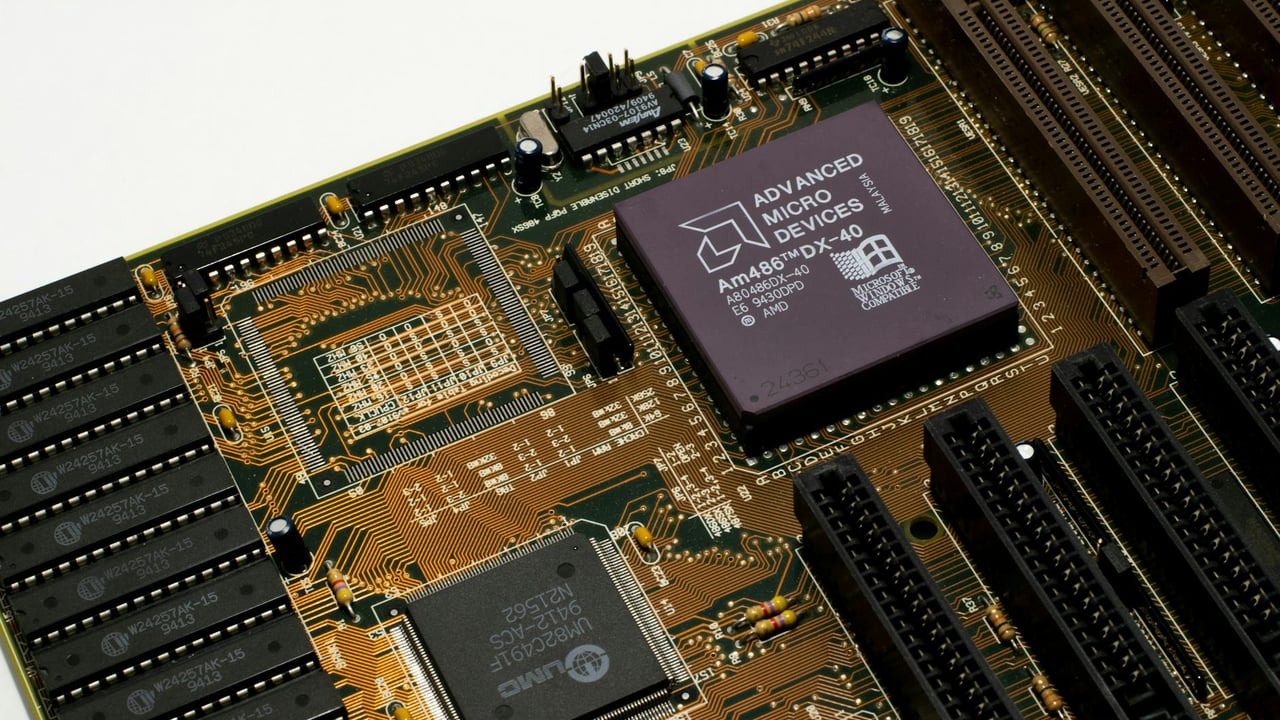
Detailed view of a vintage motherboard with an AMD microchip, showcasing intricate circuitry and slots.

Key Takeaways

  • 1The US International Trade Commission officially ended investigation 337-TA-1465 regarding semiconductor devices and computing components.
  • 2Advanced Micro Devices (AMD) reached a settlement agreement, leading to the termination of the probe against them.
  • 3Complaints against Lenovo and Super Micro Computer were voluntarily withdrawn by the filing parties.
  • 4The termination effectively ends the threat of import bans for the specific hardware and downstream products named in the original filing.

Editor's
Desk

Strategic Analysis

The termination of this ITC investigation underscores the strategic nature of intellectual property litigation in the semiconductor industry. Section 337 cases are often used not just for legal victory, but as a mechanism to force licensing deals or cross-licensing arrangements. For Lenovo and AMD, the avoidance of an exclusion order is a significant win, as even a temporary ban on their components could have catastrophic effects on the global PC and server supply chains. The fact that the investigation was terminated across the board suggests that the parties likely realized the 'mutually assured destruction' of an import ban was less profitable than a quiet settlement, particularly as the industry faces increasing pressure to stabilize supply lines amid geopolitical uncertainty.

China Daily Brief Editorial
Strategic Insight
China Daily Brief

The US International Trade Commission (ITC) has officially closed the curtain on a significant Section 337 investigation targeting some of the most prominent names in the global semiconductor and computing industries. In a partial final determination, the commission ended its probe into specific semiconductor devices and the downstream computing products that rely on them. This resolution brings a sudden end to a legal challenge that could have disrupted supply chains for several market leaders.

The termination of the investigation against Advanced Micro Devices (AMD) followed a formal settlement agreement between the parties involved. While the specific terms of the deal remain confidential, the decision to settle reflects a broader trend among hardware giants to favor private licensing agreements over protracted legal battles. By reaching an accord, AMD secures its market position and avoids the looming threat of exclusion orders that could have barred its components from entering the US market.

Simultaneously, the ITC dropped its investigation into Chinese PC powerhouse Lenovo and US-based Super Micro Computer after the complainants voluntarily withdrew their allegations. The withdrawal marks a notable de-escalation in a case that appeared to be a major front in the ongoing friction over intellectual property within the high-tech sector. For Lenovo, which frequently navigates the complexities of US-China trade relations, this dismissal provides a crucial reprieve from potential regulatory hurdles.

Section 337 investigations are potent tools used by the ITC to protect domestic industries from unfair trade practices, primarily patent infringement. Because these cases can result in total bans on imported goods, they are often leveraged as high-stakes bargaining chips in corporate patent negotiations. The total termination of the 337-TA-1465 case suggests that the involved entities have found a path toward commercial coexistence rather than pursuing a definitive judicial knockout.

Share Article

Related Articles

📰
No related articles found