
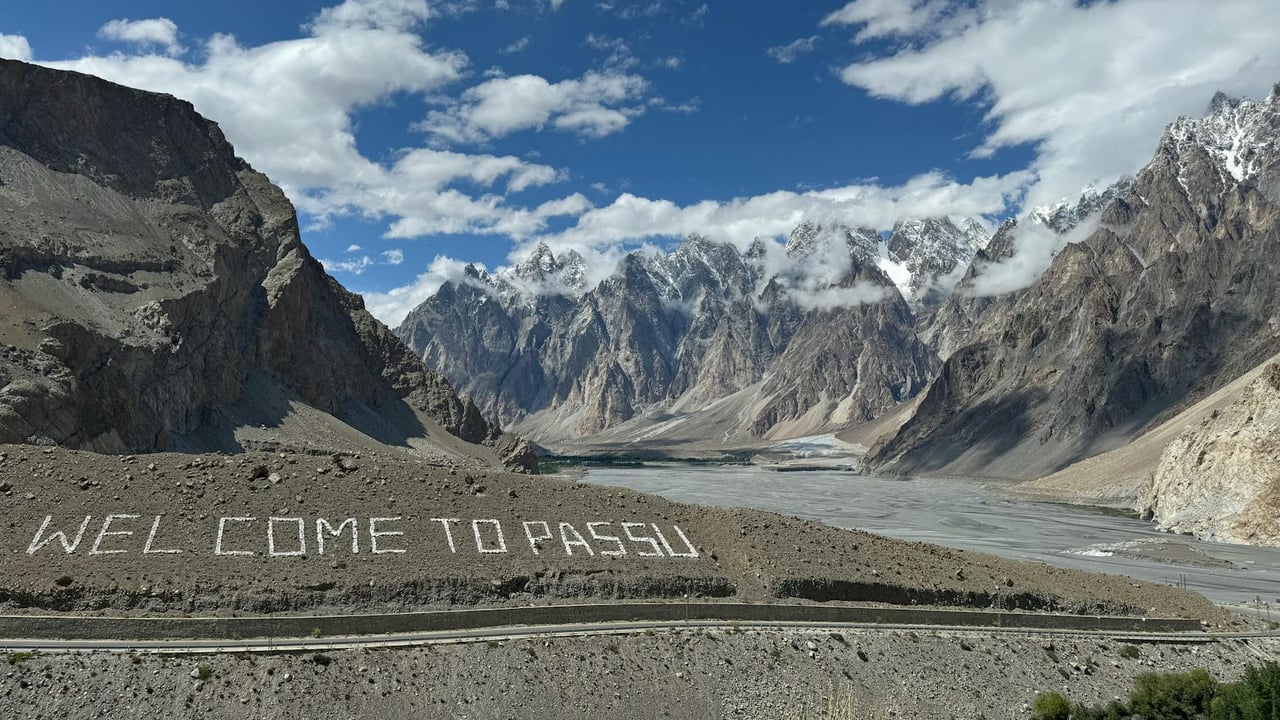

On the oxygen-thin ridges of the Karakoram Mountains, where the simple act of breathing can sound like a labored bellows, the People’s Liberation Army (PLA) is forging the archetype of its modern officer corps. Luo Yu, a staff officer in the Xinjiang Military District, represents a shift in military personnel strategy: the integration of high-level academic credentials with grueling physical endurance. A double-degree graduate of the prestigious National University of Defense Technology, Luo has spent over a decade transforming a newly formed border unit into a top-tier combat force.
Luo’s trajectory from an elite military academy to the high-altitude 'death zone' mirrors the broader ambitions of the PLA as it marches toward its 2027 centenary goals. His leadership of a company that earned a Collective First-Class Merit is not merely a tale of individual grit, but an illustration of the military’s emphasis on 'political rectification'—a campaign designed to translate ideological loyalty into tangible operational readiness. This involves shifting from traditional, passive defense to a more proactive, technologically integrated border management system.
The logistical challenges of the Karakoram, where elevations exceed 5,000 meters, serve as a rigorous testing ground for these modernization efforts. During his tenure as a political instructor, Luo oversaw the manual construction of solar-powered stations, physically hauling double the standard load of solar panels up vertical ascents. This 'spirit of the peaks' is being institutionalized to ensure that the PLA’s most remote outposts are not just surviving, but are equipped with the infrastructure necessary for prolonged tactical superiority.
Now serving as a staff officer in the logistics department, Luo’s focus has pivoted toward optimizing the 'happiness index' of frontline troops through precise problem-solving. This includes re-engineering housing to eliminate kitchen fumes in cramped high-altitude bunkers and refining cold-weather equipment stockpiles. By moving away from generic gear to environment-specific kits, the PLA is signaling a more sophisticated, data-driven approach to sustainment in one of the world’s most hostile military environments.
The narrative of 'not yielding an inch of land,' a slogan carved into the very cliffs of the Karakoram, remains the ideological bedrock of these units. Yet, the current phase of development is characterized by a transition from raw survivalism to refined professionalization. As the PLA seeks to modernize its command structure, officers like Luo are tasked with ensuring that political loyalty is backed by a mastery of logistics and a deep understanding of the specialized needs of high-altitude warfare.