
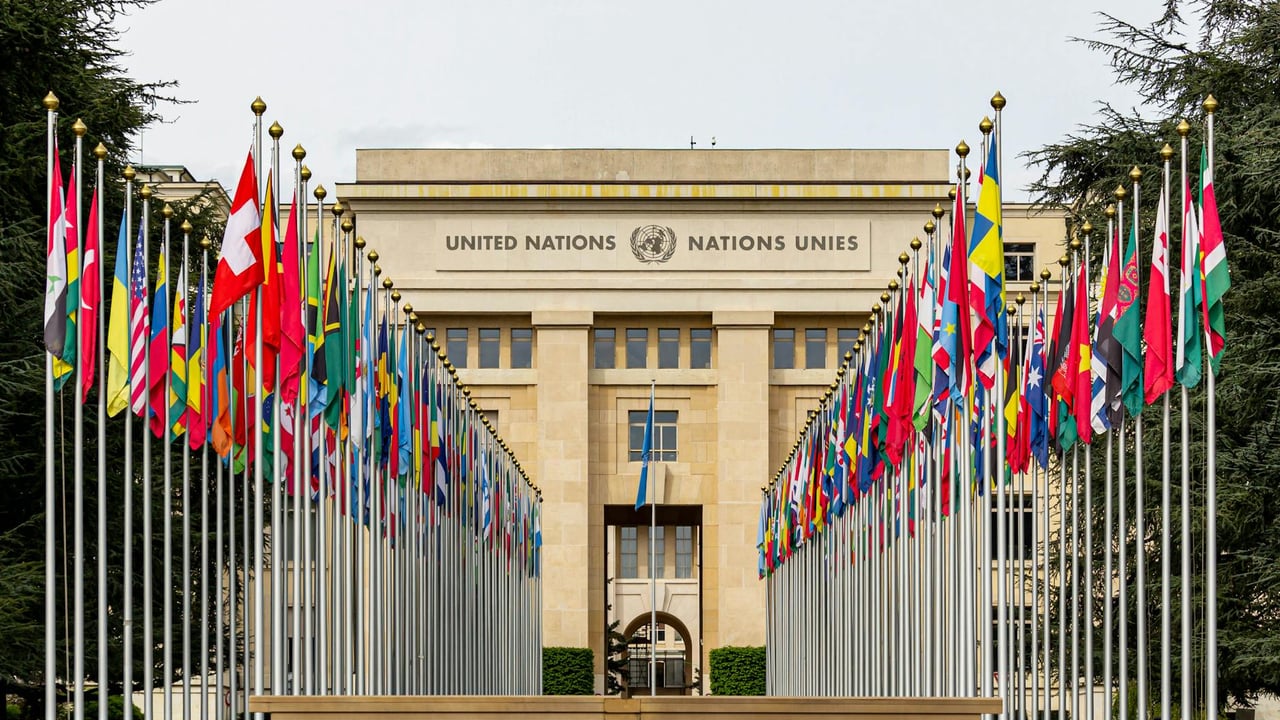

The long-simmering tension over international institutional funding has reached a new boiling point as Beijing directly challenged Washington’s moral authority on the global stage. Following renewed efforts by the United States to exert pressure on Chinese influence within multilateral organizations, the Chinese Ministry of Foreign Affairs issued a blunt ultimatum. The message from Beijing was clear: the United States must clear its substantial membership arrears before it can credibly lecture the international community.
This rhetorical counter-offensive targets a long-standing grievance in high-level diplomacy. For decades, the United States has remained one of the largest debtors to the United Nations and other international bodies, often utilizing the withholding of dues as a strategic lever to demand internal reforms. Beijing, which has rapidly climbed the ranks to become the second-largest contributor to the UN budget, is now leveraging its timely payments to claim the mantle of the world’s most "responsible power."
The timing of this exchange is significant, occurring as both superpowers vie for leadership roles within specialized agencies governing everything from global health to emerging technology standards. By highlighting the billions of dollars in unpaid American assessments, China aims to undermine the legitimacy of U.S. criticisms regarding governance and transparency. In Beijing's view, Washington cannot act as a rule-maker while simultaneously being the system's most prominent fiscal rule-breaker.
For global observers, this spat signals a transition from purely ideological debates to the cold mechanics of institutional control. As Washington navigates domestic budgetary gridlock and shifting political priorities, its ability to influence the international order through financial presence has faced unprecedented challenges. Beijing appears ready to fill this vacuum, using its checkbook and a narrative of fiscal rectitude to reshape the norms of global governance in its own image.