
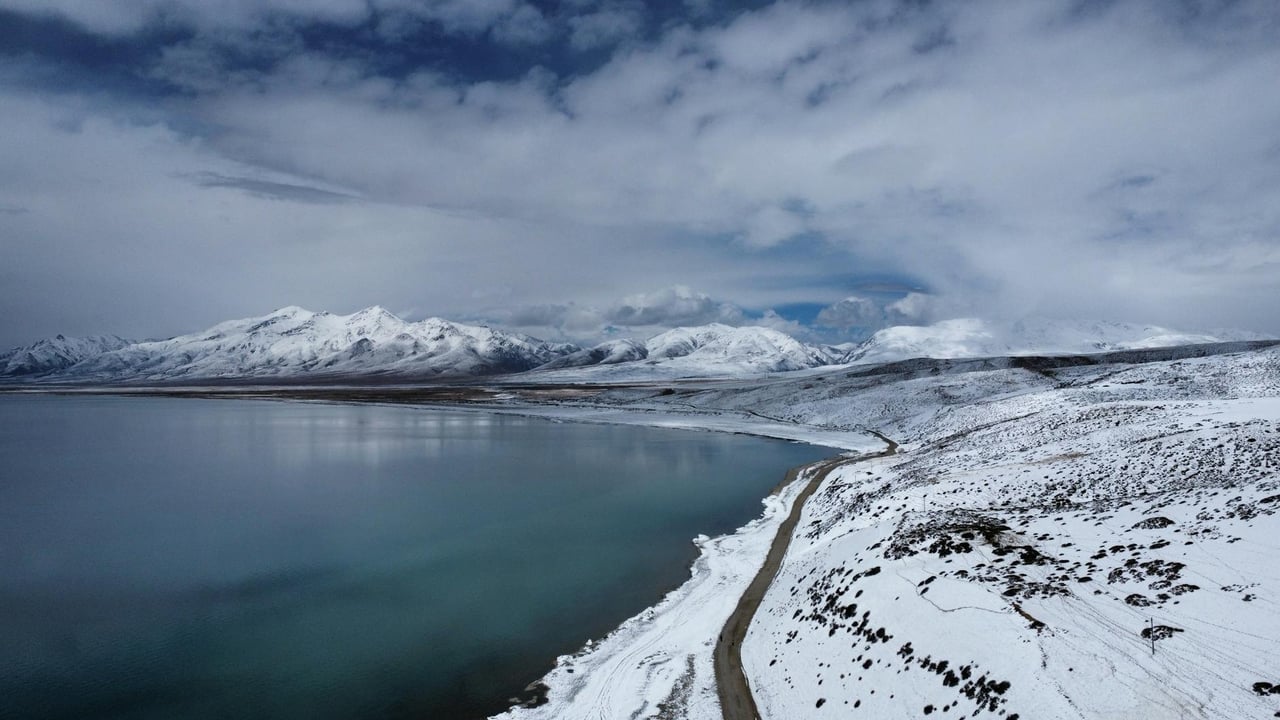

In the high-altitude reaches of Tibet’s Ngari Prefecture, the arrival of spring is a subtle shift, marked by the faint greening of branches against a backdrop of unforgiving peaks. In Diya Village, located just three kilometers from the sensitive border with India, 59-year-old Tsering Norbu represents a living link in a multi-generational chain of frontier defense. For him, border security is not merely a military objective but a family legacy, symbolized by the 'Urdo'—the traditional Tibetan yak-hair sling used by nomadic herders to guide sheep and, occasionally, to deter intruders.
Tsering Norbu’s commitment to this rugged landscape began with his father, who helped the People’s Liberation Army establish a foothold in the region during the early years of the People’s Republic. This legacy of 'defending the home' was solidified during Norbu’s own 15-year military career, where he patrolled high-altitude passes exceeding 5,500 meters. His transition from a professional soldier to a civilian sentinel in 1999 reflects a broader Chinese strategy: the integration of local populations into the national security apparatus to create a permanent, civilian-led buffer zone.
During the 1990s, Norbu gained local fame for his role in recovering stolen Thangka paintings from foreign smugglers, an event that fused his religious identity with his duty to the state. This incident served as a catalyst for his belief that border defense requires constant vigilance from those who know the terrain best. Upon returning to his village, he resumed the life of a herder, using his daily grazing routes to conduct unofficial surveillance along the ridgelines, effectively turning his flock into a mobile observation post.
Today, as the village Party Secretary, Norbu is overseeing a transition from individual patrol efforts to a more institutionalized community defense model. The 'Solidifying the Border and Enriching the People' policy has transformed Diya from a dwindling settlement into a hub of activity. Modern infrastructure, including asphalt roads and telecommunications, now connects this remote outpost to the wider world, while collective economic projects like brick factories provide the financial incentive for the younger generation to remain on the front lines.
The challenge for Norbu is ensuring the longevity of this human wall amidst shifting demographics. He has actively worked to integrate migrant families from even higher altitudes, sharing his own land to help them settle. By mentoring university graduates like Sonam Sangmu and encouraging his own son to enlist in the border guard, Norbu is ensuring that the 'Urdo'—and the strategic responsibility it represents—is passed to a new generation of Tibetans who see their personal prosperity as inextricably linked to national sovereignty.