Routine Sovereignty: China’s Southern Theater Command Projects Naval Power in the South China Sea

The PLA Southern Theater Command conducted a routine naval patrol in the South China Sea on April 28, 2026, to assert maritime presence. These operations are part of a broader strategy to normalize Chinese military dominance in the region and deter regional rivals.

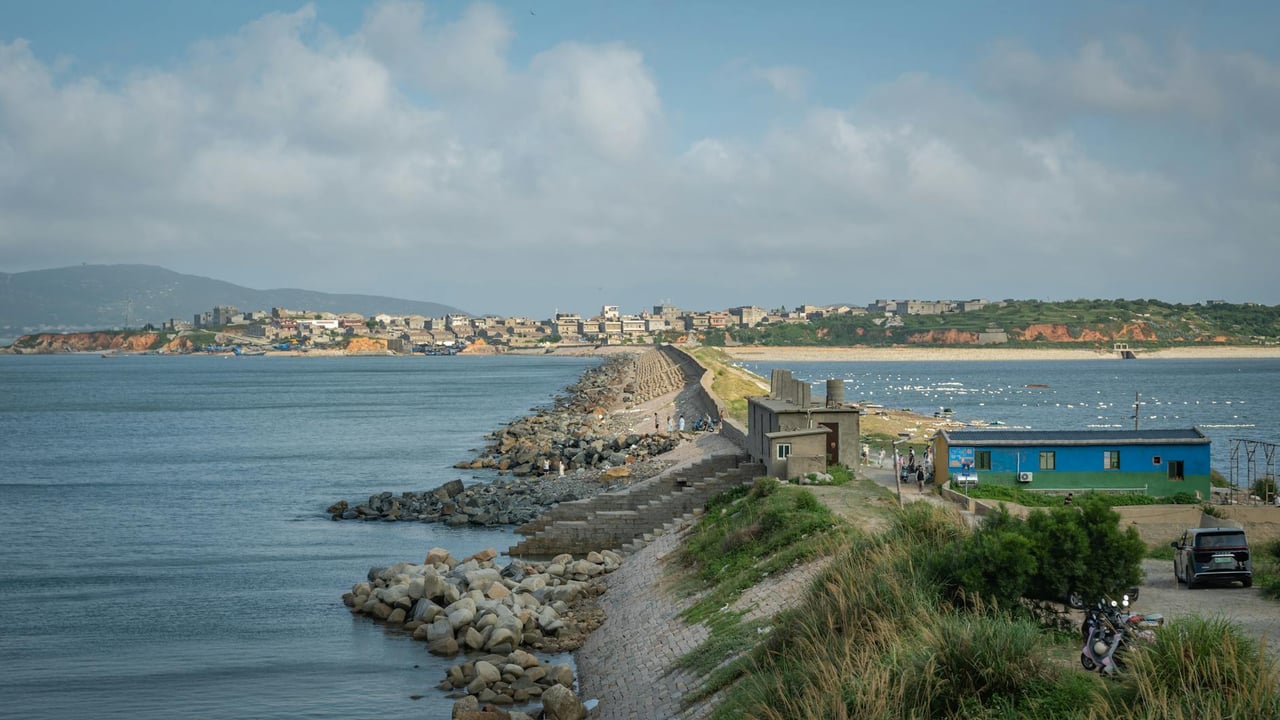
Explore the picturesque coastal breakwater in Fuzhou, China, surrounded by serene ocean views and distant townscape.

Key Takeaways

  • 1The PLA Southern Theater Command Navy carried out a scheduled routine patrol in the South China Sea on April 28, 2026.
  • 2The mission is part of an ongoing effort to normalize Chinese military operations in contested maritime zones.
  • 3Official rhetoric emphasizes the routine nature of the patrol to project stability and administrative control.
  • 4The patrol serves as a strategic counterweight to increased naval activity from the United States and its regional partners.

Editor's
Desk

Strategic Analysis

The deployment of the Southern Theater Command’s naval assets is a clear example of 'presence as policy.' By shifting from reactive deployments to a steady state of 'routine' patrols, Beijing is effectively implementing a strategy of exhaustion against other claimants. This approach avoids immediate escalation while gradually shifting the status quo in China's favor. For the international community, the significance lies not in the specific tactics of this single patrol, but in its frequency and the message of permanence it conveys. As the PLA continues to refine its ability to sustain long-term operations far from the mainland, the window for diplomatic resolution of maritime disputes appears to be narrowing in favor of de facto military control.

China Daily Brief Editorial
Strategic Insight
China Daily Brief

The People’s Liberation Army (PLA) Southern Theater Command announced on April 28 that its naval forces conducted a scheduled routine patrol across the South China Sea. While the official communication from the theater’s spokesperson was characteristically brief, the maneuver serves as a pointed reminder of Beijing’s persistent military footprint in the region's contested waters.

These operations have become a cornerstone of China's maritime strategy, aimed at normalizing the presence of the PLA Navy in areas where territorial disputes remain high. By labeling these missions as routine, the Southern Theater Command seeks to establish a permanent operational baseline that challenges the presence of extra-regional powers and local claimants alike.

International observers view these maneuvers through the lens of a broader geopolitical competition, particularly as the United States and its allies increase their freedom of navigation operations. The frequency of these patrols ensures that the PLA maintains high levels of combat readiness while simultaneously exerting psychological pressure on neighboring nations such as the Philippines and Vietnam.

As the South China Sea remains one of the world's most critical maritime corridors, the continuation of such patrols highlights a strategic commitment to maritime control. The timing of this patrol, though framed as standard procedure, reinforces China's stance that its naval reach is non-negotiable and will continue to expand in scope and technical capability.

Share Article

Related Articles

📰
No related articles found