

A significant rift in the official narrative of the ongoing conflict with Iran emerged this week as U.S. Secretary of State Marco Rubio admitted that Tehran retains approximately half of its pre-war missile stockpile. This assessment, delivered during an interview with Fox News, directly contradicts President Donald Trump’s recent assertions that the Islamic Republic’s arsenal was nearly exhausted. While Rubio maintained that Iran’s conventional military infrastructure—including its air force, navy, and manufacturing plants—has been effectively neutralized, the persistent missile threat suggests a much higher degree of resilience than previously touted by the White House.
Internal intelligence assessments further complicate the administration’s messaging. A recent report cited by the New York Times suggests that as much as 70% of Iran’s pre-war missile inventory may actually remain intact, casting doubt on the efficacy of recent precision strike campaigns. The discrepancy between the President’s 'mission accomplished' rhetoric and his Secretary of State’s more cautious data indicates a potential intelligence gap or a strategic attempt by the State Department to manage expectations as the conflict enters a delicate diplomatic phase.
Tehran has seized this moment of tactical ambiguity to propose a new, two-tiered negotiation framework. Under the proposed plan, Iran and the United States would first reach an agreement to end hostilities and reopen the Strait of Hormuz before moving to a separate track for nuclear discussions. This sequencing appears designed to provide Iran with immediate economic relief and security guarantees while pushing the more contentious nuclear file—the primary U.S. strategic objective—further down the road.
Washington’s response to this olive branch has been decidedly chilly, particularly regarding the maritime security component. Secretary Rubio explicitly rejected Iran’s vision for the Strait of Hormuz, describing it as an unacceptable 'pay-to-pass' scheme. The U.S. administration maintains that free and open navigation cannot be contingent on Iranian permission or the payment of transit fees, which Rubio characterized as a form of state-sponsored extortion.
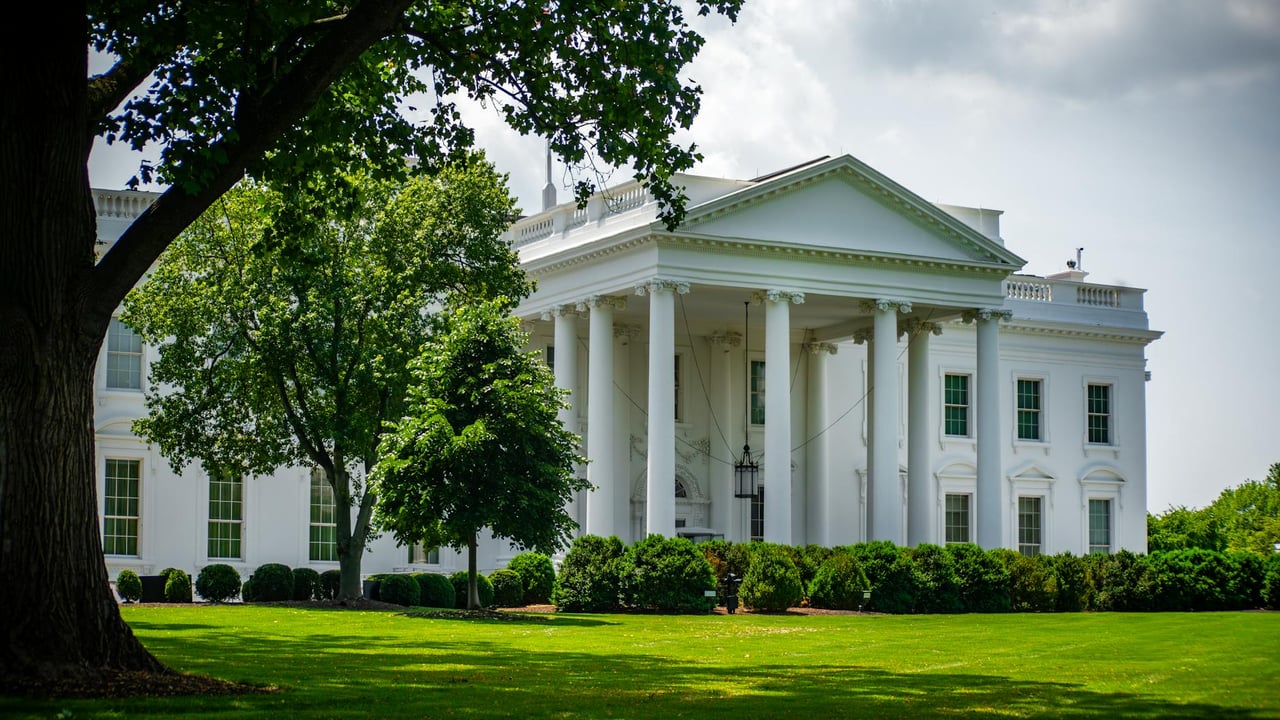
At the White House, the National Security team remains deeply divided over the path forward. While Press Secretary Karoline Leavitt confirmed that the President is reviewing the proposal, reports suggest that Trump is dissatisfied with the omission of immediate nuclear concessions. As the administration weighs its next move, the reality of Iran's remaining asymmetric capabilities serves as a stark reminder that military dominance has yet to translate into a definitive geopolitical surrender.