
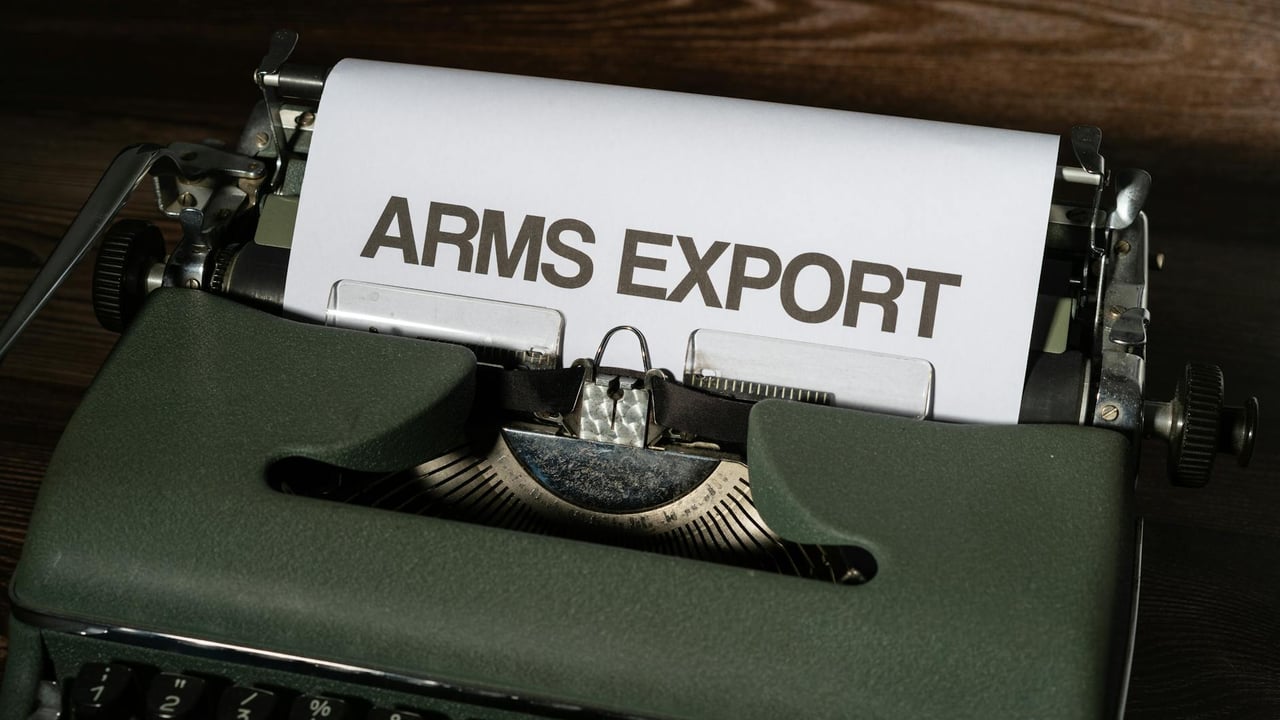

For eight decades, Japan’s post-war identity has been anchored in the rigid constraints of its 'Peace Constitution,' a document that famously renounced the right to wage war and strictly limited the reach of its military. However, a recent cabinet resolution to overhaul the 'Three Principles on Transfer of Defense Equipment and Technology' signals a definitive end to that era. By authorizing the export of lethal weapons and allowing sales to nations currently engaged in active conflicts, Tokyo is effectively dismantling the legal and moral barriers that once defined its pacifist stance.
This policy shift is not merely a technical adjustment; it is a profound reorientation of Japan's role in the global security architecture. Under the new guidelines, Japan can now supply sophisticated weaponry to third parties, provided they meet specific National Security Council approvals. This includes the potential transfer of interceptor missiles and next-generation fighter jets, marking a significant departure from the 'prohibitory' spirit of Article 9 and the post-WWII international orders established by the Potsdam Proclamation.
The geopolitical ramifications are immediate and concentrated in the Indo-Pacific. By focusing its arms exports on 'contradiction hotspots' in the region, Japan is attempting to reshape the military balance of power through a combination of defense cooperation and hardware output. Critics argue that this proactive stance risks triggering a regional arms race, as neighboring states may feel compelled to bolster their own arsenals in response to Tokyo’s newfound role as a primary arms supplier.
Beyond regional dynamics, the move facilitates a deeper integration between Japan and the Western security apparatus. Tokyo is already moving to return 'Patriot' air defense missiles to the United States and is collaborating with the United Kingdom and Italy on a next-generation stealth fighter. By enhancing 'interoperability' with its allies, Japan is positioning itself as a critical node in a global defense network, a move that critics suggest will further entrench 'bloc politics' and reduce the space for multilateral diplomatic mediation.
Domestically, the decision has been met with concern over the bypass of traditional democratic scrutiny. The executive-led push for these changes occurred with minimal parliamentary debate, sidestepping opposition queries and public skepticism. This 'fast-tracking' of military normalization threatens to fracture the long-standing domestic consensus on pacifism, potentially leading to social instability as Japan moves toward becoming a 'military-industrial power' with a self-sustaining defense economy.