
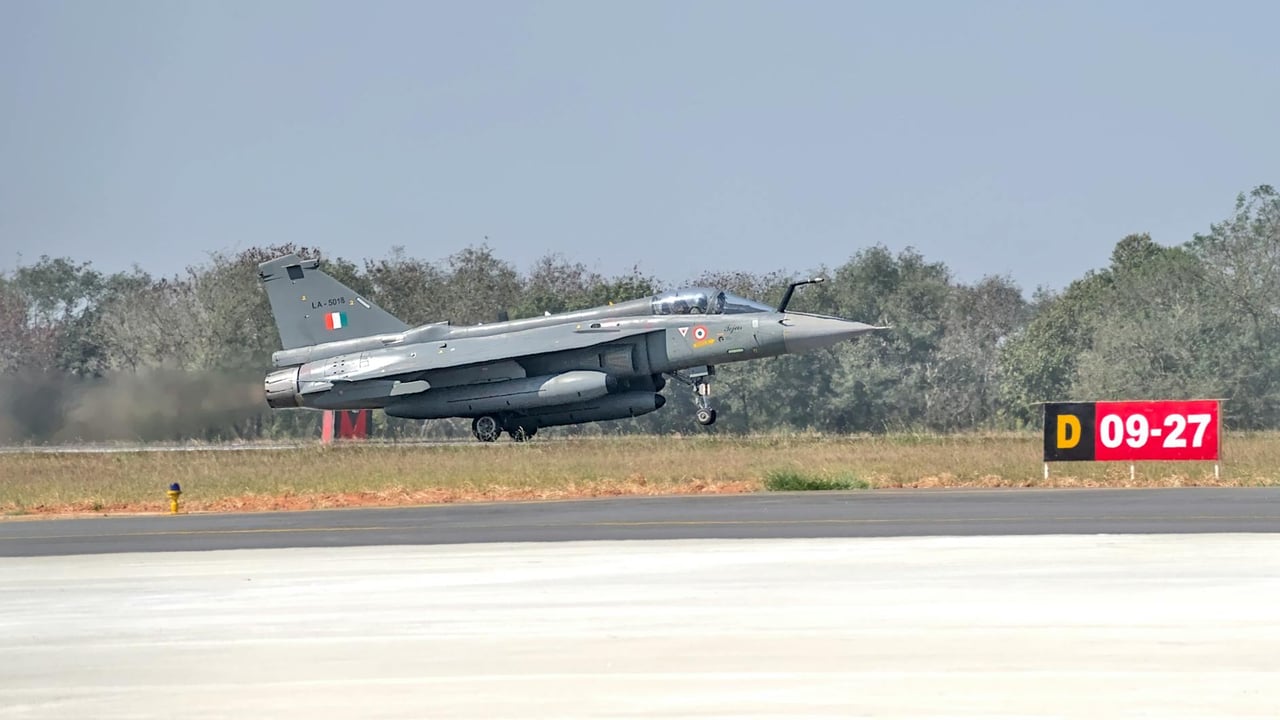

The skies over India are set to host a significant milestone this year as the Tejas Mk2, the latest iteration of the country’s indigenous Light Combat Aircraft, prepares for its maiden flight. This development represents more than just a modernization of the Indian Air Force; it serves as a tangible manifestation of a deepening strategic alignment between New Delhi and Washington. Central to this flight is the integration of the General Electric F-414 engine, a sophisticated piece of hardware that marks a historic shift in how the United States shares its most guarded military technologies.
The agreement to co-produce these engines on Indian soil is a watershed moment for the "Make in India" initiative, signaling a departure from India’s long-standing reliance on Russian military hardware. By securing access to the F-414—the same engine that powers the U.S. Navy’s F/A-18 Super Hornets—India is not only upgrading its tactical capabilities but also embedding itself within a Western-centric defense ecosystem. This technology transfer represents the first time the U.S. has shared such sensitive jet engine expertise with a non-treaty ally, underscoring the urgency both nations feel in the face of rising regional tensions.
For the Indian Air Force, the Tejas Mk2 is intended to be the backbone of its medium-weight fighter fleet, filling the gap between the smaller Mk1 and the heavier, twin-engine jets. With increased payload capacity, improved range, and state-of-the-art avionics, the Mk2 is designed to address the multifaceted challenges of 21st-century aerial warfare. The success of this maiden flight will be a critical bellwether for India’s ability to transition from a major arms importer to a self-reliant defense manufacturer.
Beyond the technical specifications, the Tejas Mk2 program is a cornerstone of the broader Indo-Pacific security architecture. As New Delhi looks to modernize its aging squadrons, the partnership with GE Aerospace provides a roadmap for future collaborations in high-tech sectors. This transition is fraught with technical hurdles and bureaucratic complexities, but the momentum behind the Tejas Mk2 suggests that the geopolitical gravity is pulling India and the United States closer than ever before.