
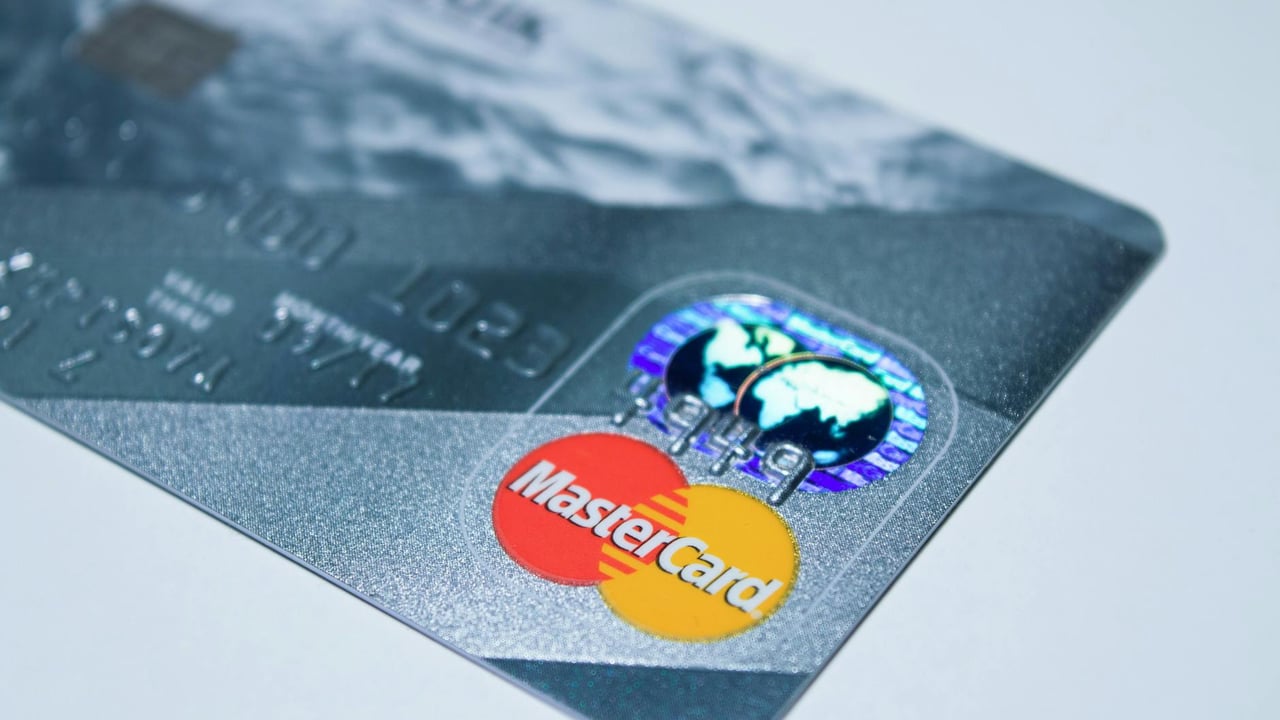

For over a decade, the credit card was a symbol of China’s rising middle class and its pivot toward a consumption-driven economy. However, the tide has turned sharply, with over 100 million credit cards disappearing from the market in just four years. By the end of 2025, the total number of cards in circulation fell below the 700 million mark, a stark decline from the peak of 800 million seen in 2021.
This contraction reflects a fundamental shift in consumer psychology and the structural health of the banking sector. Individuals who once juggled multiple cards for various perks are now streamlining their finances to avoid annual fees and the logistical headache of tracking multiple payment cycles. For many, the credit card has transitioned from a status symbol to a liability, particularly as the novelty of 'reward points' fades.
The banking industry is feeling the weight of this retreat, as even the world’s largest lenders report shrinking transaction volumes and mounting losses. Industrial and Commercial Bank of China (ICBC), long a dominant force in the market, saw its credit card non-performing loan (NPL) rate surge to a staggering 4.61% in 2025. This nearly doubles its 2023 levels and highlights a deteriorating credit environment among retail borrowers.
The rise of domestic fintech platforms like Alipay’s Huabei and WeChat Pay has further eroded the traditional credit card’s value proposition. These platforms offer seamless integration with daily life, making the physical plastic card and its cumbersome activation processes feel like a relic of the past. For the modern Chinese consumer, the convenience of digital credit outweighs the increasingly diluted perks of traditional banking.
Regulators have also stepped in to curb the industry’s reckless expansion. New mandates now prohibit banks from using card issuance volume as a primary performance metric and require the suspension of new card offerings if 'sleeping' or inactive accounts exceed 20%. This forced 'dieting' is part of a broader push to prevent systemic risk as household debt becomes a more pressing concern for Beijing.
In response, banks are pivoting their strategy from mass-market acquisition to the pursuit of high-quality assets. Lenders are now aggressively targeting 'premium' customers at high-end retailers like Sam's Club or focusing on niche markets like electric vehicle financing. This shift suggests that the era of the universal credit card is over, replaced by a more fragmented and risk-averse lending landscape.