
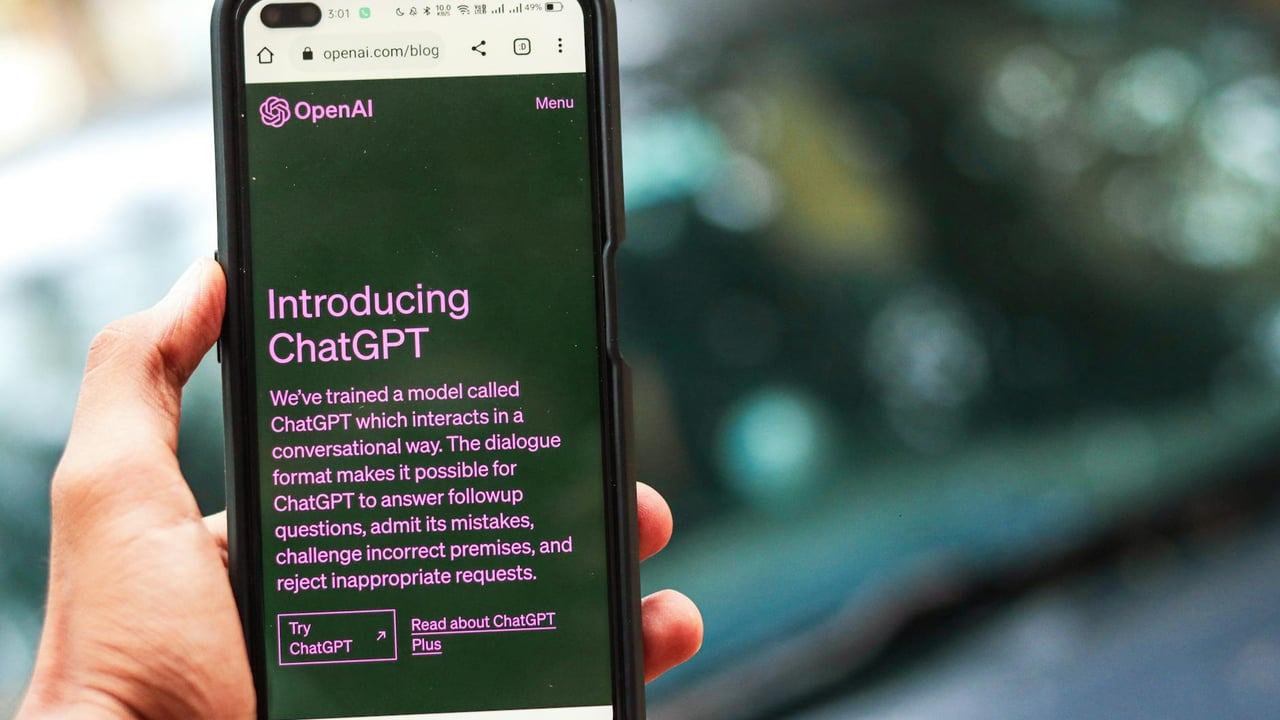

The tech world’s most consequential alliance is entering a period of significant cooling. Recent reports indicate that Microsoft is officially relinquishing its exclusive sales rights for OpenAI products, marking a symbolic 'divorce' in a partnership that has dominated the generative AI landscape for years. This shift suggests that Microsoft is looking to diversify its AI portfolio while OpenAI seeks more direct avenues for monetization.
Behind this strategic distancing lies a sobering fiscal reality. Internal data reveals that OpenAI has failed to meet its critical benchmarks for both weekly active users and monthly revenue. Despite the global hype surrounding GPT-4 and its successors, the pace of adoption appears to be slowing, raising questions about the sustainability of the current 'growth at all costs' model favored by Silicon Valley.
Adding to the pressure, OpenAI’s Chief Financial Officer has reportedly voiced dire concerns regarding the company’s long-term financial health. The primary culprit is the astronomical cost of computing power. As model complexity grows, the expense of securing high-end GPUs and maintaining vast data centers has reached a point where the CFO warns the company may eventually find itself 'compute-poor,' unable to afford the infrastructure required for future breakthroughs.
The repercussions are already being felt across global markets. Shares of SoftBank plummeted nearly 12% following the news, while hardware giants like AMD and cloud providers like Oracle also saw significant pullbacks. This market volatility underscores the fragility of the AI-driven bull run, as investors begin to realize that even the industry’s vanguard is not immune to the laws of financial gravity.