A Fracturing Cartel and a High-Tech Pivot: The UAE Exits OPEC as China Doubles Down on 'AI+'

The UAE's exit from OPEC marks a turning point in global energy geopolitics, coinciding with China's strategic shift toward an AI-driven economy and a crackdown on domestic 'involutionary' competition. As traditional manufacturing faces margin pressure, Beijing is doubling down on high-tech infrastructure and Global South trade alliances.

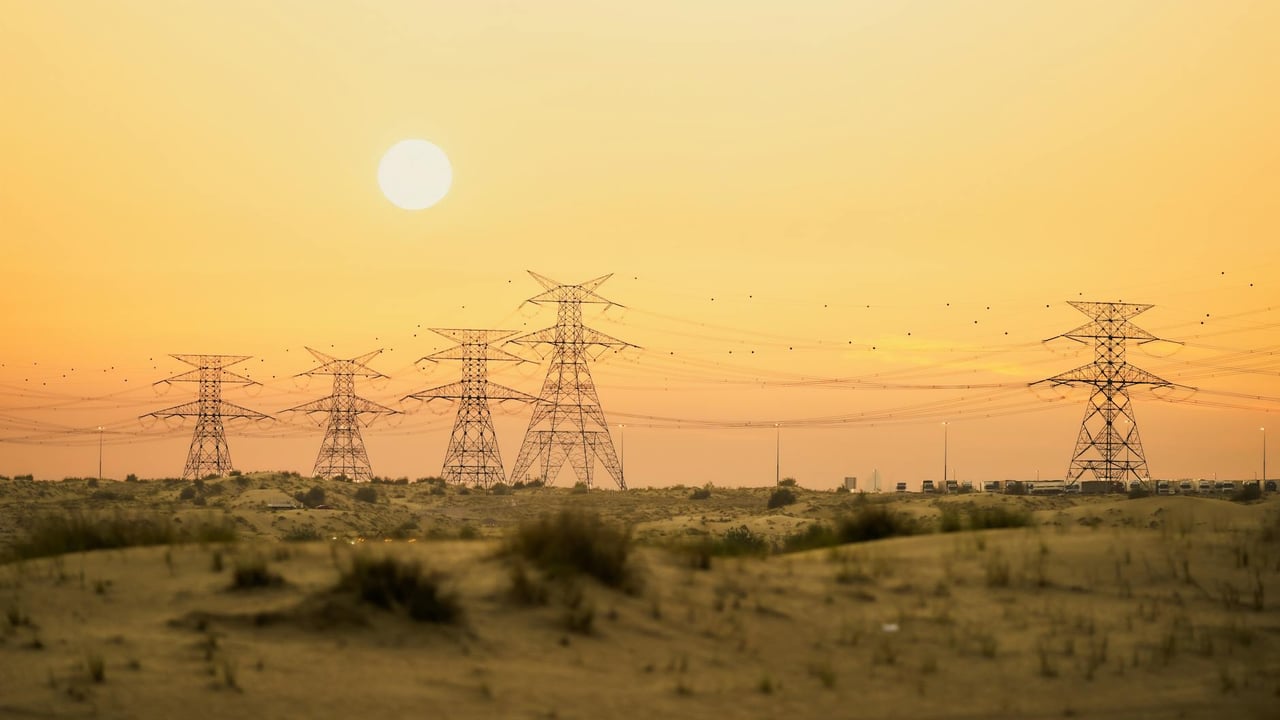
Sunset view of power lines in the Dubai desert, merging nature with technology.

Key Takeaways

  • 1The UAE will exit OPEC and OPEC+ on May 1st to pursue independent production increases, weakening the cartel's collective influence.
  • 2China's Politburo has introduced the 'AI+' action plan and a mandate to end 'involutionary' price-cutting competition in domestic markets.
  • 3Corporate earnings show a stark divide: BYD's profits fell 55% due to EV price wars, while AI-focused Foxconn Industrial Internet saw a 102% profit surge.
  • 4China is expanding its zero-tariff policy to 20 more African nations, cementing its role as the primary trade partner for the Global South.
  • 5Infrastructure development is being prioritized in 'new' areas: computing power, smart grids, and next-generation communication networks.

Editor's
Desk

Strategic Analysis

The simultaneous occurrence of the UAE’s OPEC exit and China’s 'AI+' pivot represents a transition from a 20th-century resource-dependency model to a 21st-century technology-dependency model. Abu Dhabi is betting that its future lies in being a nimble, high-output energy hub rather than a restricted member of a slowing cartel. Meanwhile, Beijing's move to suppress 'involution'—the self-destructive competition that has gutted the margins of firms like BYD—is a necessary admission that overcapacity is hindering its transition to a 'High-Quality Development' phase. The 'AI+' initiative is not just a slogan; it is a state-led attempt to escape the middle-income trap by embedding intelligence into the very fabric of the nation’s infrastructure. Investors should expect a sustained capital migration from traditional manufacturing into the 'compute and grid' sectors as these policies take hold.

China Daily Brief Editorial
Strategic Insight
China Daily Brief

The global energy and economic landscape underwent a seismic shift this week as the United Arab Emirates (UAE) formally announced its departure from OPEC and the wider OPEC+ alliance, effective May 1st. Citing strategic autonomy and the need to scale up domestic production, Abu Dhabi’s exit marks a historic break from the Saudi-led cartel. This move signals a growing divergence in Middle Eastern energy strategies, where the UAE is increasingly prioritizing long-term infrastructure and trade flexibility over collective price-setting.

Parallel to this geopolitical tremor, Beijing has signaled a major recalibration of its domestic economic engine. At a high-level Politburo meeting chaired by Xi Jinping, China’s leadership pledged to launch a national 'Artificial Intelligence +' initiative while simultaneously vowing to eradicate 'inward-looking' or 'involutionary' competition. This policy pivot aims to redirect the nation’s industrial might from redundant price wars toward high-value technological frontiers, specifically focusing on advanced computing networks and smart power grids.

The corporate sector is already reflecting these divergent fortunes. While the electric vehicle giant BYD saw its first-quarter profits tumble by over 50% amidst a bruising domestic price war, AI-adjacent firms are flourishing. Foxconn Industrial Internet reported a doubling of its quarterly profit, driven by the insatiable global demand for AI server hardware. This contrast underscores Beijing’s urgency in moving past the 'involution' phase of its manufacturing cycle to a more sustainable, high-tech growth model.

Furthermore, China is strengthening its ties with the Global South through aggressive trade liberalization. The announcement of zero-tariff status for an additional 20 African nations by 2026 reflects a strategic effort to secure raw materials and export markets outside the Western sphere. By combining high-tech domestic reform with expanded diplomatic trade blocs, Beijing is attempting to insulate its economy from external shocks while the traditional energy order in the Middle East begins to fray.

Share Article

Related Articles

📰
No related articles found