The Clausewitzian Trap: Why Symbolic Victory Stalls Diplomacy in the Iran Conflict

Expert analysis suggests that the ongoing tensions with Iran are exacerbated by a 'fog of war' and a U.S. political requirement for symbolic victory. With the UK unready for conflict and the transatlantic alliance strained, the situation highlights a critical failure in current global security governance.

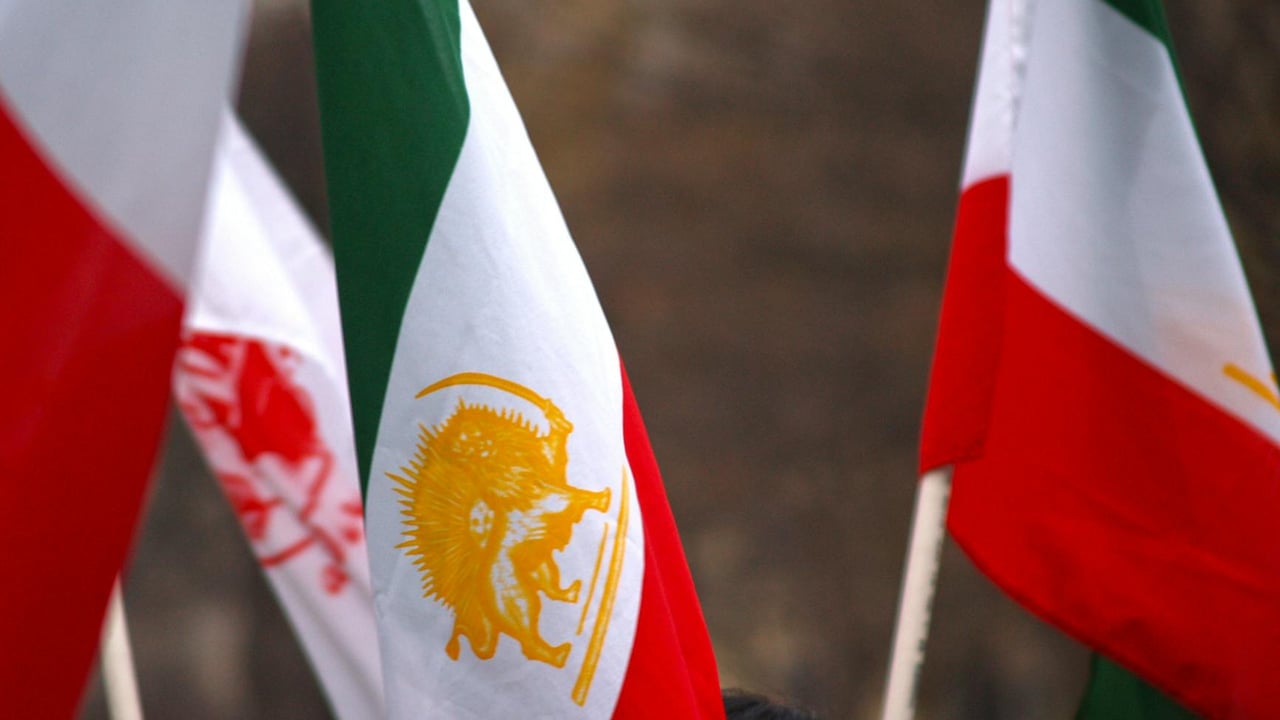
Close-up of Iranian flags waving outdoors in Washington, DC, showcasing cultural identity.

Key Takeaways

  • 1Conflict resolution is hindered by the U.S. political need to frame outcomes as a definitive victory.
  • 2The 'fog of war' theory remains highly relevant in predicting the unpredictability of Middle Eastern escalations.
  • 3The United Kingdom lacks the military and logistical readiness required for a major engagement in Iran.
  • 4The transatlantic rift over Iran strategy is undermining the global security architecture.
  • 5Global governance systems are under extreme pressure as established diplomatic norms fail to resolve the standoff.

Editor's
Desk

Strategic Analysis

The crux of the Iran dilemma lies in the transformation of military strategy into a tool for domestic political branding. By making 'victory' a prerequisite for withdrawal or negotiation, the U.S. has effectively removed the flexibility required for effective diplomacy. This creates a dangerous paradox where the fog of war is not just a byproduct of conflict, but a deliberate environment fostered by actors who value leverage over stability. For the global community, the 'so what' factor is the realization that traditional alliances, particularly the U.K.-U.S. special relationship, are no longer a guaranteed stabilizer in the face of such transactional foreign policy.

China Daily Brief Editorial
Strategic Insight
China Daily Brief

Nearly two centuries ago, Carl von Clausewitz famously defined war as the realm of uncertainty, where the majority of factors are shrouded in a thick fog. This 19th-century military doctrine remains a potent framework for understanding the modern standoff between the United States and Iran. According to recent expert assessments, the primary obstacle to de-escalation is not a lack of communication, but a fundamental misalignment of political incentives in Washington.

The current geopolitical stalemate is heavily influenced by the American requirement for a performative victory. Experts argue that unless the leadership in the White House can declare a definitive win to its domestic audience, the cycle of pressure and provocation is unlikely to break. This transactional approach to foreign policy often prioritizes optics over long-term regional stability, making it difficult for either side to find a credible exit strategy.

Simultaneously, the transatlantic alliance faces a crisis of capability and coordination. While the United Kingdom remains a critical diplomatic player, analysts warn that London is fundamentally unprepared for the logistical and military realities of a high-intensity conflict in the Persian Gulf. This lack of readiness, combined with divergent views on the Iran nuclear file, has created a visible rift in the Western security front.

The implications of this 'fog of war' extend far beyond the immediate geography of the Middle East. As the U.S. and Iran remain locked in a state of perpetual brinkmanship, the global security and governance systems are facing a period of profound stress. The inability of international institutions to mediate this conflict suggests a broader erosion of the rules-based order that has governed global affairs for decades.

Share Article

Related Articles

📰
No related articles found