Europe’s Hard-Learned Lesson: The €27 Billion Cost of Middle East Volatility

EU Commission President Ursula von der Leyen revealed that the U.S.-Israel-Iran conflict has forced the EU to spend an additional €27 billion on energy imports. In response, the bloc is accelerating its shift toward nuclear and renewable energy while expanding joint gas procurement to ensure long-term energy sovereignty.

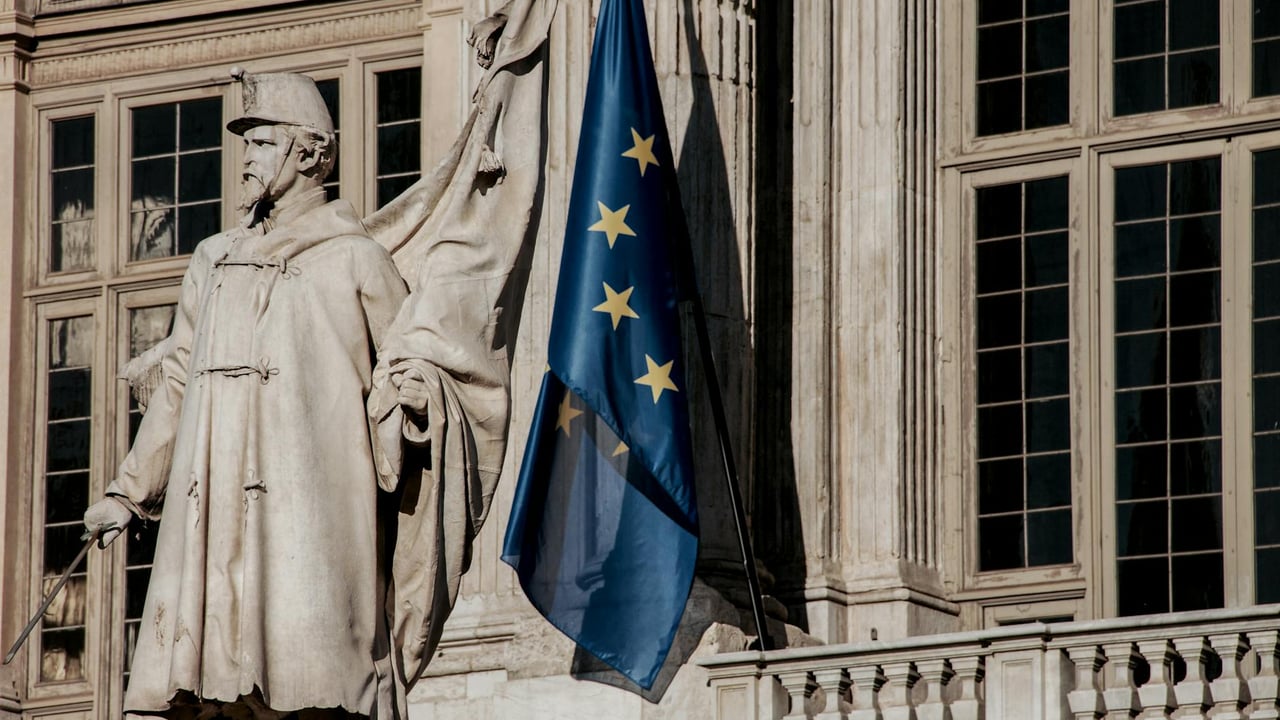
European Union flag waving beside a historic statue on stone building facade.

Key Takeaways

  • 1The Middle East conflict has added over €27 billion to the EU’s fossil fuel import bill in just 60 days.
  • 2President von der Leyen warns that the regional instability could persist for months or even years.
  • 3This marks the second major energy crisis for the European Union within a four-year period.
  • 4Brussels is prioritizing a shift toward nuclear energy and renewables to reduce reliance on external fossil fuels.
  • 5The EU plans to expand joint gas procurement to stabilize the market and increase collective bargaining power.

Editor's
Desk

Strategic Analysis

The €27 billion 'conflict tax' represents more than just a fiscal hurdle; it is a catalyst for the permanent restructuring of the European economy. For decades, the EU prioritized market efficiency, but the twin shocks of the 2020s have elevated 'security of supply' to the apex of the political hierarchy. By explicitly naming nuclear power alongside renewables, von der Leyen is signaling the end of the ideological rift over the energy mix, acknowledging that a carbon-neutral Europe must be a self-reliant one. This shift toward joint procurement and centralized energy policy suggests the Commission is using this crisis to further integrate the internal market, effectively transforming energy into a communal competency similar to trade or currency.

China Daily Brief Editorial
Strategic Insight
China Daily Brief

European Commission President Ursula von der Leyen’s recent admission that the Middle East conflict has cost the bloc €27 billion in extra energy spending underscores a painful reality: Europe remains dangerously exposed to global geopolitical shocks. This massive surcharge, accumulated in just over 60 days of hostilities involving the U.S., Israel, and Iran, highlights the fragility of a continent that has yet to fully decouple its economy from volatile foreign fossil fuels.

The current crisis is not an isolated event but the second major energy shock to hit the Union in just four years. Following the structural shift necessitated by the war in Ukraine, this new regional conflict threatens to stretch into a multi-year ordeal, forcing Brussels to rethink its long-term industrial and security strategy. Von der Leyen’s rhetoric marks a pivot toward permanent crisis management rather than temporary relief measures.

To mitigate these risks, the Commission is doubling down on a dual-track approach of diversification and decarbonization. The goal is no longer just a "green transition" for the sake of climate targets, but "energy sovereignty" for the sake of economic survival. This includes a massive scale-up of renewable infrastructure and, notably, a renewed embrace of nuclear power as a baseline necessity for the European grid.

Furthermore, the EU is institutionalizing its defensive market strategies by expanding joint gas procurement systems. By leveraging its collective bargaining power, the bloc hopes to prevent internal bidding wars and stabilize prices against the backdrop of a prolonged Middle East stalemate. For Brussels, the era of cheap, reliable energy imports is over, replaced by a strategic imperative to build a self-sufficient energy fortress.

Share Article

Related Articles

📰
No related articles found