Starch and Sovereignty: Beijing Rebukes Taipei Over U.S. Sprouted Potato Imports

Beijing's Taiwan Affairs Office has condemned the DPP for allowing the import of U.S. sprouted potatoes, calling it a threat to public health. The move is part of a broader strategy by China to use food safety issues to criticize Taiwan's deepening trade ties with the United States.

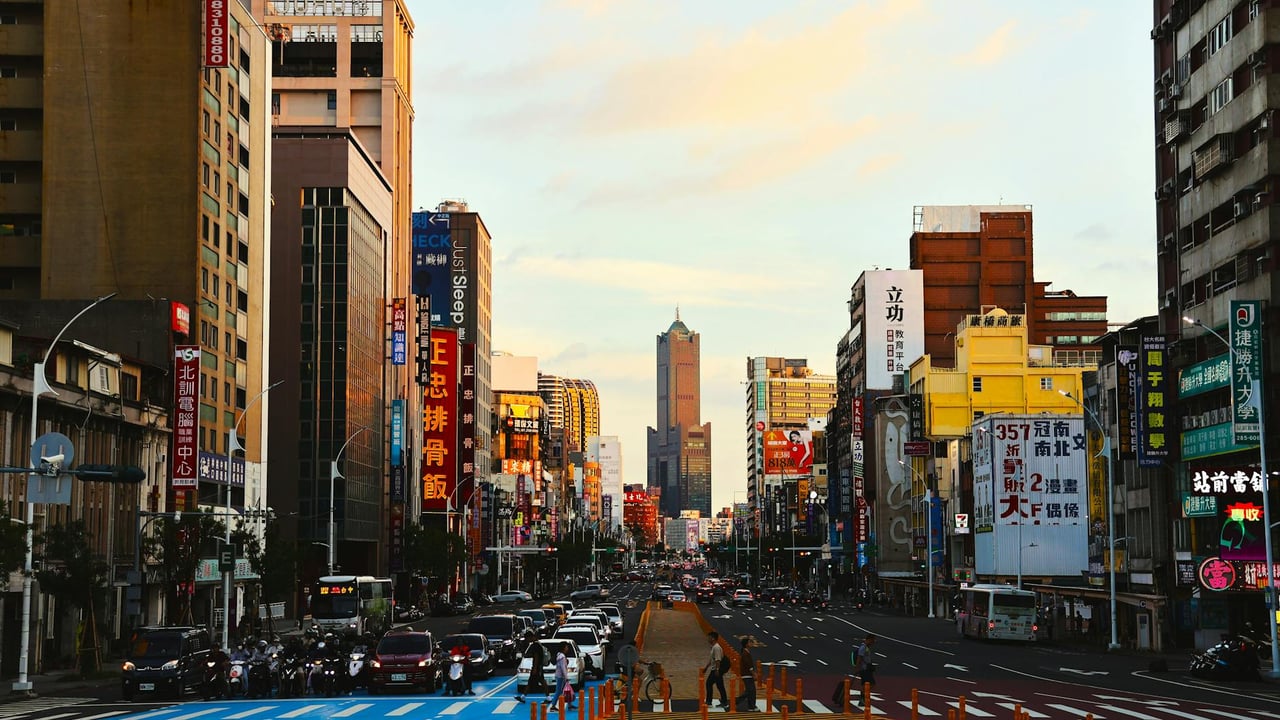
Explore the bustling streets of Kaohsiung, Taiwan, captured in stunning evening light.

Key Takeaways

  • 1The TAO accused the DPP of harming the Taiwanese public by relaxing standards on U.S. sprouted potato imports.
  • 2Beijing frames the trade concession as a political move by Taipei to appease Washington at the expense of citizens.
  • 3Food safety has become a recurring flashpoint in cross-strait relations, often used to incite domestic opposition in Taiwan.
  • 4The controversy highlights the tension between Taiwan's trade diversification efforts and Beijing's narrative of DPP incompetence.
  • 5The issue of solanine levels in sprouted potatoes provides a technical basis for Beijing's politically charged rhetoric.

Editor's
Desk

Strategic Analysis

Beijing’s aggressive reaction to Taiwan's potato imports is a calculated attempt to exploit the 'food safety' trope, which has historically been a potent wedge issue in Taiwanese domestic politics. By framing the DPP as a 'vassal' that accepts substandard goods from the U.S. to maintain diplomatic favor, the TAO is engaging in a sophisticated disinformation and influence operation. This strategy aims to erode public trust in the Taiwanese government’s ability to protect its citizens, while simultaneously casting the U.S.-Taiwan partnership as an inherently exploitative relationship. For international observers, this underscores how technical trade barriers and sanitary standards are being integrated into China's broader 'gray zone' tactics against Taiwan.

China Daily Brief Editorial
Strategic Insight
China Daily Brief

Beijing’s Taiwan Affairs Office (TAO) has once again leveled sharp criticism at the Democratic Progressive Party (DPP) in Taipei, this time focusing on an unlikely battleground: the humble potato. The controversy stems from reports that Taiwan will permit the import of sprouted potatoes from the United States, a move the TAO claims exemplifies the DPP’s willingness to sacrifice public health for political alignment with Washington.

During a recent press conference, a spokesperson for the TAO characterized the decision as a betrayal of the Taiwanese people, suggesting that the move would inevitably face widespread domestic opposition. This rhetoric follows a familiar pattern in cross-strait relations, where food safety standards become a proxy for broader geopolitical grievances and accusations of 'selling out' to foreign interests.

Sprouted potatoes are known to contain elevated levels of solanine, a natural toxin that can cause illness in humans, which makes their importation a sensitive regulatory issue. By focusing on this specific trade concession, Beijing is attempting to paint the DPP administration as a subservient actor that prioritizes its relationship with the U.S. over the basic safety of its own food supply.

This incident mirrors previous political firestorms in Taiwan regarding the importation of ractopamine-enhanced pork from the United States and food products from areas affected by the Fukushima nuclear disaster. In each case, Beijing has sought to amplify local anxieties to undermine the legitimacy of the DPP’s trade diversification strategies, which aim to reduce economic dependence on mainland China.

As Taipei seeks to deepen its economic ties with Western allies, it must navigate a complex landscape where technical trade regulations are frequently weaponized by Beijing. The TAO’s latest statement serves as a reminder that even the most mundane agricultural imports can be transformed into tools of political warfare in the ongoing struggle for influence over the island.

Share Article

Related Articles

📰
No related articles found