
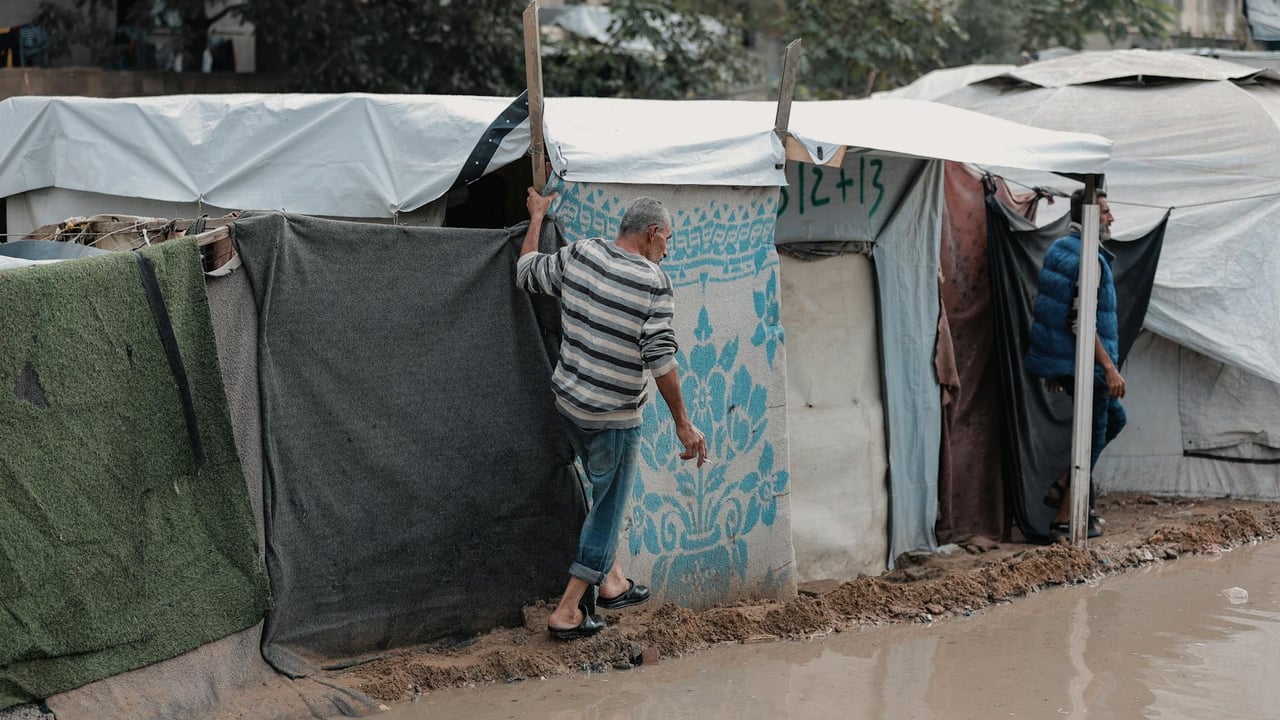

In the arid landscape of the Levant, water is often more precious than gold. A recent report by Médecins Sans Frontières (MSF) suggests that this vital resource has been transformed from a basic human right into a calculated instrument of war. The findings, backed by mounting international evidence, accuse Israeli authorities of systematically depriving Palestinians in Gaza and the West Bank of the infrastructure necessary for survival.
Evidence of this strategy is particularly stark in the West Bank, where the Ain Samiya water pumping station has become a focal point of extremist aggression. Masked attackers have repeatedly breached the facility, destroying pipes and cutting electrical lines that serve over 100,000 residents across 20 communities. These incursions, which have occurred at least ten times this year, represent a growing trend of vigilante violence aimed at rendering Palestinian life unsustainable in contested territories.
The situation in the Gaza Strip is even more catastrophic, with nearly 90% of the enclave's water and sanitation infrastructure currently in ruins. According to the United Nations and the World Bank, the destruction is not merely collateral damage but appears to be a targeted effort to degrade the living conditions of the civilian population. Residents are increasingly forced to rely on contaminated groundwater or dig makeshift latrines in the sand, creating a breeding ground for infectious diseases.
Humanitarian aid organizations face severe bureaucratic and military hurdles when attempting to mitigate the crisis. MSF reports that approximately one-third of their requests for water-related equipment—including desalination units and water tanks—are either rejected or ignored by Israeli authorities. This blockade on essential materials effectively institutionalizes water scarcity, turning a natural shortage into a man-made humanitarian disaster.
The human cost of this policy is measured in more than just thirst. There are harrowing accounts of civilians, including children, being targeted by military fire while waiting in line at aid distribution points. For those on the ground, the struggle for water has shifted from a daily chore to a life-threatening endeavor, highlighting a grim evolution in the tactics of regional control.