

The first quarter of 2026 marks a decisive start to China’s 15th Five-Year Plan, with the nation’s top ten economic hubs demonstrating a robust resurgence. After a period of structural transition, these economic engines are showing that the pivot toward high-tech manufacturing is finally yielding significant dividends. Most notably, nine out of the ten largest cities outperformed the national GDP growth average of 5.0%, signaling a stabilization of the country’s core urban economies.
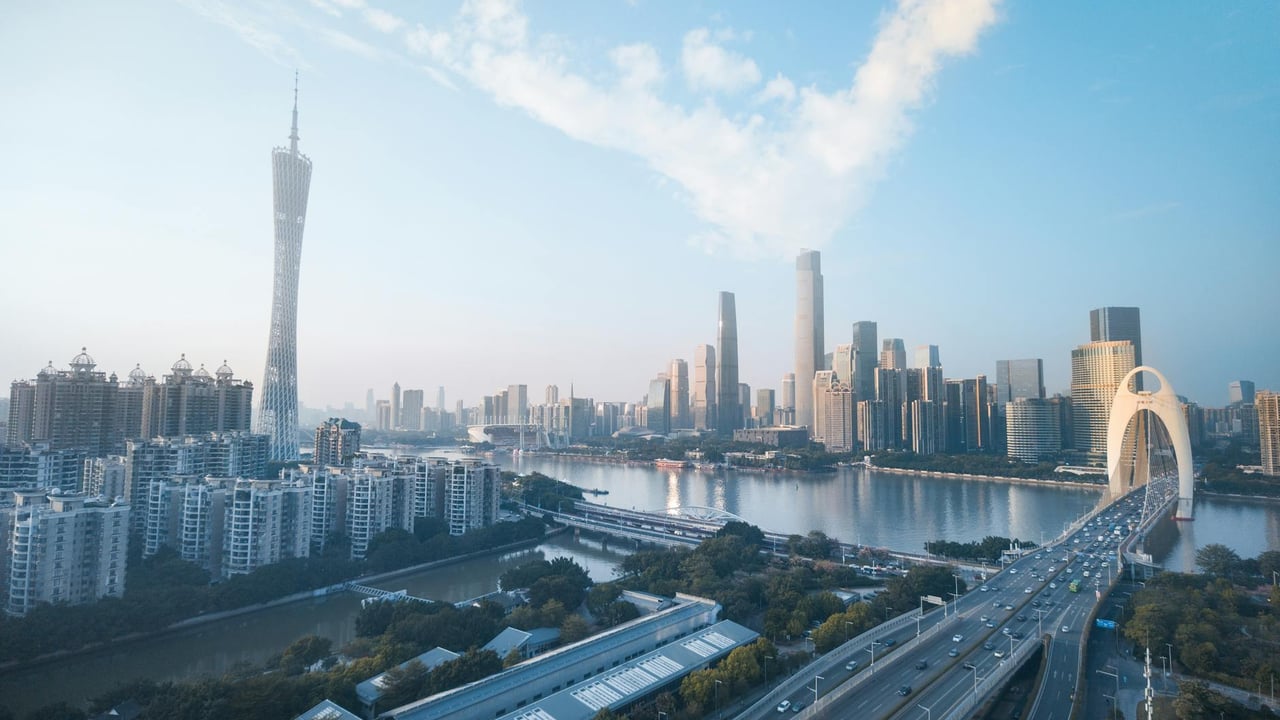
A significant tectonic shift occurred at the top of the leaderboard as Guangzhou reclaimed its position as China’s fourth-largest city economy, overtaking Chongqing. Growing at a brisk 6.0%, Guangzhou’s recovery was fueled by a successful overhaul of its massive automotive sector, which saw a 36.1% surge in new energy vehicle production. This performance marks a dramatic turnaround for the southern metropolis, which had previously struggled with industrial stagnation.
Meanwhile, the elite five-trillion-yuan club—comprised of Beijing and Shanghai—reported synchronized growth of 5.9%. These tier-one cities are no longer relying on debt-fueled infrastructure or real estate, but are instead harvesting the fruits of what policymakers call New Quality Productive Forces. High-end services and advanced electronics have become the primary drivers, insulating these megacities from the volatility seen in more traditional industrial sectors.
Industrial output data reveals a deeper story of technological concentration across the board. Wuhan led the pack with an 11.6% increase in industrial value-added, driven by semiconductor fabrication and a burgeoning drone industry. Shenzhen followed a similar trajectory, with double-digit growth in intelligent sensors and robotics, suggesting that the capacity to integrate artificial intelligence into manufacturing has become the new benchmark for urban competitiveness.
However, the recovery remains uneven when it comes to domestic consumption. While Guangzhou and Shanghai benefited from a revival in the exhibition economy and high-end retail, other cities like Shenzhen and Wuhan saw retail sales growth languish below 1%. This divergence highlights a lingering caution among consumers in manufacturing-heavy hubs, even as the factories themselves return to full capacity.
Ultimately, the first-quarter data suggests that the painful process of bird-changing—swapping low-end industry for high-tech alternatives—is beginning to pay off. For international observers, the performance of these ten cities provides the most reliable barometer for China’s long-term goal of escaping the middle-income trap through innovation-led growth.