
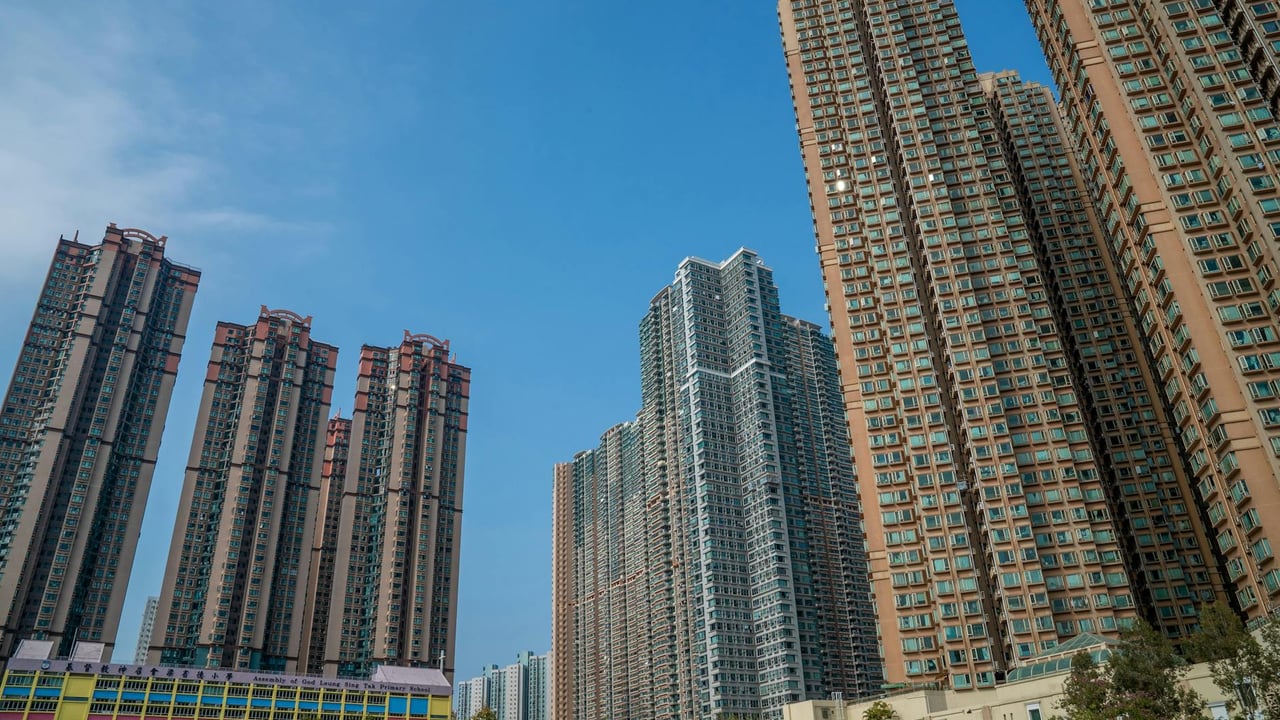

The era of growth at any cost is coming to a painful end for China’s property management sector. Once the darlings of the stock market, these companies are now actively shedding residential projects that have transitioned from assets to liabilities. In cities across the country, residents are receiving notice letters informing them that their service providers are terminating contracts months or even years ahead of schedule.
This withdrawal wave is the predictable outcome of a bursting bubble that long ignored the fundamental economics of service provision. For over a decade, property management in China was treated not as a standalone industry, but as a loss-leader for real estate sales. Developers kept management fees artificially low to attract buyers, creating a price ceiling that is now impossible to raise without triggering fierce homeowner protests.
The financial math has simply stopped working for most firms. While management fees have remained stagnant for over a decade in 80% of Chinese communities, labor costs have surged, with minimum wages rising by nearly 40% in many regions. As buildings constructed during the early 2000s enter their third decade, the cost of maintaining aging elevators and leaking facades is far outstripping the revenue generated from residents.
During the peak of the housing boom, property management companies (PMCs) aggressively expanded their portfolios to inflate valuations for initial public offerings. Investors prioritized the total area under management above all other metrics, driving firms to acquire low-quality projects regardless of their profitability. This scale-first strategy was sustainable only as long as parent developers could subsidize losses with profits from new apartment sales.
That cycle has now broken as the broader property market faces a liquidity crisis. Parent companies that once provided consistent blood transfusions are now struggling to survive, leaving their property management subsidiaries to face the market alone. With average collection rates for management fees plummeting to nearly 70%—and much lower for smaller firms—many PMCs can no longer afford to pay for basic security and sanitation.
The consequences of this retreat are becoming visible in the decay of neglected neighborhoods. Without professional management, residential complexes quickly fall into disrepair, with trash accumulating and security systems failing. While local governments are occasionally forced to step in, they lack the resources to indefinitely subsidize the maintenance of the country's massive stock of aging high-rise housing.