
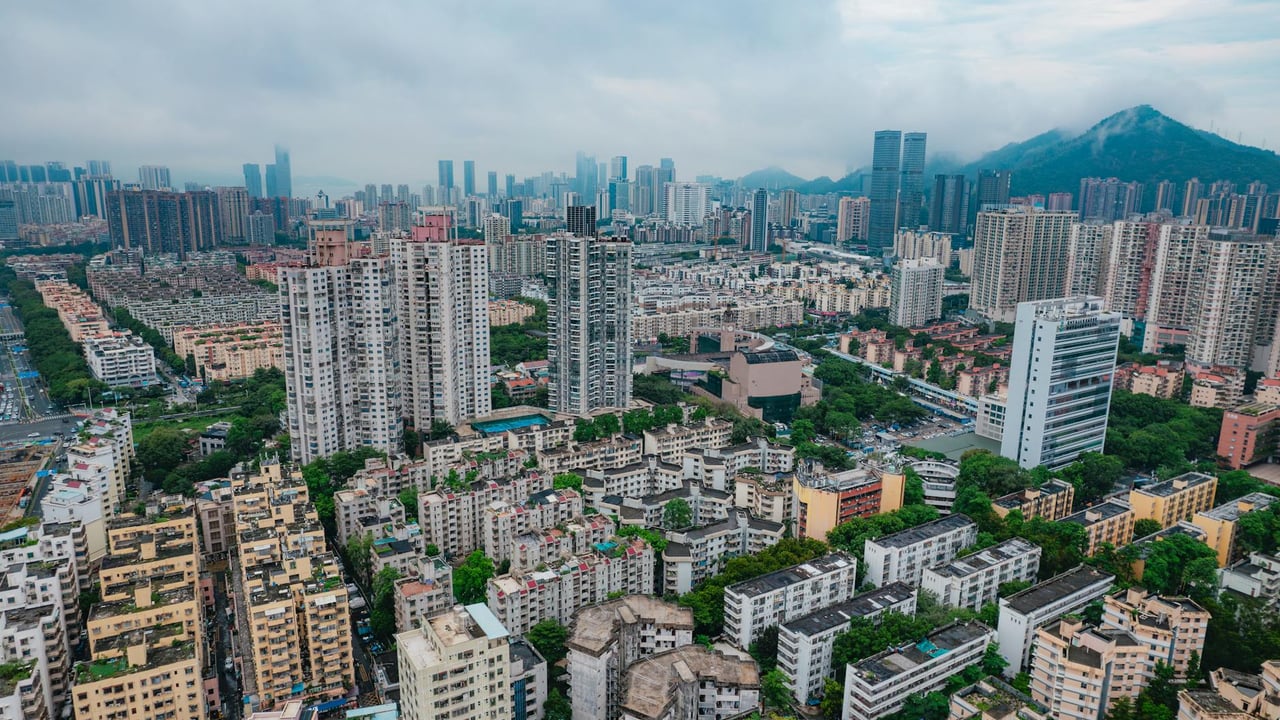

Shenzhen, China’s preeminent technology hub and a perennial bellwether for the national property market, has unleashed a sweeping set of measures to rejuvenate its cooling real estate sector. The municipal government’s latest directive represents a significant retreat from the rigid purchase restrictions that once defined the city's approach to cooling speculation. By easing rules in high-demand core districts like Futian and Nanshan, authorities are signaling a shift toward pragmatism as they seek to stabilize the broader economy.
Under the new framework, the city is effectively lowering the drawbridge for its core urban centers. Local households can now acquire a third property in these premium districts, while non-local residents with social security records are permitted a second. Most notably, the city has removed social security requirements for residence permit holders, allowing them to enter the market immediately. This pivot aims to absorb excess inventory by tapping into the wealth of high-income professionals who have long been sidelined by residency-based quotas.
Beyond mere market stimulation, the policy introduces a novel socio-economic lever: the integration of housing incentives with demographic survival. For the first time, Shenzhen is offering a 50% boost in housing provident fund loan limits specifically for families categorized as 'first marriage, first birth.' By linking mortgage accessibility to marital and reproductive milestones, the city is attempting to tackle the dual crises of a property slump and a plummeting national birth rate.
Financial incentives for multi-child families have also been significantly enhanced, with loan limits potentially rising by up to 70%. When combined with other subsidies, individual loan ceilings can reach 1.89 million yuan, while families may access up to 3.51 million yuan. These aggressive fiscal adjustments are designed to lower the barrier to entry for 'New Shenzheners' and young families, who represent the vital workforce necessary to maintain the city's competitive edge in the global tech race.
Market analysts view these moves as a direct response to the central government’s call to 'stabilize the housing market' amid persistent downward pressure. While Shenzhen saw a brief uptick in transaction volumes and prices in March, the sustainability of this recovery remains precarious. By leading the charge among first-tier cities, Shenzhen is setting a precedent that property policy is no longer just about regulating prices, but about active economic and demographic engineering.