
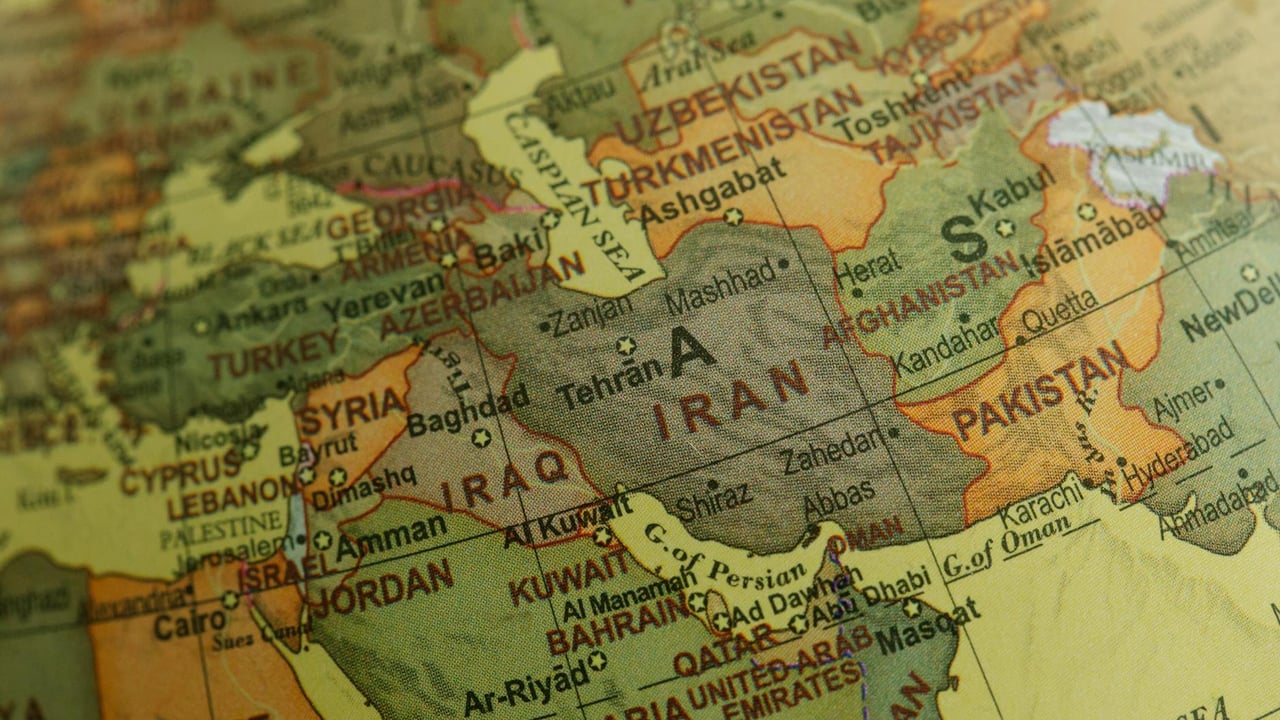

The rhetoric emanating from Tehran suggests that the Islamic Republic is far from ready to embrace a post-conflict settlement. In a series of provocative statements released this week, Iranian Army spokesperson Mohammad Akraminia declared that the nation remains in a formal state of war, dismissing any notions of a de-escalation. This stance is bolstered by a nationwide deployment of ground forces, a move intended to signal domestic resilience and external readiness to the international community.
This hardening of the Iranian position follows pointed assessments from Washington. U.S. Secretary of State Marco Rubio recently noted that despite sustained military pressure, Tehran has managed to retain approximately half of its pre-war missile inventory. While this indicates a significant degradation of Iranian capabilities, it also highlights a persistent 'fleet-in-being' threat that continues to complicate Western and regional strategic calculations in the Middle East.
Tehran is actively attempting to pivot from a defensive crouch to a proactive deterrent posture. According to Akraminia, the Iranian military has finalized a comprehensive update of its 'target lists' and combat equipment, suggesting that the pause in major kinetic actions has been used to recalibrate for a second phase of hostilities. By framing the current lull as merely a tactical interval rather than a conclusion, the military leadership is signaling to both its proxies and its adversaries that its strategic objectives remain unchanged.
For a global audience, these developments underscore the fragility of any current ceasefire or containment strategy. The insistence that the war is 'not over' serves a dual purpose: it justifies the regime’s continued internal tightening of control and warns regional rivals that Iran’s conventional and asymmetric reach, though battered, remains operational. As long as Tehran views the status quo as an active battlefield, the path toward regional stabilization remains fraught with the risk of sudden re-escalation.