China’s Uneven Recovery: Manufacturing Holds the Line as Services Slip into Contraction

China's manufacturing sector stayed in expansionary territory at 50.3% in April, driven by high-tech industries, while the non-manufacturing sector fell into contraction at 49.4%. The data highlights a 'two-speed' economy where industrial output remains robust but domestic consumption and the construction sector continue to struggle.

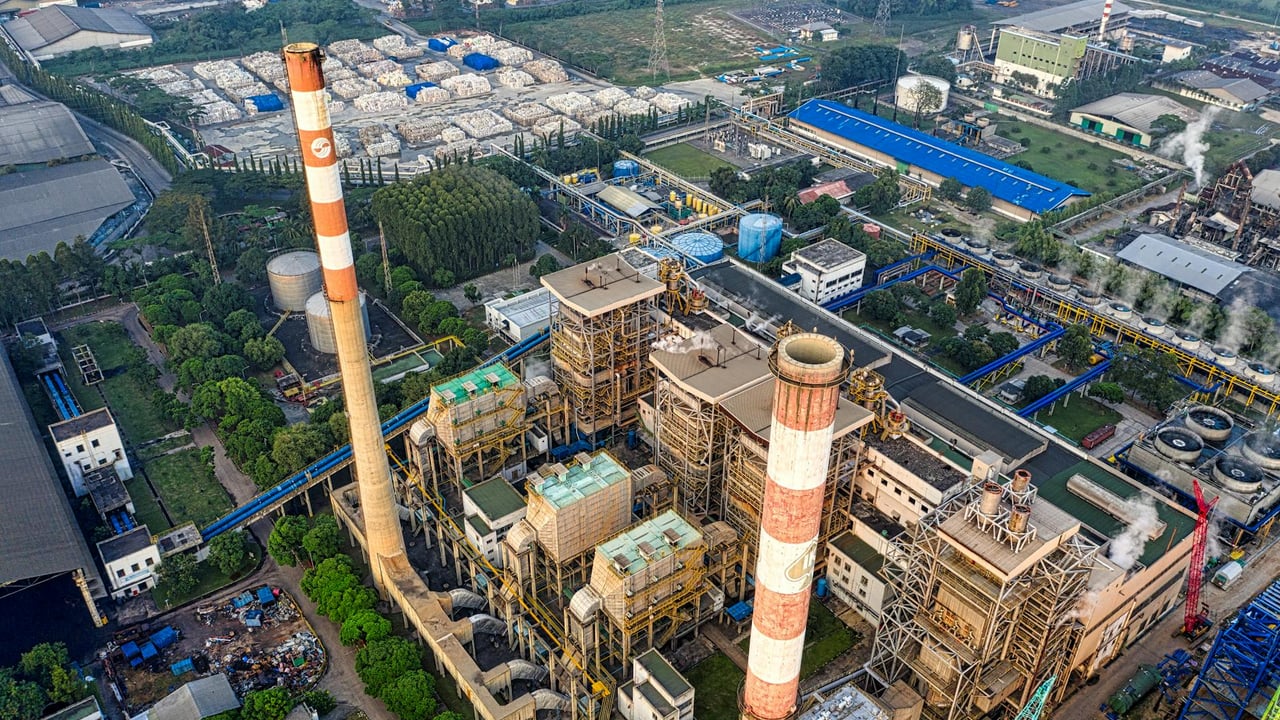
Bird's-eye view of a sprawling industrial plant in Serang, showcasing smokestacks and facilities.

Key Takeaways

  • 1Manufacturing PMI for April was 50.3%, staying above the expansion threshold for the second month in a row.
  • 2Non-manufacturing PMI fell to 49.4%, driven by a contraction in the construction sector (48.0%) and weak retail activity.
  • 3High-tech and equipment manufacturing sectors significantly outperformed the broader economy, indicating successful industrial upgrading.
  • 4Raw material input prices surged to 63.7%, marking a recent high and threatening downstream profitability.
  • 5Business expectations for future production rose to 54.5%, showing persistent optimism among manufacturers.

Editor's
Desk

Strategic Analysis

The April PMI data illustrates the emergence of a 'Two-Speed Economy' in China. Beijing has successfully engineered a supply-side recovery by funneling credit and policy support into high-end manufacturing and the 'New Three' industries (EVs, batteries, and renewables). However, this industrial vigor is increasingly decoupled from domestic demand. The contraction in services and the continued slump in construction suggest that the 'property-to-consumption' transmission mechanism is broken. Without a significant rebound in household spending or a stabilization of the housing market, China risks an overreliance on exports to absorb its growing industrial capacity, a trend that is already heightening trade friction with the United States and the European Union. The divergence between rising input costs and falling sales prices in some sectors further hints at a deflationary environment for finished goods, which could lead to a 'hollow' expansion where volume is high but margins are razor-thin.

China Daily Brief Editorial
Strategic Insight
China Daily Brief

China’s post-pandemic economic trajectory continues to show signs of internal friction as newly released data for April reveals a divergent recovery. While the manufacturing sector managed to stay in expansionary territory for a second consecutive month, the broader economic picture is clouded by a sudden downturn in the non-manufacturing sector, particularly in services and construction. This mixed performance underscores the challenges Beijing faces in balancing its industrial ambitions with a sluggish domestic consumer base.

The official manufacturing Purchasing Managers’ Index (PMI) came in at 50.3% for April, a marginal 0.1 percentage point dip from March but critically staying above the 50-point threshold that separates growth from contraction. High-tech manufacturing and equipment manufacturing remained the primary engines of this stability, posting readings of 52.2% and 51.8%, respectively. These figures suggest that the government’s strategic push toward 'new productive forces'—advanced industrial sectors like EVs and aerospace—is successfully sustaining factory output.

However, the non-manufacturing sector presented a more sobering narrative, falling to 49.4% and sliding into contraction. The construction sector, a traditional pillar of Chinese growth, dropped to 48.0%, indicating that the long-standing real estate crisis continues to stifle physical investment. Similarly, market activity in wholesale, retail, and household services remained weak, reflecting a Chinese consumer who remains cautious despite various government efforts to stimulate domestic spending.

Adding a layer of complexity to this landscape is the sharp rise in price indices. The main raw materials purchase price index reached a multi-year high of 63.7%, signaling significant inflationary pressure on the input side that could eventually squeeze corporate profit margins if not passed on to consumers. Despite these headwinds, the business activity expectation index for manufacturing rose to 54.5%, suggesting that enterprise confidence in a mid-term turnaround remains resilient even as current demand fluctuates.

Share Article

Related Articles

📰
No related articles found