
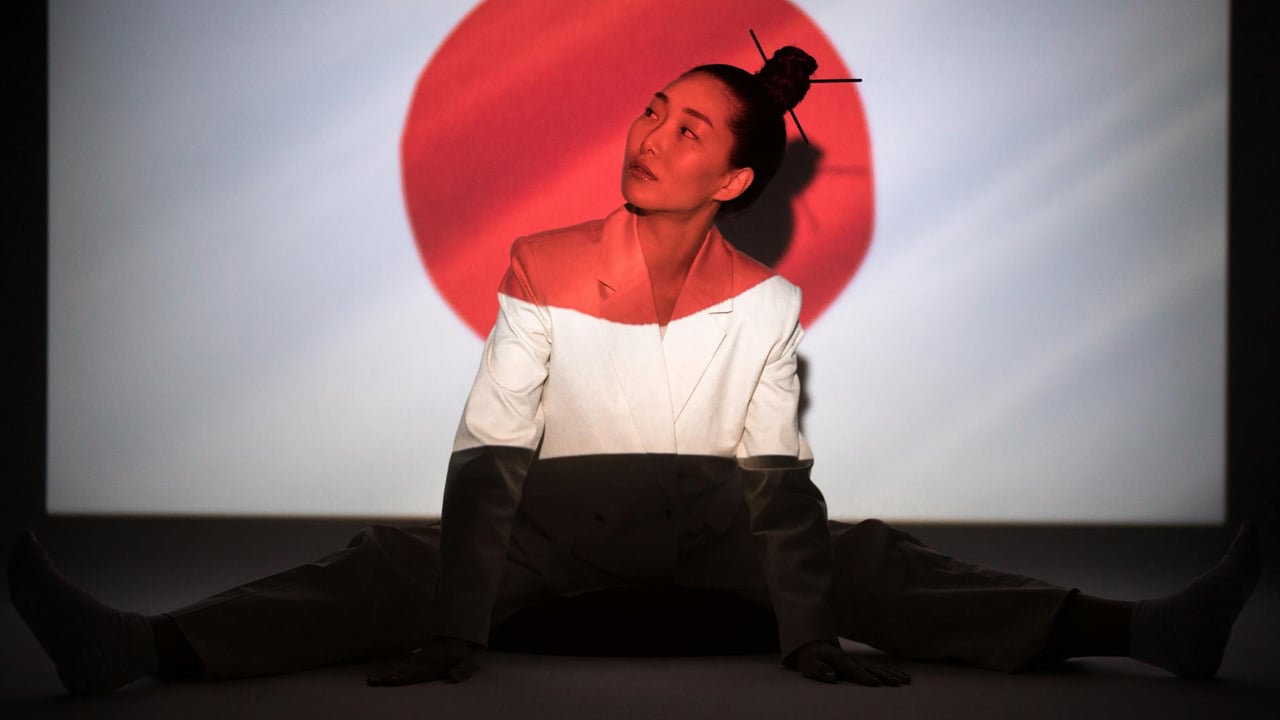

Japan is currently undergoing its most significant institutional transformation of the security state since the end of the Second World War. Under the administration of Prime Minister Sanae Takaichi, the Diet is moving to consolidate previously fragmented intelligence services into a unified National Intelligence Agency. This centralization aims to place unprecedented power directly under the Prime Minister’s Office, mirroring the structure of the American CIA.
Parallel to this intelligence overhaul, the government has secured a legislative victory to rename the Air Self-Defense Force to the Air and Space Self-Defense Force. This change is more than cosmetic; it signals a deep integration of satellite reconnaissance and orbital capabilities with traditional air combat systems. Observers suggest this move allows Japan to project power into the ultimate high ground, potentially enabling offensive target acquisition and guided combat operations.
Critics at home and abroad are sounding alarms over what they describe as a slide toward a pre-war system. Opponents of the new intelligence bill fear the erosion of civil liberties and the possibility of a return to state-sanctioned surveillance of Japanese citizens. Meanwhile, regional neighbors, particularly China and Russia, view these developments as a definitive break from Japan’s long-standing pacifist constitution.
The timing of these reforms is particularly sensitive, coinciding with the 80th anniversary of the Tokyo Trials. For many in East Asia, the legislative push is seen not as a modernization effort, but as a revival of neo-militarism. As Tokyo expands its defense budget and loosens arms export restrictions, the shadow of its 20th-century history looms larger over its 21st-century strategic ambitions.