Trump’s Maritime Siege: The High-Stakes Gamble of a Naval Blockade on Iran

President Trump is utilizing a naval blockade to force Iran into a new nuclear agreement, rejecting a phased peace proposal in favor of total economic isolation. The strategy has brought the two nations to the brink of military confrontation, with both sides signaling readiness for escalation in the Strait of Hormuz.

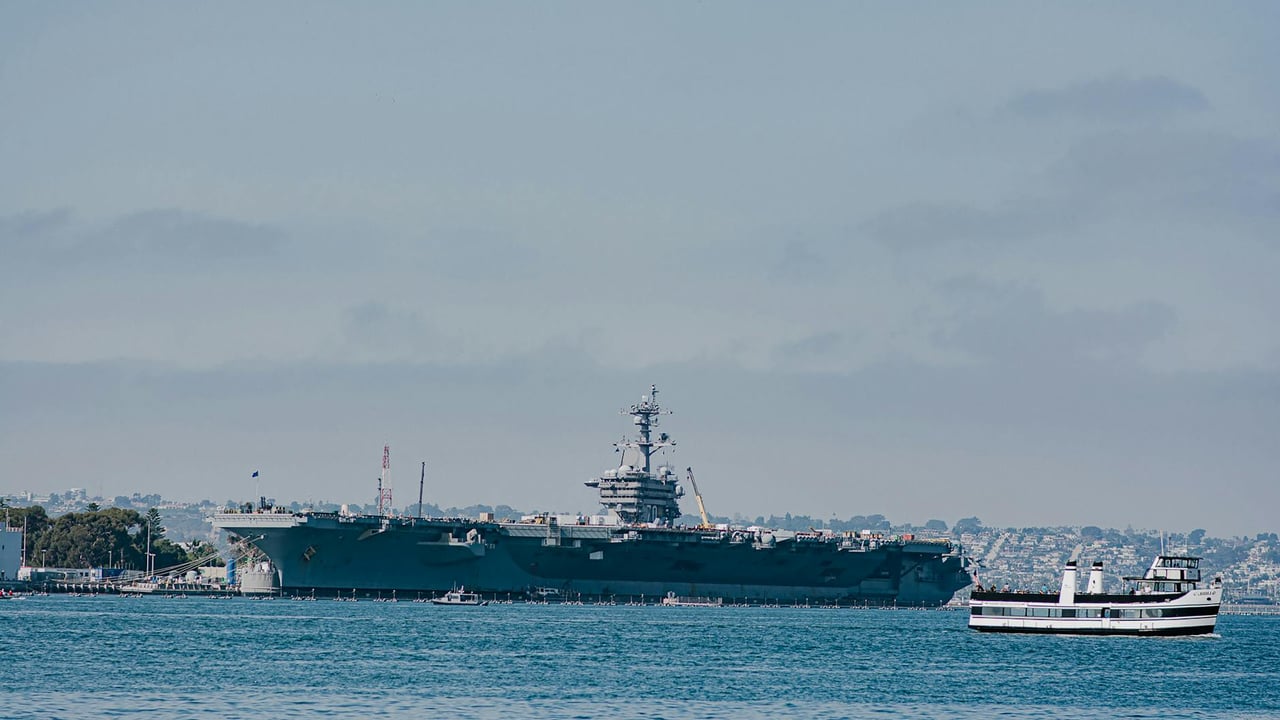
USS Carl Vinson aircraft carrier docked in San Diego harbor with a ferry in view.

Key Takeaways

  • 1President Trump prefers a naval blockade over bombing, citing it as a more effective way to force a diplomatic surrender.
  • 2The U.S. has rejected a Pakistan-mediated three-stage proposal because it did not prioritize the nuclear issue.
  • 3Iran’s domestic oil infrastructure is nearing a collapse point due to the total cessation of maritime exports.
  • 4U.S. Central Command has prepared plans for 'short and sharp' military strikes if the blockade fails to produce concessions.
  • 5Tehran has threatened 'unprecedented military action' in response to what it characterizes as American maritime piracy.

Editor's
Desk

Strategic Analysis

The shift from economic sanctions to an active naval blockade marks a transition from diplomatic coercion to a de facto act of war under international law. By betting on the 'efficiency' of a blockade, the Trump administration is testing the resilience of the Iranian regime against the volatility of global energy markets. This strategy carries a high risk of miscalculation; as Iran’s internal pressure builds, the regime may feel it has more to gain from a localized military flare-up than from a slow collapse. The rejection of the Pakistani-mediated deal suggests that the White House is no longer interested in incrementalism, seeking instead a total 'grand bargain' or a complete breaking of the Iranian state’s will.

China Daily Brief Editorial
Strategic Insight
China Daily Brief

In a significant escalation of his 'maximum pressure' campaign, President Donald Trump has reaffirmed his commitment to a maritime blockade of Iran, signaling a preference for economic strangulation over immediate kinetic warfare. Speaking in a recent interview, Trump characterized the naval encirclement as a more effective tool than aerial bombardment, suggesting that the mounting internal pressure within Iran will eventually force Tehran to accept a comprehensive nuclear deal on Washington's terms.

The blockade has reportedly pushed Iran’s energy infrastructure to a breaking point, with oil storage facilities and pipelines reaching critical capacity as exports remain frozen. By cutting off the regime’s primary revenue stream at the source, the administration believes it has secured a decisive lever of influence. Trump has explicitly stated that the blockade will remain in place until Iran addresses all American concerns regarding its nuclear ambitions, effectively rejecting any middle ground.

This hardening stance comes alongside the rejection of a new, three-stage negotiation framework proposed by Tehran and mediated through Islamabad. The Iranian plan sought to de-escalate tensions by first addressing the cessation of hostilities and maritime security in the Strait of Hormuz before finally turning to the nuclear issue in a third phase. The White House, however, viewed this as a stalling tactic, insisting that the nuclear program must be the immediate and central focus of any dialogue.

While the President emphasizes the 'efficiency' of the blockade, the specter of military conflict looms large in the background. U.S. Central Command has reportedly finalized a contingency plan for a 'short and sharp' strike against Iranian assets should the stalemate continue. Tehran, meanwhile, has labeled the blockade an act of 'piracy' and warned of an 'unprecedented military response' if its maritime sovereignty continues to be challenged in the Persian Gulf.

Share Article

Related Articles

📰
No related articles found