Beyond the Horizon: The USS Gerald R. Ford Ends Its Middle East Vigil

The USS Gerald R. Ford is preparing to depart the Middle East after a deployment focused on regional stabilization and deterrence. Expected to reach Virginia by mid-May, the carrier's exit marks a transition in U.S. maritime posture and highlights the complexities of global power projection.

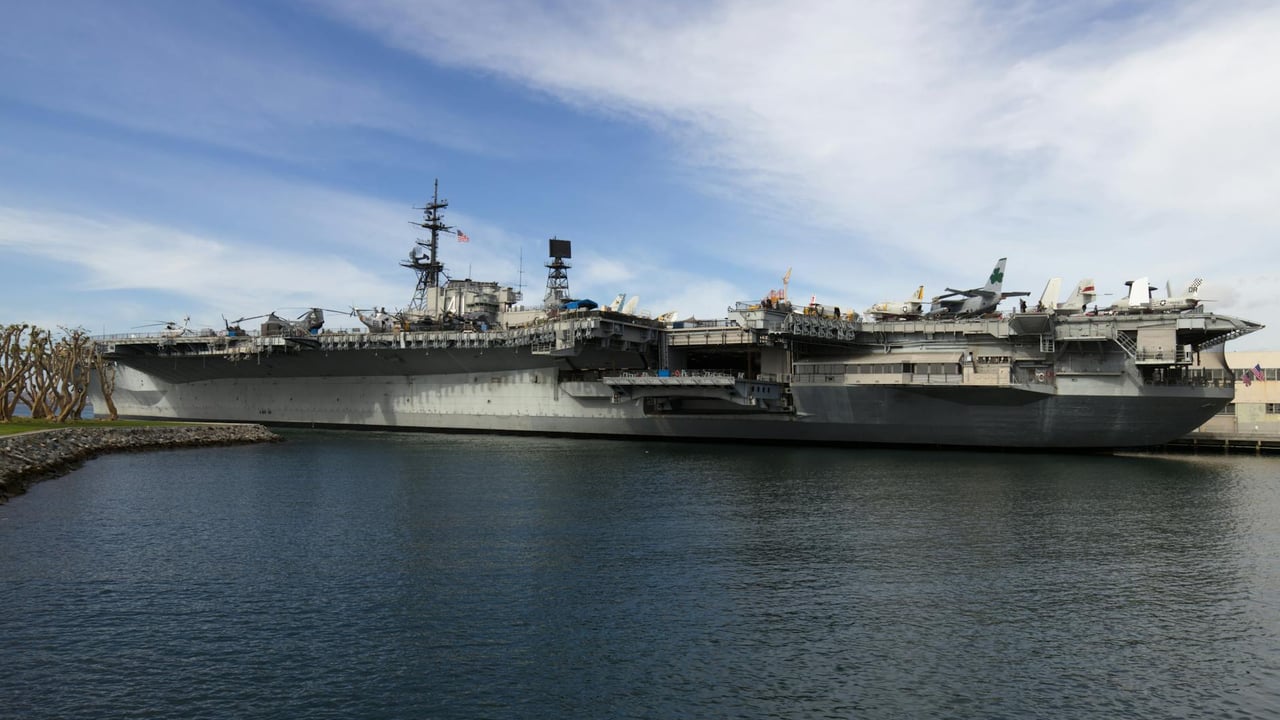
USS Midway aircraft carrier docked in San Diego Harbor, showcasing naval history.

Key Takeaways

  • 1The USS Gerald R. Ford carrier strike group is scheduled to leave the Middle East and return to the United States.
  • 2Official reports indicate the carrier is expected to arrive at its homeport in Virginia by mid-May 2026.
  • 3The departure suggests a recalibration of U.S. naval assets in response to current Middle Eastern security assessments.
  • 4The transition highlights the ongoing challenge of maintaining a continuous carrier presence while managing fleet maintenance schedules.

Editor's
Desk

Strategic Analysis

The return of the USS Gerald R. Ford highlights the inherent 'carrier gap' that often complicates U.S. global strategy. While the Ford's presence acted as a stabilizing force in the Middle East, its departure exposes the thin margins on which the U.S. Navy operates. With persistent tensions in the Indo-Pacific and elsewhere, the Pentagon must decide whether to rotate another carrier into the region or rely on more distributed maritime assets. This move likely reflects a prioritization of fleet readiness over continuous theater presence, suggesting that Washington is betting on its ability to surge forces back into the Middle East if conditions deteriorate, rather than maintaining a permanent, costly picket line.

China Daily Brief Editorial
Strategic Insight
China Daily Brief

The departure of the USS Gerald R. Ford (CVN 78) from the Middle East marks a significant recalibration of American naval presence in one of the world’s most volatile corridors. After months of serving as a primary deterrent against regional escalation, the world’s most technologically advanced aircraft carrier is slated to return to its homeport in Virginia by mid-May.

This transition comes at a delicate moment for the Pentagon as it balances the immediate demands of Middle Eastern security with the long-term necessity of fleet maintenance and modernization. The Ford, which represents a massive leap in naval power projection, has been a central fixture in the U.S. strategy to prevent localized conflicts from spiraling into broader regional wars.

While the specific timing of the departure remains fluid, the move indicates a confidence among U.S. officials that current deterrent levels are sufficient to maintain the status quo. However, the vacuum left by such a formidable platform often prompts questions about the sustainability of America’s "over-the-horizon" capabilities and the potential for rivals to test the limits of Western resolve.

As the carrier group navigates back across the Atlantic, the focus shifts to the broader U.S. naval rotation strategy. Maintaining a persistent carrier presence requires a grueling cycle of deployment, maintenance, and training that tests both hardware and human endurance. The Ford's return is not merely a logistical milestone but a necessary pause for the Navy's premier strike platform to reset for future global challenges.

Share Article

Related Articles

📰
No related articles found