
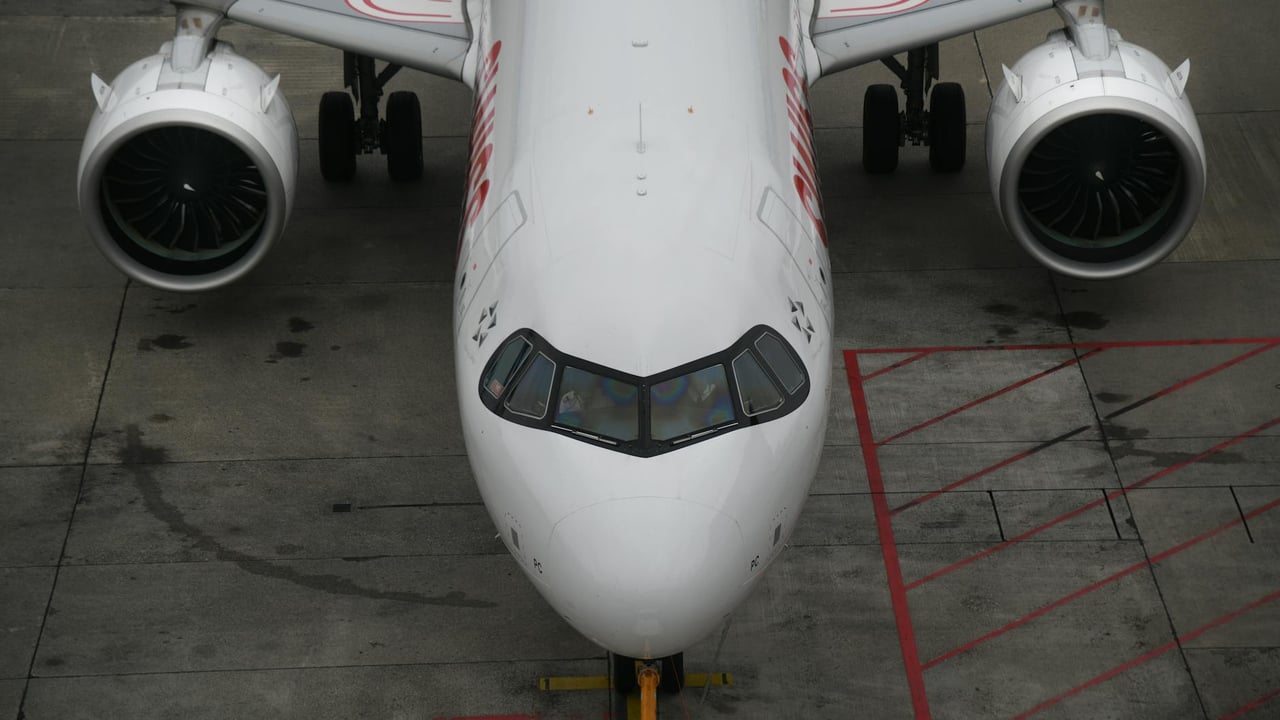

The Commercial Aircraft Corporation of China (COMAC) has announced that its C909 regional jet has officially surpassed one million cumulative flight hours. This milestone marks a significant moment of maturity for the aircraft, which was recently rebranded from its original designation, the ARJ21, to better align with China’s broader commercial aviation family. The achievement serves as a testament to the aircraft's reliability and its growing role within the world’s second-largest aviation market.
The transition to the C909 name was a tactical rebranding effort intended to bring the regional jet into the same lineage as the narrow-body C919 and the upcoming wide-body C929. By creating a unified 'C-series' portfolio, Beijing is signaling its intent to offer a comprehensive fleet that can compete with the established regional and mainline offerings from Western giants like Airbus, Boeing, and Embraer. This million-hour milestone provides the empirical data needed to reassure international buyers of the platform’s safety and durability.
Since entering commercial service, the aircraft has become a staple for regional connectivity across China’s vast geography, proving its capability in varied environments from humid coastal hubs to high-altitude western provinces. Beyond domestic borders, the C909 has already made its international debut with operators such as Indonesia’s TransNusa, marking the first steps in China’s plan to export its aerospace technology to emerging markets. The accumulated flight data is invaluable for COMAC as it refines maintenance protocols and future design iterations.
While the C909 still relies on a global supply chain for critical components such as engines and avionics, the million-hour mark suggests that the airframe itself has moved past the 'infant mortality' phase of its lifecycle. This success provides a psychological and technical boost to China’s aerospace ambitions. As the C909 cements its reputation for dependability, it paves the way for the larger C919 to scale up production and challenge the global duopoly in the narrow-body segment.