
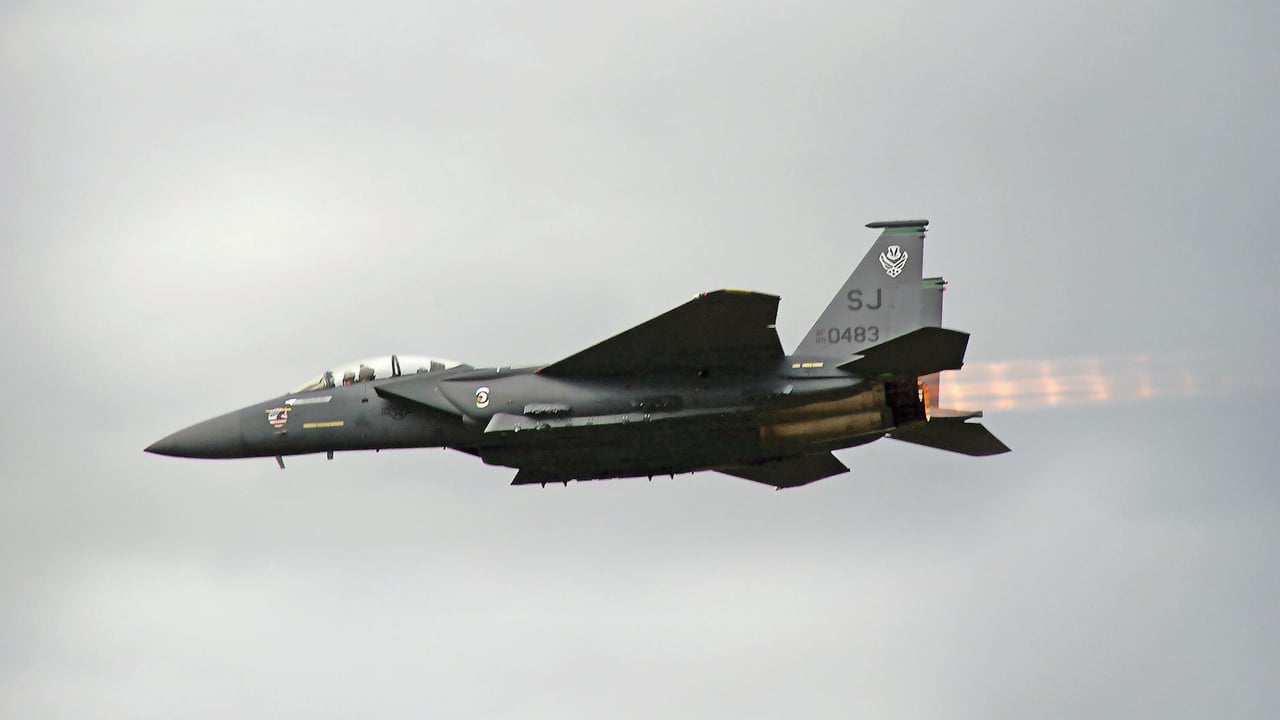

The skies over the East China Sea have become a theater for high-stakes psychological warfare. A Chinese J-15 fighter pilot’s recent radio warning to Japanese military aircraft—"Every turn you make is within range of my missiles"—marks a sharp escalation in the rhetoric used during aerial intercepts. This verbal confrontation, publicized by state-affiliated media, signals Beijing's growing confidence in its carrier-borne aviation capabilities.
The J-15 "Flying Shark," the backbone of China's nascent carrier fleet, is no longer merely a symbol of prestige but a frontline tool for asserting territorial claims. These encounters typically occur near the disputed Senkaku (Diaoyu) Islands, where Japan’s Air Self-Defense Force frequently scrambles jets to monitor Chinese activity. The shift from standard professional signals to explicit threats reflects a broader strategic directive to challenge the status quo in the First Island Chain.
Military analysts suggest that such aggressive communication is designed for both international and domestic consumption. By broadcasting these interactions, the People's Liberation Army (PLA) reinforces a narrative of national strength and unwavering resolve to its domestic audience. Internationally, it serves as a deterrent, warning regional neighbors that the cost of proximity to Chinese naval operations is rising rapidly.
However, this bravado carries significant risks of tactical miscalculation. In the high-stress environment of an aerial intercept, aggressive posturing can easily lead to accidental collisions or unintended engagements. As the PLA Navy expands its blue-water footprint, the frequency of these "close-in" encounters is likely to increase, placing a heavy burden on established deconfliction protocols that appear increasingly ignored.